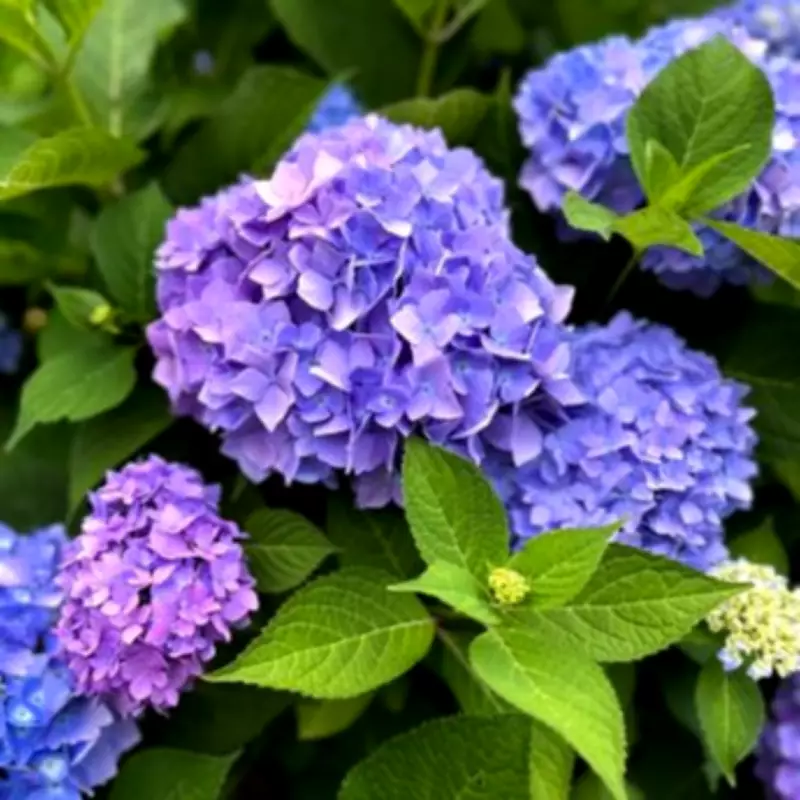
Spring is the perfect season to prepare your garden for a vibrant and bountiful blooming period, and for hydrangea enthusiasts, now is the critical time to take action. A gardening expert has revealed a crucial technique that promises bigger hydrangea flowers next year, but he cautions that one common error could completely spoil your floral display.
The Importance of Timing in Hydrangea Pruning
Hydrangea owners are being strongly advised to perform a key task immediately to encourage larger blooms in the coming year. However, it is essential to proceed with care, as improper pruning methods might destroy next year's flowers before they even have a chance to develop. You should aim to prune your hydrangeas either in early spring or late winter for optimal results.
Understanding Old Wood and Flower Growth
Gardening specialist Michael Griffiths has highlighted a vital piece of advice that all gardeners must know when tending to hydrangeas. In a recent TikTok video, he explained that certain hydrangea varieties, such as Hydrangea macrophylla, which includes mophead and lacecap types, produce next year's flowers on "old wood." This means the buds for future blooms are already present on the plant from the previous growing season.

If you prune these hydrangeas too aggressively or at the wrong time, you risk cutting off next year's flowers entirely, Griffiths warned in the video's caption. He emphasized that pruning hydrangeas doesn't have to be intimidating, but understanding this one key fact is essential for success.
Step-by-Step Pruning Guide for Bigger Blooms
When dealing with macrophylla and oak leaf hydrangeas, focus on removing any faded flowers that remain on the plant. Griffiths recommends snipping the stems just above a healthy pair of buds to promote new growth. Additionally, eliminate one or two older stems at the base of the plant to redirect energy towards newer, healthier stems.
This strategic pruning stimulates the development of new buds and encourages them to blossom into larger flowers. By removing older stems, you also create valuable space for fresh stems to emerge within the existing plant area, fostering a more robust and floriferous hydrangea.
Avoiding Common Pruning Mistakes
While pruning, it is also important to remove any dead, damaged, or weak stems to maintain plant health. Essentially, you should approach hydrangea pruning with a gentle touch, aiming for a "gentle tidy" rather than harsh cutting. Rough or excessive chopping can lead to the loss of next year's flowers before they even begin to bloom.
The Royal Horticultural Society offers further guidance, suggesting that if you notice any frost damage on the plant in spring, prune back affected shoots to just above the first undamaged pair of buds on healthy wood. This careful approach ensures that your hydrangeas recover well and produce stunning, bigger flowers in the upcoming season.