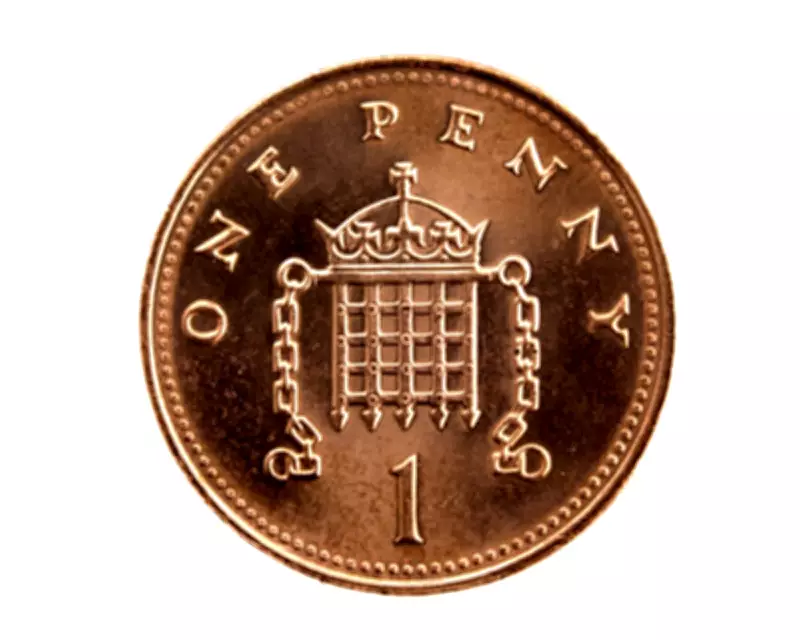
When a houseplant appears yellowed or drooping, well-meaning advice often circulates, suggesting that placing a penny in the soil can revive it. This long-standing tip, akin to family folklore, promises that copper from the coin will leach into the earth, acting as a mini-fertiliser and mild fungicide to liven up the plant and ward off fungi. However, scientific testing and expert analysis reveal that this method is largely ineffective, offering no substantial benefits for plant health.
The Problem with Penny-Based Plant Care
Many gardeners encounter the suggestion to insert a penny into a plant pot, especially when foliage shows signs of distress like yellowing or wilting. The theory hinges on copper's known properties in agriculture, where it can serve as a nutrient and antifungal agent. Yet, this hack persists more as an old wives' tale than a proven technique, passed down through generations without rigorous validation.
How the Hack Supposedly Works
The process is straightforward: simply press pennies into the top layer of soil and water the plant as usual. Advocates claim that chemistry will take over, with copper slowly dissolving to nourish the plant and combat fungal issues. However, this method lacks precision, with no control over the amount of metal released or its distribution in the soil, making it an unreliable approach to plant care.

Testing the Penny Method
To evaluate this claim, an experiment was conducted where pennies were buried in two plant pots, while control plants received standard fertiliser feeds. Over several months, the penny-treated pots showed no noticeable improvement in plant health compared to their counterparts. The only visible change was a greenish corrosion on the coins themselves, indicating minimal copper leaching. Any positive changes in the plants were attributed to factors like light, water, and photosynthesis, not the presence of loose change.
The Verdict on Using Pennies for Plants
Ultimately, placing a penny in a plant pot is unlikely to cause harm, but it also fails to provide any meaningful nutritional boost. Modern pennies contain very little copper, and even older coins corrode too slowly to act as an effective fertiliser. For optimal plant growth, experts recommend saving pennies for a piggy bank and investing in a balanced, proper fertiliser instead. This ensures plants receive the essential nutrients they need without relying on unproven myths.
While houseplant hacks can be tempting for their simplicity, this one falls short. Gardeners are better off focusing on proven methods, such as using Leca balls for drainage or tailored fertilisers, to maintain healthy, thriving plants. By debunking such tales, we can promote more effective and science-based gardening practices.