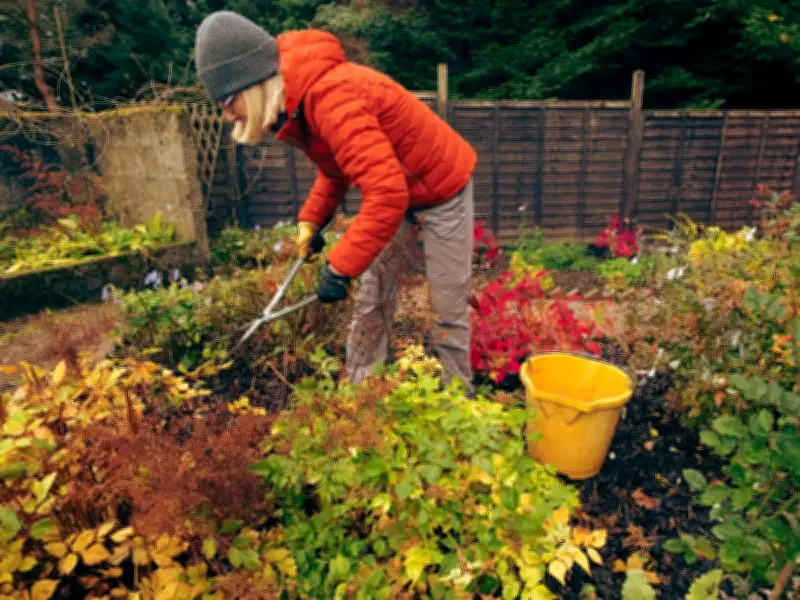
Temperatures are forecast to fall below zero in parts of the UK, and while people can wrap up in blankets and warm clothing, plants need protection. An expert has shared several recommendations to help safeguard gardens until spring.
Certain plant varieties may struggle to survive the winter months. Well-established specimens can withstand the cold, but delicate varieties, recently planted shrubs, and particularly anything cultivated in a container are all vulnerable to adverse effects.
Protecting container-grown plants
Pim Dickson, Senior Horticulturist at plant and seed supplier Fothergill's, says there is a way to protect those growing in pots by addressing the root cause. "Container-grown plants are often more vulnerable to frost than those planted directly into the ground because their roots have less insulation from the surrounding soil," he explains.
He recommends moving them wherever practical. For smaller containers, this means repositioning to sheltered locations such as beside a house wall, within a greenhouse, or on a porch. For larger containers, he recommends wrapping the pot's exterior in hessian or straw to insulate the roots effectively.
Drainage and fleece tips
As an added precaution, ensure the drainage holes remain clear, as waterlogged compost can heighten the risk of root damage once the cold truly sets in. Allowing water to drain freely is the most effective way to combat this.
Dickson also advises covering vulnerable plants before temperatures plummet. "One of the simplest ways to protect tender plants is to use horticultural fleece," he explains, noting that it creates an insulating layer that effectively shields plants from cold winds and frost. Should you not have any fleece to hand, an old lightweight bedsheet or similar breathable fabric will suffice for overnight protection - just be sure to avoid placing plastic sheeting directly against foliage, as this can trap moisture.
Where conditions permit, coverings should be removed during daylight hours and replaced each evening as temperatures drop.
Mulch and post-frost care
A further piece of advice is to protect the roots by applying a layer of organic mulch - such as well-rotted garden compost or leaf mould - around the base of any vulnerable plants. This helps to reduce fluctuations in soil temperature, keeping the roots insulated. When carrying out this task, focus particularly on young shrubs and herbaceous perennials.
Finally, he advises resisting the temptation to clear up too quickly, even if plants appear wilted, brown or blackened following a frost. "Frost damage can look dramatic, but the foliage may be affected while the roots and lower stems remain healthy," he explains. He suggests leaving some damaged foliage where it is, as it can provide some protection against additional cold weather. Then, once the harshest cold has subsided, begin assessing the plant and determine what needs to be cut back.