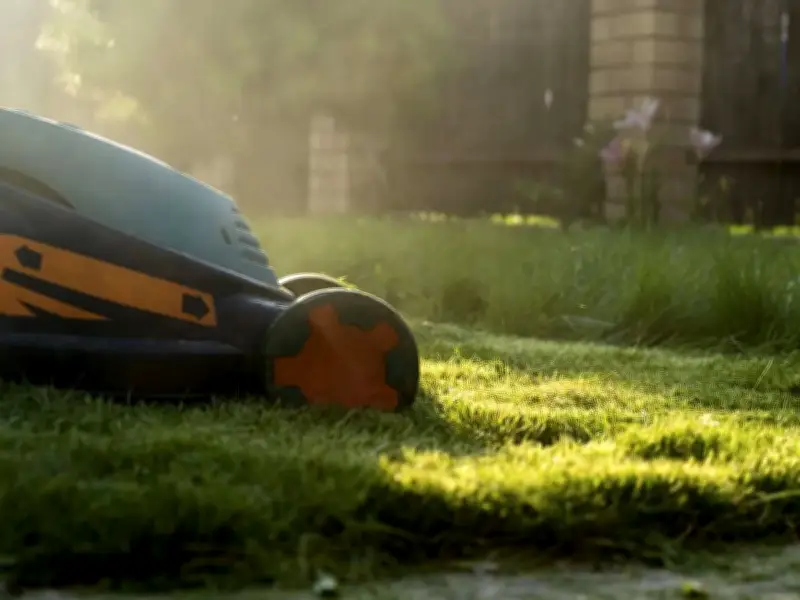
Garden experts recommend giving your lawn one final substantial trim in mid-to-late November before the first frost arrives, to help it survive the winter months and avoid the need for frequent mowing afterwards.
Grass can struggle with plummeting temperatures, and although frost does not usually cause significant damage to lawns, treading on frozen grass can snap the blades. Prolonged moisture or snow can also lead to snow mould developing on lawns, which appears as white patches once the snow thaws.
When to Stop Mowing
Emily Green, home and garden expert at Howarth Timber, advises that giving your grass a last cut before the initial frost will help preserve its health throughout winter. Grass typically keeps growing through autumn while temperatures remain above approximately 5°C to 7°C and there is sufficient daylight, but growth usually ceases once temperatures fall further.
Guy Jenkins, lawn expert at Johnsons Lawn Seed, echoed similar advice on when to stop mowing. He said: "With most lawns, you can expect to stop mowing around late October to the middle of November, when the temperature begins to drop. However, the tell-tale sign is with the lawn itself - if the grass stops growing between cuts, it's time to stop and put the mower away."
Clearing Debris and Improving Drainage
Green also highlights the importance of using a scrubber to clear away moss and debris, allowing the grass to breathe more effectively. A spring-tine rake or mechanical scarifier can be used to remove further debris and open up the soil, improving airflow.
During autumn, before winter sets in, this gives the lawn a chance to recuperate while reducing the buildup of debris that can trap moisture and promote snow mould development throughout the season.
Reseeding and Watering Advice
Additional November lawn care methods include aerating the soil with a garden fork or lawn aerator to improve drainage before and during the heavy rainfall season, with holes spaced approximately 15cm apart. Given the milder autumn temperatures, it is also an ideal time to reseed thinning patches, allowing grass ample time to germinate and establish strong roots before spring.
Regarding watering, Green advises that adding extra water can cause harm, so it is better to rely on natural rainfall. Additional watering can leave the soil waterlogged and starve the roots, increasing the risk of fungal disease and decay.