Garden experts are advising homeowners to give their lawns one final substantial cut before the first frost arrives, as part of preparing grass for the winter months. The advice comes as temperatures begin to drop and grass growth starts to slow.
Why a final mow matters
Emily Green, home and garden expert at Howarth Timber, recommends giving grass one last mow before the first bout of frosty weather. This helps preserve the lawn's health over winter and avoids the need for frequent mowing after this point. The best time for this final cut is mid- to late November.
Grass generally continues to grow through autumn as long as temperatures stay above roughly 5°C to 7°C and there is sufficient daylight. Once temperatures fall, growth tends to stop.
When to stop mowing
Guy Jenkins, lawn expert at Johnsons Lawn Seed, echoed similar advice on when to put the mower away. He said: "With most lawns, you can expect to stop mowing around late October to the middle of November, when the temperature begins to drop. However, the tell-tale sign is with the lawn itself - if the grass stops growing between cuts, it's time to stop and put the mower away."
Walking on frozen grass can snap the blades, and prolonged moisture or snow can lead to snow mould, which appears as white patches once the snow thaws.
Clearing debris and improving drainage
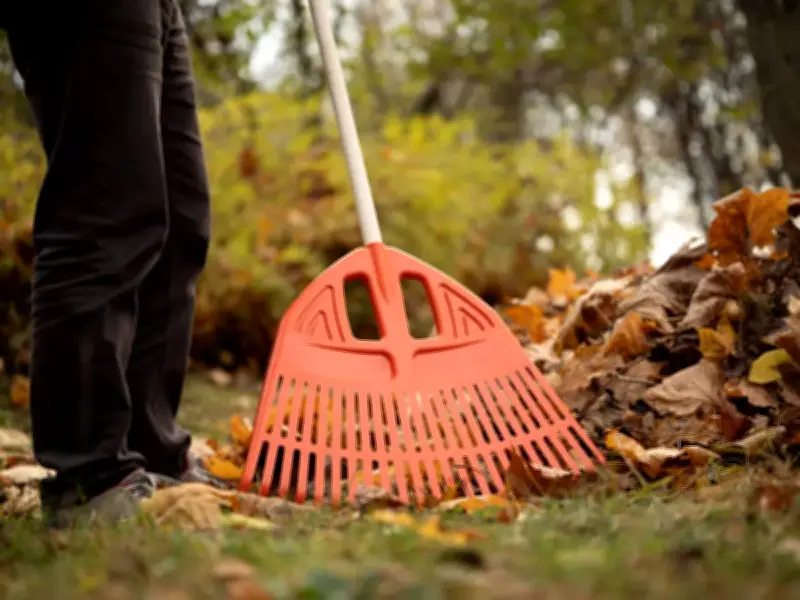
Green also highlights the importance of using a scrubber to clear away moss and debris, which allows the grass to breathe more easily. A spring-tine rake or mechanical scarifier can be used to remove remaining debris and open up the soil for better airflow.
This autumn maintenance helps the lawn recover and reduces the buildup of debris that can trap moisture and encourage snow mould.
For November lawn care, the expert advises watering to boost drainage before and during heavy rainfall, using a garden fork or lawn aerator to puncture holes in the soil, spaced roughly 15cm apart. This is also the ideal time to reseed thinning patches, giving grass time to germinate and establish strong roots before spring.
Green advises against adding extra water, as over-watering can waterlog the soil, deprive roots of nutrients, and increase the risk of fungal disease and decay.