Fuel Price Surge Casts Shadow Over Lincolnshire Farm's Spring Planting Season
Fuel Price Surge Shadows Lincolnshire Farm's Spring Planting

Fuel Price Surge Casts Shadow Over Lincolnshire Farm's Spring Planting Season

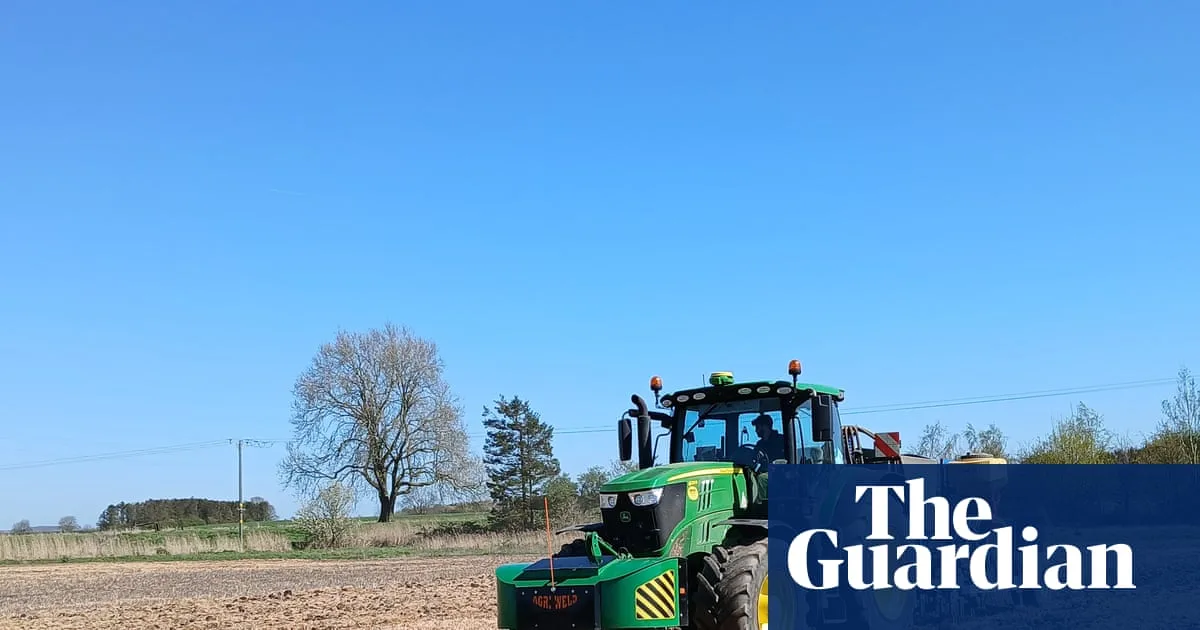
Spring has arrived in Brigg, Lincolnshire, bringing with it the annual ritual of planting delicate crops like peas. Against a backdrop of chattering skylarks, a three-metre precision drill slowly traverses a 15-hectare field, carefully placing seeds into the warming soil. However, this year's cropping season is overshadowed by a profound new worry: skyrocketing fuel prices.

The cost of drilling has doubled in just six weeks, soaring from £7.50 to £15 per hectare. For an arable farm with annual fuel consumption reaching 50,000 litres, this represents a severe shock to its financial stability. The farmer's mind is unusually focused on global events, particularly the Middle East conflict, which is having direct and profound consequences on agricultural operations.

A Regenerative Approach Offers Partial Protection

Thankfully, the farm has built some resilience through a long-term transition to low-disturbance cultivation. Over the past seven or eight years, the operation has adopted methods that disturb only the top inch of soil, significantly reducing tractor use and promoting healthier soil structure. This regenerative philosophy extends to minimising all inputs, including fertiliser, which presents another major concern.

Wide Pickt banner — collaborative shopping lists app for Telegram, phone mockup with grocery list

Fertiliser prices are also skyrocketing, compounded by the complete absence of UK production to provide a domestic buffer. The traditional practice of purchasing a year's supply every June now comes with daunting financial implications.

A Carbon-Neutral Farm Balancing Crops and Wildlife

This 485-hectare operation achieved carbon-neutral status in 2024, employing no insecticides and dedicating over a quarter of its land to environmental measures. The farm produces primarily human-quality combinable crops, including milling wheat for Warburtons, milling oats, marrowfat peas for fish and chip shops, seed wheat, forage barley, spring barley, feed beans, forage maize, and miscanthus.

The chemical can is the last resort rather than the first option, reflecting a deep commitment to sustainable practices. This regenerative approach has unlocked the farm's potential for wildlife, creating a mosaic of interconnected habitats that allow species to thrive away from human activity.

The results are tangible: fish have returned to farm ditches, otters are back in the River Ancholme, and indicator species like curlew and yellowhammer are plentiful. Bales of miscanthus stand ready for collection, representing another strand of the farm's diversified production.

Weather Woes Add to an Already Challenging Season

Beyond economic pressures, the farm remains entirely at the mercy of nature. Rainfall presents another significant worry for this year's cropping season. Since 1 October, the area has received 550mm of rain, approaching the annual average of 650mm-670mm. The farmer fears that, following Sod's law, the taps will turn off just when water is most needed, potentially around August.

This combination of financial strain and climatic uncertainty defines a particularly challenging spring for British agriculture, testing even the most resilient and forward-thinking farming operations.

Pickt after-article banner — collaborative shopping lists app with family illustration