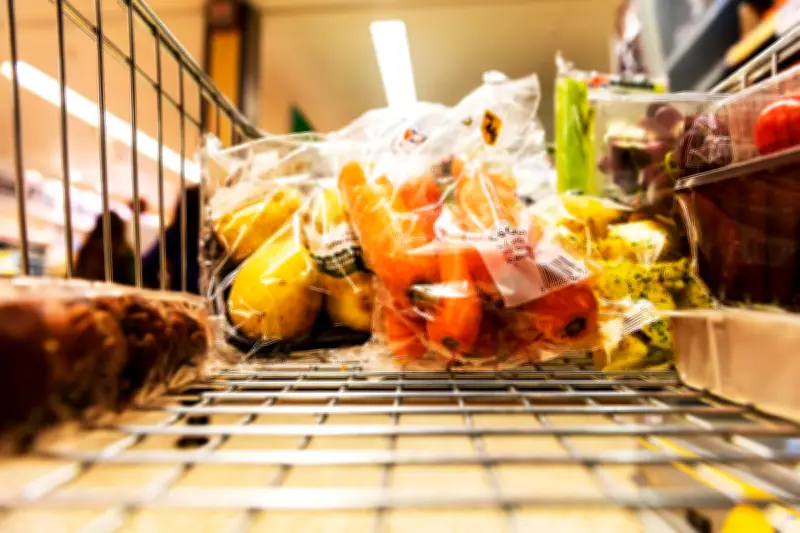
Food and non-alcoholic drink inflation has fallen to the lowest level for almost two years, lifting some pressure from cash-strapped consumers.
Prices for food and non-alcoholic beverages increased by 1.7% in the 12 months to June 2026, down from 2.2% in the 12 months to May, according to figures from the Office for National Statistics (ONS). This marks the lowest annual inflation rate since August 2024. Furthermore, prices fell by 0.2% between May and June.
Price changes for specific items
Examples from the ONS showed the average price of margarine and other vegetable fats fell by 1.9% in the year to June, and the price of pizzas and quiches dropped by 6.7%. Other products which increased in price but at a slower rate in June than May included whole milk (2.4% from 7.2%), chocolate (4.6% from 8.3%), and eggs (2.9% from 4.3%).
Industry response and outlook
Liliana Danila, chief economist at The Food and Drink Federation (FDF) said: “It’s positive to see food and drink manufacturers managing to keep food prices stable in the face of rising input costs.” She added: “What’s become clear is that food manufacturers have worked hard since Russia’s invasion of Ukraine to diversify their supply chains and shore up their resilience against further major supply shocks.”
The fall in food and non-alcoholic drink inflation comes as the industry grapples with strong upward pressures from energy costs, with oil and gas prices rising since the start of the US-Israel’s war with Iran at the end of February. But since Russia’s invasion of Ukraine in 2022, food and drink manufacturers have adapted to fix the prices they pay for energy and ingredients up to two years in advance, helping them to weather economic instability, according to experts.
Nevertheless, industry groups warned that food inflation could rise again in the coming months as cost pressures start to feed through into prices in shops. James Walton, chief economist at The Institute for Grocery Distribution said: “For the many UK households under financial pressure, the slowdown will be welcome. However, we are not out of the woods yet when it comes to food inflation. Although the situation appears to be under control for now, we expect inflation to rise again later this year as costs start to filter through the supply chain. Key factors include the conflict in the Middle East pushing up global energy prices, government regulation adding costs to business, and extreme weather across Europe this summer.”
Ms Danila added: “With disruption the new norm for the food system, it’s critical that the new Prime Minister takes food security seriously and is ready to work in partnership with industry to ensure our food system is investing for growth and resilience, from vital tech adoption to future-facing skills.”