After a dry summer, many lawns are thin and worn. Autumn lawn care can seem daunting, but focusing on key areas keeps it manageable. Grass growth slows with cooler temperatures, so less mowing is needed. Raise the cutting height from 2.5cm in summer to 4cm in autumn, and remove clippings to prevent smothering.
For formal lawns, use an autumn feed rich in potassium rather than nitrogen. Potassium strengthens grass, while nitrogen encourages lush growth that is prone to disease. Organic feeds based on seaweed are available. Top dressing with a mix of sand, soil, compost or leaf mould improves soil texture. A typical recipe for clay soil is three parts sandy soil, six parts sharp sand and one part sieved compost.
Aeration is crucial for compacted soil. Spike the lawn with a garden fork 10-15cm deep every 15cm for small areas, or use a powered aerator for larger spaces. This aids drainage and relieves compaction. Brush top dressing into the holes to stabilise them. Earthworms are natural aerators; encourage them by leaving clippings in summer and sweeping up worm casts on dry days.
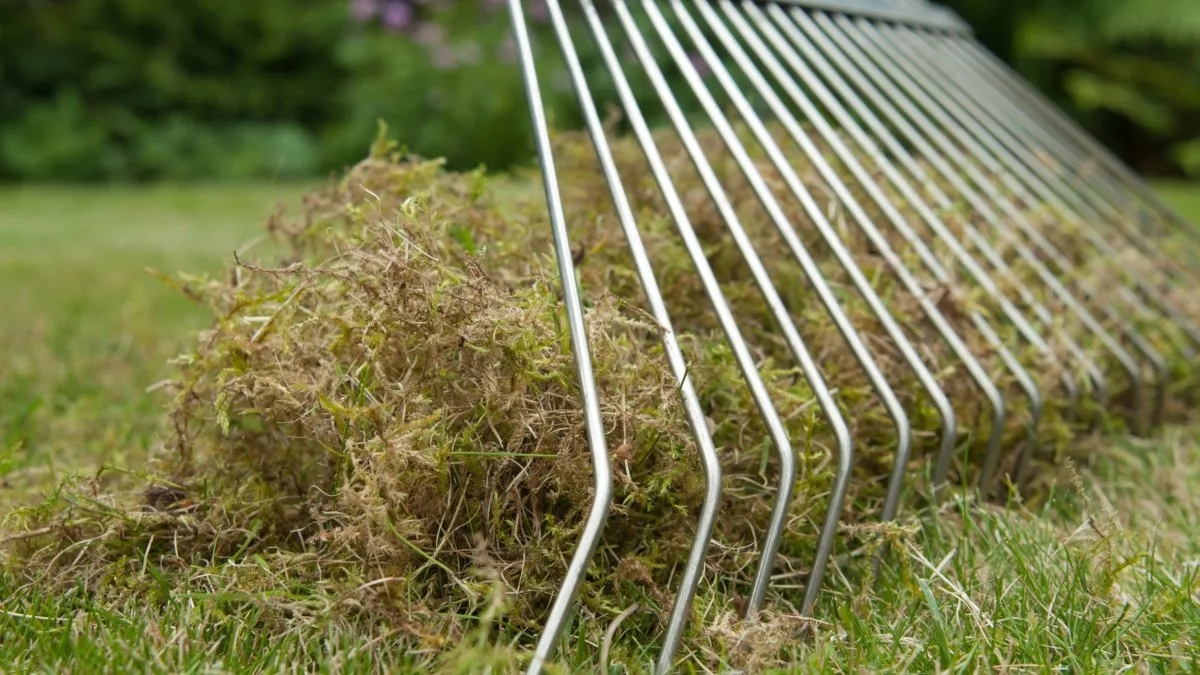
Scarify the lawn with a spring tine rake to remove dead grass, roots and moss. After scarifying, overseed with grass seed suited to the site, particularly for shade. Sow at half the rate for new lawns; the seed will germinate while the soil is still warm. Deep-rooted weeds should be removed before winter. Clover can help lawns resist drought; if desired, overseed with small-leaved clover next spring.