Gardens across the UK are in full bloom this July, but the work is far from over. James Ewens, gardening expert at Green Feathers, warns that warmer weather can stress both plants and wildlife. He emphasizes that July gardening should focus not only on aesthetics but also on supporting local ecosystems.
Deadheading for Continuous Blooms
Deadheading is a vital summer gardening task. Removing faded flowers from bedding plants, roses, cosmos, and dahlias encourages plants to produce fresh blooms and redirect energy toward seed production. James notes that even a few minutes each week can make a significant difference. Sweet peas should be picked regularly, and containers and hanging baskets benefit from weekly feeding to maintain vibrant displays. This practice keeps borders, containers, and baskets looking tidy well into late summer.
Feeding Birds Responsibly
July is a demanding time for birds as they feed their young and remain active during longer daylight hours. James advises providing supplementary feeding with nutrient-rich, easily digestible foods like sunflower hearts, mealworms, and quality seed mixes. Avoid bread and kitchen scraps, which can spoil quickly in heat. Regularly clean bird feeders weekly and use hanging feeders rather than flat ones to minimize disease. Keep bird baths topped up with fresh water.
Watering Plants Effectively
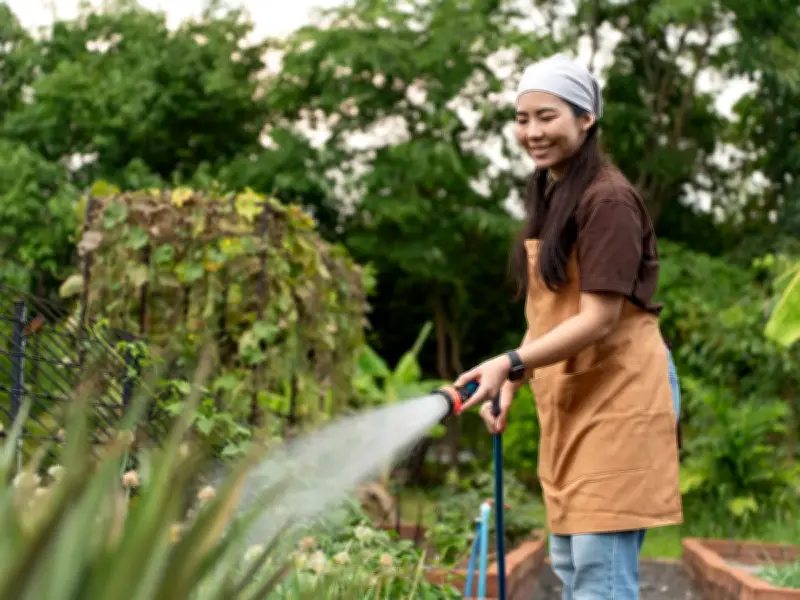
Responsible watering is crucial in July. James recommends watering early in the morning or evening to reduce evaporation. Morning watering is preferred as it ensures plants absorb moisture properly. Water deeply a few times a week rather than little and often, which encourages shallow root growth. Hanging baskets and newly planted specimens may need more frequent checks; press your finger into the soil to assess dryness.
Supporting Pollinators
July is peak season for bees, butterflies, and other pollinators. James suggests planting long-flowering favorites like lavender, helenium, and cosmos to provide reliable nectar sources. Lavender, in particular, is both beautiful and beneficial for bees. A pollinator-friendly garden helps these vital insects thrive throughout the summer.
Natural Pest Control
Pests such as aphids, slugs, wasps, and ants peak in July due to warm, humid conditions. James advises against chemical deterrents. Instead, attract natural predators like ladybirds, frogs, and birds by creating an insect- and wildlife-friendly garden environment. This approach keeps pest numbers under control without harming beneficial species.