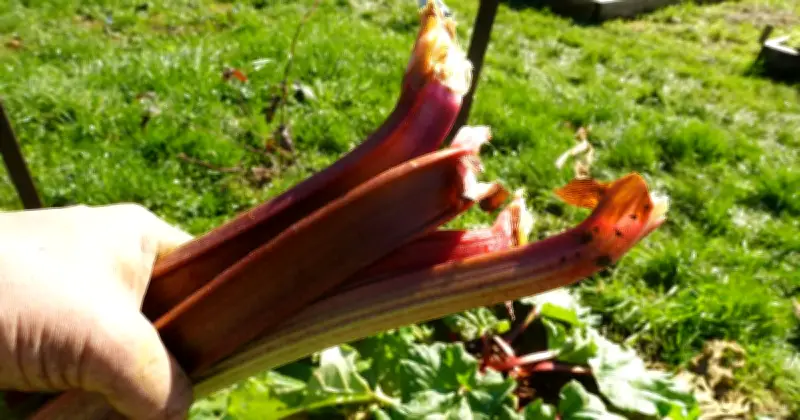
Dividing rhubarb crowns before the end of November is the key to a bigger, healthier summer harvest, as the plant enters dormancy. This simple task, rather than picking, pruning, or forcing, will determine how bountiful the summer rhubarb harvest is.
Why divide rhubarb now
Rhubarb is a hardy perennial that lives for many years and thrives in the UK climate, which is why it is so low-maintenance and easy to grow. The only caveat is that rhubarb needs to be well established before it can flourish. You only need to divide rhubarb if the plant has been cropping for a few years. After about five to six years, the tart red stems will decline, and the plant will produce only thin, spindly stalks.
Food journalist Mark Diacono says rhubarb will be "reinvigorated" after being divided, so long as you do it properly. That starts with timing. November is ideal for dividing rhubarb as it is when the plant becomes dormant, though you can do it up until February if you wish.
How to divide rhubarb crowns
As a general rule of thumb, you should separate the strongest sections of your rhubarb plant and replant them. First, dig around the plant and lift as much of the woody root from the ground as possible. Mark's advice, as shared with English Garden, is to count the large buds at the top of the plant that will produce next year's shoots.
Use a sharp spade to split the plant into three or four pieces, ensuring at least one eye in each new chunk. Younger plants will be easier to divide, while mature rhubarb may need some force, as it can develop a thick, woody root. Mark said: "It feels like butchery, but rhubarb is robust, and each division will grow and recover, as long as it has an eye."
Replanting and aftercare
Discard any weak or decayed plants before replanting the small portions in prepared soil, spacing them 90cm apart to allow for growth. Planting the rhubarb with a cane will make it easier to see where you've placed the new roots. If you don't want to plant them straight away, the Royal Horticultural Society suggests placing the divisions in damp sacking for a short time.
Water the newly planted roots thoroughly to help them establish. Rhubarb likes a sunny spot, cool climates, and well-drained soil. Gardeners are advised to hold off harvesting in the first growing season after division, allowing the plants to replenish their reserves. The year after, you can lightly harvest the rhubarb stems, then resume normal harvesting.