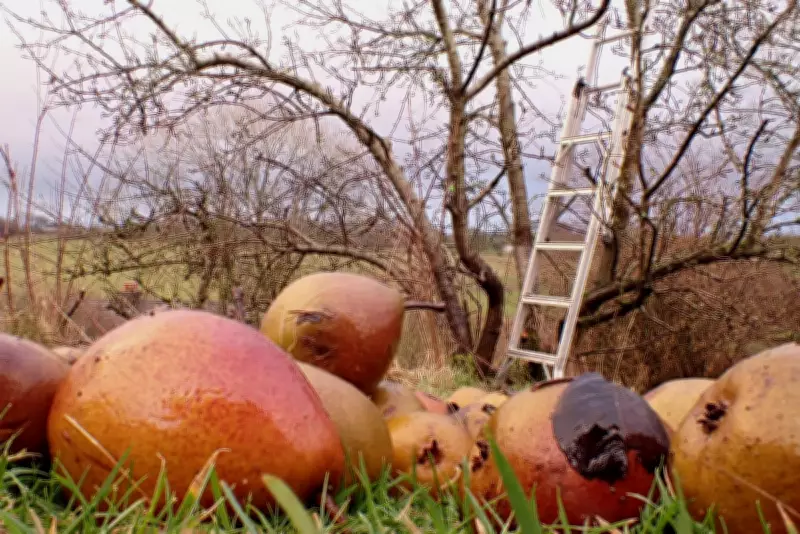
In a world increasingly dominated by urban sprawl and digital distractions, the humble orchard stands as a testament to the enduring power of connection. These cultivated spaces, often overlooked in modern landscapes, are not merely collections of fruit trees but vibrant ecosystems that weave together threads of nature, culture, and human interaction.
The Ecological Tapestry of Orchards
Orchards are extraordinary in their ability to support a rich tapestry of life. From the pollinators that flit between blossoms to the soil microbes that nourish the roots, every element is interconnected. This biodiversity is crucial for resilience against pests and climate change, making orchards vital hubs for environmental health. Studies show that well-managed orchards can enhance local wildlife populations, providing habitats for birds, insects, and small mammals.
Community Bonds and Cultural Heritage
Beyond their ecological value, orchards are founded on deep social connections. Historically, they have served as communal gathering spots, where families and neighbors come together for harvests, festivals, and shared labor. This tradition continues today, with community orchards fostering a sense of belonging and stewardship. In many regions, orchards are integral to cultural heritage, preserving heirloom varieties and traditional farming practices that might otherwise be lost.

The role of orchards in education and well-being cannot be overstated. Schools and local groups often use them as outdoor classrooms, teaching children about sustainability and food sources. Moreover, spending time in orchards has been linked to improved mental health, offering a peaceful retreat from the stresses of daily life.
Challenges and Future Prospects
Despite their importance, orchards face significant threats from urbanization, industrial agriculture, and climate shifts. Loss of these spaces can erode both biodiversity and community cohesion. However, initiatives to protect and expand orchards are gaining momentum. Urban planting projects, agroforestry schemes, and policy support for small-scale growers are helping to safeguard these connections for future generations.
In conclusion, the extraordinary nature of orchards lies in their multifaceted connections—to the land, to each other, and to our shared history. By valuing and nurturing these spaces, we invest in a more sustainable and connected world.