
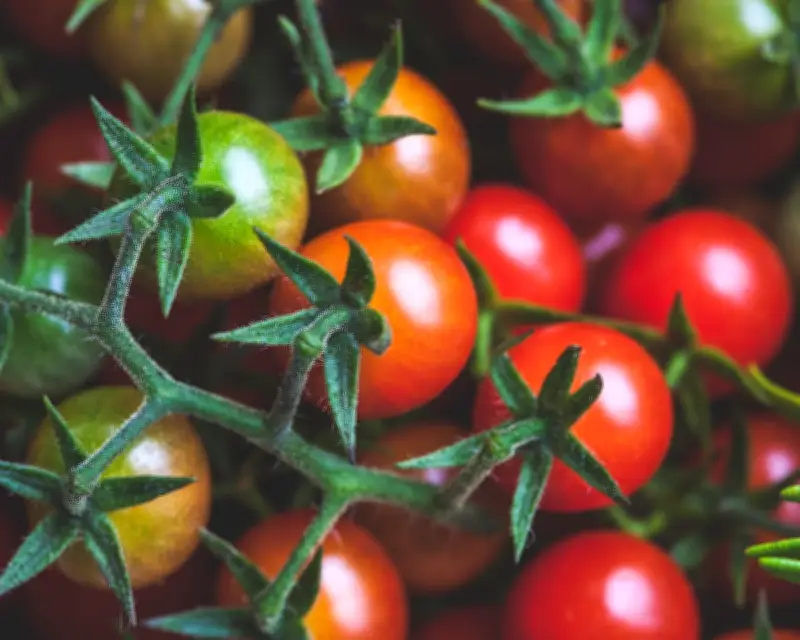
Kelley Swain, a PhD candidate at the University of Tasmania, discovered a basket full of unripe cherry tomatoes from a volunteer tomato plant overtaking her compost heap in the Huon Valley during the winter solstice. Inspired by a video from Hobart gardening legend Hannah Moloney, Swain decided to experiment by leaving the tomatoes in the sun to ripen. She emphasizes that these plants grew themselves, noting that friends have described volunteer tomatoes as the most determined or obstinate.
Language and Ownership in Gardening
Swain reflects on the subtle nuances of language around ownership and ability. She recalls being adamant when hiring a professional builder to say she was having a tiny house built, not that she was building it herself. Similarly, she admits she cannot grow tomatoes intentionally but can create conditions where they thrive. Last year's experiments showed that only self-seeded tomato plants bore fruit under her care, and her attention was only drawn to them after Hannah's cheerful greenhouse clip.
Small-Scale Solutions Amid Crises
Swain acknowledges her privilege of living in a region with abundant rainfall and fertile soil, even if traces of agricultural chemicals remain. She comments on the fertiliser crisis due to the closure of the Strait of Hormuz, noting that industrial-scale farming relies on industrial-level fertiliser, but scale is often the problem. She suggests that humanure from our own digestive systems can be the best fertiliser when handled correctly, though large-scale human waste can breed cholera, making sewerage systems a necessary part of the Industrial Revolution.
Swain argues that focusing on small, remediable things is why many turned to gardening during the 2020 pandemic and continue to do so. She states, 'It isn’t “prepping” to plant some chard or to crop-swap lettuces: it’s natural community exchange, which is often cited as our single greatest “answer” to the existential worries we face (community, not lettuce, though both are good).'
Community and Civilisational Collapse
While agreeing with Sarah Wilson's latest book about civilisational collapse, Swain distinguishes between the fall of Rome and a dinosaur-extinction event. She envisions pockets of communities surviving on rainwater catchment, humanure, and gardening after Silicon Valley's data centres consume resources unsustainably. She does not wish for these things but acknowledges the rapaciousness is non-negotiably unsustainable.
Swain's greatest privilege is time with her child, achieved by living with little money and working part-time. She has no mortgage and a small personal debt she is slowly paying off, placing great store in social capital. This limits her in some ways, such as flying on holidays, but she values the relative simplicity of what she understands to be important.
Attention as a Form of Prayer
Swain concludes that if attention is a form of prayer, then turning her attention to her child and her compost tomatoes is a way forward. She may not know the future, but keeping her attention there will not be a poor choice. Kelley Swain works in medical and health humanities and is a PhD candidate at the University of Tasmania, working on a project about poetry and motherhood.




