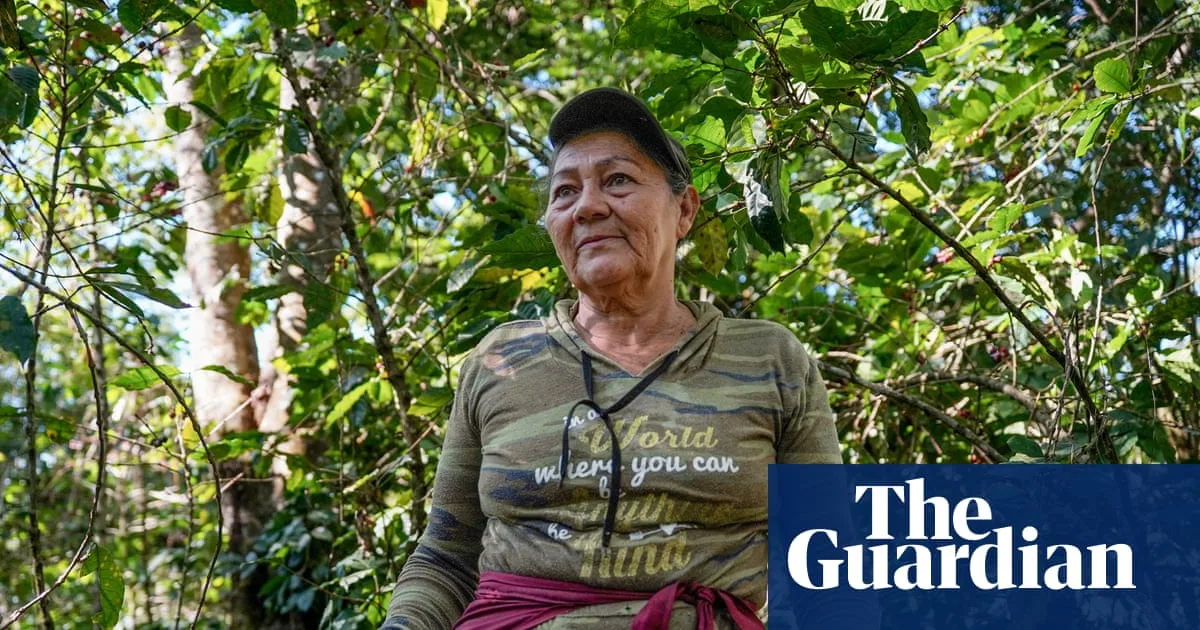
Family-run coffee farms in El Salvador and Honduras are struggling to survive as global prices fall, costs rise and climate change disrupts harvests. Oscar Leiva, a grower in western El Salvador, described watching rainfall in December, a month that once marked the start of the dry season. Flowering came early and stalled, followed by a heatwave. The remaining crop is uneven, lower in quality and more expensive to produce.
For generations, coffee shaped El Salvador’s rural economy. By the mid-1970s, the country ranked among the world’s leading producers, with harvests exceeding 5 million quintales (about 46kg each). Now, national production struggles to reach 1 million quintales. The decline reflects land restructuring, climate shocks and rural migration that have hollowed out the sector.
Market signals point in the opposite direction. After a record rally earlier in 2025, Arabica bean prices are expected to plunge as production rebounds in Colombia, Brazil and other leading exporters. Rabobank forecasts growing global surpluses over the next two seasons could push prices sharply lower, even as farmers in climate-vulnerable regions face rising costs.

Cecibel Romero, a researcher on coffee production, said the sector faces overlapping problems. “There is a real climate crisis, but there is also a social crisis,” she said, adding that rising temperatures, erratic rainfall and diseases such as coffee rust have exposed weaknesses in the traditional production model. “When prices keep producers at subsistence level, adaptation becomes impossible.”
In Honduras, Central America’s largest coffee producer, the pressures are similar. Juan Luis Hernández, a forest engineer who has worked with the Honduran Coffee Institute, said adaptation has a cost that is unevenly distributed. Gerardo Vásquez, a small producer in Copán, said establishing a single manzana (about 0.7ha) of coffee now costs about 200,000 lempiras (£5,600) spread over three years. Fertiliser prices have risen sharply and labour shortages have pushed harvest wages higher.