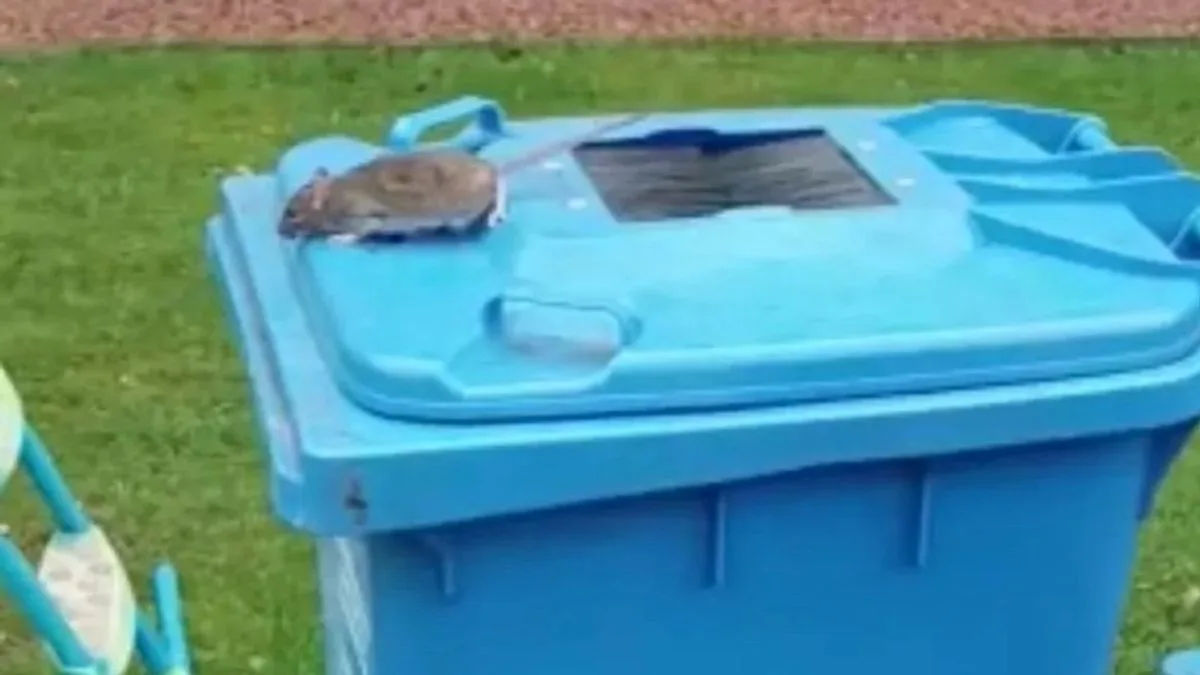
New Recycling Rules: Bins Left Unemptied If Food Waste Contaminated
Bins Left Unemptied If Food Waste Contaminated From March 31

Major Recycling Overhaul: Bins May Be Skipped If Rules Ignored

Households throughout England are being alerted to a significant change in waste collection protocols that could see their bins left unemptied if specific guidelines are not followed. From Tuesday, March 31, 2026, new regulations will mandate the strict separation of food and garden waste, marking a pivotal shift in domestic recycling practices.

Strict Separation Requirements Take Effect

Under the incoming "Simpler Recycling" framework, all local authorities in England will be required to collect four distinct waste streams separately. This typically involves households utilizing four separate bins or containers for different categories of rubbish. However, the most immediate and impactful change for many residents will be the end of mixed food and garden waste collections.

Food waste must now be placed in a dedicated caddy for weekly collection, while garden waste will be collected separately, often through a subscription-based service depending on the local council. The final week of March will see the cessation of combined collections for these materials.

Wide Pickt banner — collaborative shopping lists app for Telegram, phone mockup with grocery list

Warnings from Waste Management Experts

Waste specialists at Wheeldon Brothers, a family-operated firm serving Greater Manchester with a substantial social media following, are urging residents to prepare. They emphasize that confusion during this transition period is likely to lead to contaminated bins, missed collections, and considerable frustration for households that fail to adapt promptly.

A spokesperson for the company stated: "This is one of the biggest changes to household waste collections in recent years. From March 31, food and garden waste can no longer go in the same bin. If the wrong materials are placed in the wrong container, bins may not be emptied."

The firm advises residents to consult their local council's guidance well ahead of the deadline to ensure clear understanding of which bin is designated for each type of waste.

National Standardization Aims to Boost Recycling

This warning coincides with England's broader initiative to standardize recycling collections nationwide. The primary objectives are to enhance recycling rates and significantly reduce contamination levels in the waste stream. Early awareness and compliance are deemed crucial to minimizing disruption when these changes are implemented at the end of March.

While the new rules will affect all councils across England, the immediate impact on individual households will vary. Some local authorities already operate recycling schemes that largely align with the new requirements, meaning residents in these areas may experience minimal change. Nevertheless, it remains essential for everyone to verify the specific guidelines applicable in their locality.

Understanding the Four Waste Streams

The standardized system will require waste collectors to manage four separate categories:

  • Food and garden waste (now collected separately)
  • Paper and cardboard
  • Other dry recyclables, such as glass, plastic, and metals
  • Non-recyclable residual waste, which will be sent to landfill or used for energy recovery

This structured approach is designed to streamline recycling processes and improve environmental outcomes. The key takeaway for the public is the mandatory separation of food and garden waste, ending the common practice of commingling these materials in a single bin.

Failure to adhere to these new protocols not only risks leaving households with accumulating waste but also undermines the national effort to create a more efficient and effective recycling system. Residents are strongly encouraged to act now to avoid potential inconveniences and support this important environmental initiative.

Pickt after-article banner — collaborative shopping lists app with family illustration