A bin collector has issued a stark warning that could see households' recycling left uncollected if they attempt to dispose of a common takeaway item incorrectly. The viral message, shared on TikTok, highlights the significant problems caused by polystyrene contamination in recycling streams.
The Polystyrene Problem
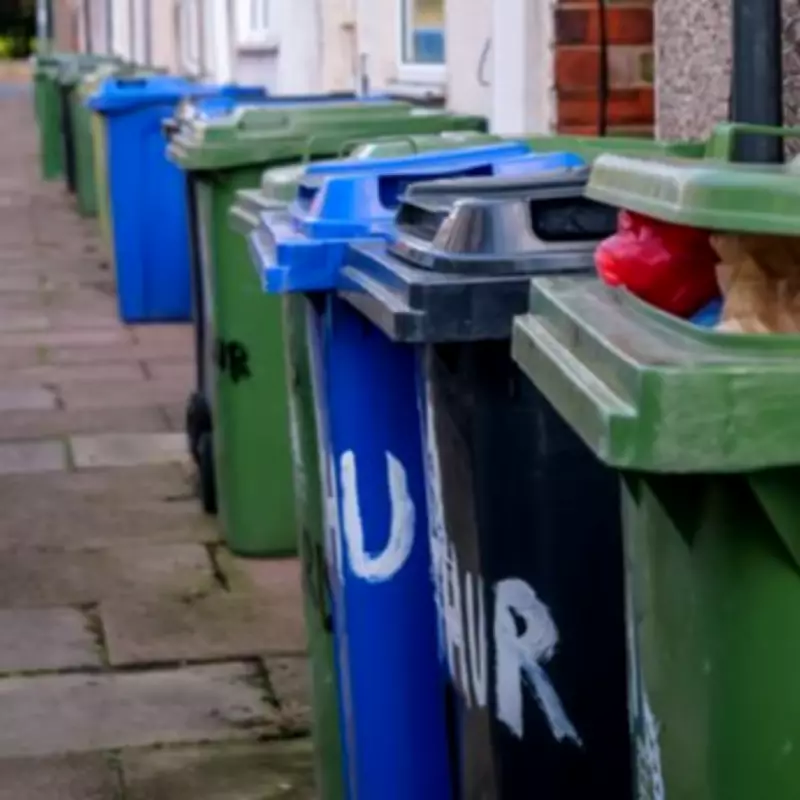
In a TikTok clip that has amassed over 2.4 million views, content creator @Theno1.binman delivered a clear ultimatum. Holding up a piece of polystyrene, he stated firmly: "When the binmen find polystyrene hiding in the recycling... Now I have to leave the bin." This warning underscores a widespread issue across UK councils regarding contaminated recycling.
Why Polystyrene Causes Issues
While polystyrene is technically recyclable, most local authorities refuse to collect it when mixed with other recycling materials due to practical complications. The national recycling campaign for England and Northern Ireland, Recycle Now, explicitly advises on its website that polystyrene "is a type of plastic which is not commonly recycled and should be placed in the waste bin."

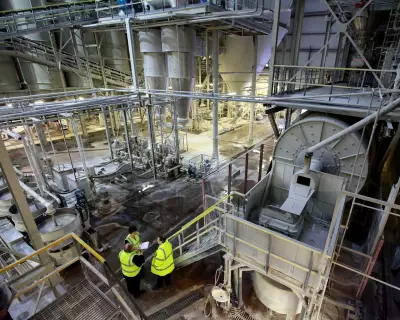
Expanded polystyrene is frequently used for takeaway food containers and protective packaging for appliances like microwaves. A spokesperson for London Recycles explained the technical challenges: "Polystyrene often isn't recycled because it is difficult to sort from other types of plastic waste and easily breaks into small beads, which can clog up sorting machines and cause them to break down."
The Contamination Crisis
Recycling contamination represents a serious challenge for waste management systems across the country. Contamination occurs when non-recyclable materials, or recyclables processed incorrectly, enter the recycling stream. This often results from 'wishcycling' - the well-intentioned but misguided practice of placing questionable items in recycling bins hoping they might be recyclable.
Recycle Now elaborates: "It could be something that's recyclable, but not collected by your particular local council, such as plastic wrapping. Or it could be something that is collected by your local council, but that has been tainted by a material or substance that isn't, such as a grease-soaked cardboard takeaway pizza box or the food residue from a can of beans."
Council Variations and Solutions
While recycling rules differ between local authorities, all councils strictly prohibit contamination that compromises entire batches of recycling. Most packaging includes recycling symbols indicating proper disposal methods, though these guidelines can vary regionally.
For accurate, location-specific information, Recycle Now provides a free Recycling Locator tool. This resource helps residents determine exactly what materials their local council accepts and directs them to nearby recycling drop-off points for items not collected through routine services or for excess waste.
The environmental implications are substantial. Proper recycling requires entire communities to follow consistent guidelines to ensure materials receive a second life rather than ending up in landfills. Just one contaminated bin can spoil an entire truckload of otherwise recyclable materials, undermining collective environmental efforts.
London Recycles offers practical advice: "Try and avoid buying food and drink which comes in polystyrene. If you can't, put the containers in your rubbish bin." This simple guidance could prevent countless recycling collections from being rejected, saving time, resources, and reducing environmental impact.