
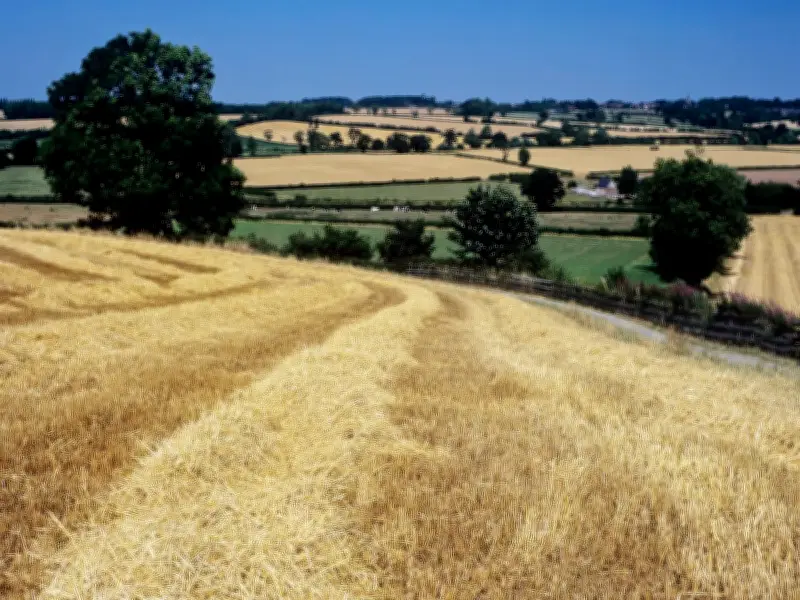
Farmers in the UK have reduced barley planting to its lowest level in 16 years as more people choose not to drink alcohol, according to industry experts.
Sharp decline in barley acreage
Data from the Agriculture and Horticulture Development Board (AHDB) shows a 12% year-on-year drop in the area dedicated to barley this year across the country. This marks the lowest planting since 2010, with approximately 930,000 hectares planted, 17% below the five-year average.
Barley is a key ingredient for beer and other alcoholic beverages. The AHDB attributes the decline to "lower demand for the ingredient from brewers and distillers."
Health and cost factors
Alcohol consumption in Britain has been steadily falling as health consciousness rises. The rising cost of a pint has also contributed, leading to a wave of pub closures in recent years.
The decline is particularly pronounced in Scotland, where barley is used for malt whisky. Barley planting in Scotland is down 13%, reaching its lowest level since the 1960s.
Andrew Williamson, vice-chair of the crops board at the National Farmers’ Union (NFU), told The Times: "The trend of drinking less alcohol is starting to work through the system - farmers are definitely aware of it."
Rise of low and no-alcohol drinks
A record 200 million pints of no and low-alcohol beer were expected to be sold in the UK by the end of last year. The British Beer and Pub Association (BBPA) forecast a 20% surge in the market in 2025, with 22 million "no and low" pints expected in December alone. However, these drinks still account for only about 2.7% of the UK's total beer market.
The BBPA claims that UK rules, which require drinks to be below 0.05% ABV to be labelled alcohol-free, are holding back the category. In many other countries, the threshold is 0.5% ABV.
Recent data from Drinkaware shows that nearly one in two drinkers consumed no or low-alcohol drinks in the past year, up from 22% in 2021.




