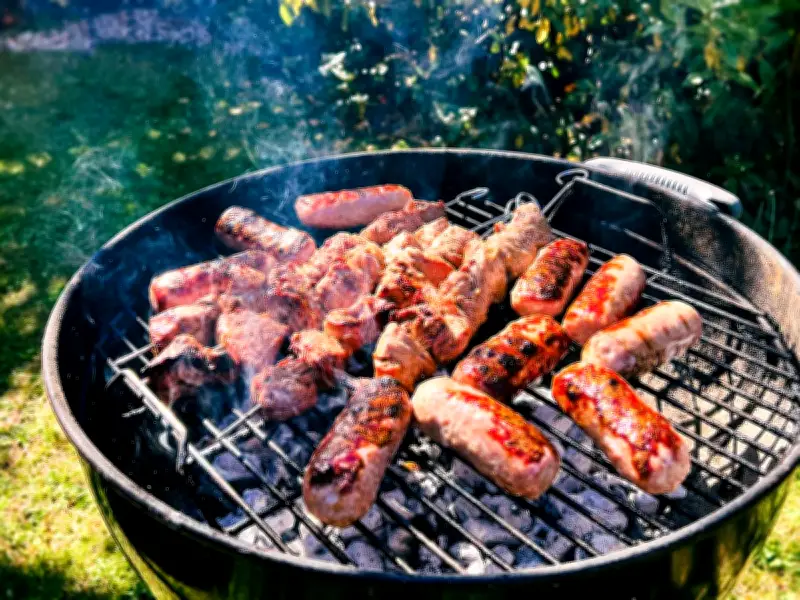
As Scotland welcomes a mini heatwave this week, garden experts are warning homeowners that common barbecue mistakes can leave lawns, decking and artificial grass damaged this summer, leading to unnecessary and expensive garden repairs.
Laura Bradbury, Head of Ecommerce at Vonhaus, has highlighted one particular area of your garden where you should avoid using a barbecue despite it seeming like the most ideal place to put it.
Why Grass and Barbecues Don't Mix
Placing a BBQ, particularly disposable versions that sit closer to the ground, directly onto grass can leave long-lasting damage well after the food has been cooked. The heat from underneath the BBQ can scorch the lawn while falling embers can lead to dead patches that take weeks to recover.
This is also the case for artificial grass. Despite being able to withstand changing weather conditions and heavy foot traffic, extreme heat on fake grass is another story as hot charcoal and embers can melt the fibres. This also leads to permanent yellow or brown marks that are often difficult and expensive to repair. Hot utensils and ash containers should also never be used directly on artificial grass.
While barbecues are a staple of summer, a few simple precautions can help homeowners avoid unnecessary damage to their outdoor spaces. Bradbury advises that if you do need to barbecue on grass, consider putting a heat resistant mat or paving slab beneath the barbecue to help protect the grass underneath before cooking your food that will provide an extra layer of protection.
Fire Risks and Statistics
The warning comes after Freedom of Information data obtained by Vonhaus revealed that UK fire services responded to over 700 barbecue related incidents between 2022 and 2024.
The garden expert added: "Many people focus on the food and entertaining side of a barbecue but don't always think about the impact it can have on the garden itself. Heat, grease, hot ash and stray embers can all cause damage if a barbecue isn't positioned carefully or properly cleaned up afterwards."
Other Common BBQ Mistakes to Avoid
Disposing of Ash Immediately
Many homeowners assume they are safely in the all clear once the flames have died out. However, hot ash and charcoal can remain hot long after a barbecue appears to have cooled down. Getting rid of ash too quickly can scorch lawns, damage outdoor surfaces and in some cases even create a fire risk if it is placed into bins or stored alongside combustible materials.
Bradbury warns: "One of the biggest mistakes people make is assuming ash is safe to dispose of shortly after cooking. Charcoal can remain hot for many hours after a barbecue appears to have gone out. Even if there are no visible flames, residual heat can still be present. Disposing of ash too quickly can damage lawns, melt plastic bins and create an unnecessary fire risk."
To safely dispose of barbecue ash, allow it to cool completely before handling it. Ash and charcoal should be left for at least 24 hours where possible before being transferred to a suitable metal container. Hot ash should also never be emptied directly onto grass, into garden waste bins or onto compost heaps, as residual heat can continue to cause damage long after cooking has finished.
Ignoring Grease Spills on Decking
While the fire and the heat from it are often the biggest concern during a barbecue, grease can also present its own problems if spills are left untreated. Grease can soak into timber decking and leave stubborn stains that become increasingly difficult to remove the longer it is left. It can also cause slippery surfaces which heightens the risk of slips and falls during outdoor gatherings.
Bradbury says: "Grease stains are one of the most common forms of barbecue related garden damage because they often go unnoticed until after everyone has gone home. The quicker you deal with grease, the better your chances of avoiding a lasting stain. A mixture of vinegar, baking soda and a good scrub can often remove fresh spills before they soak into the timber. Once grease has penetrated the wood, however, it becomes much more difficult to remove completely."
It is also worth checking the surrounding area for sparks or embers that may have been missed on the decking during cooking, as these can leave permanent scorch marks even after the barbecue has been extinguished.