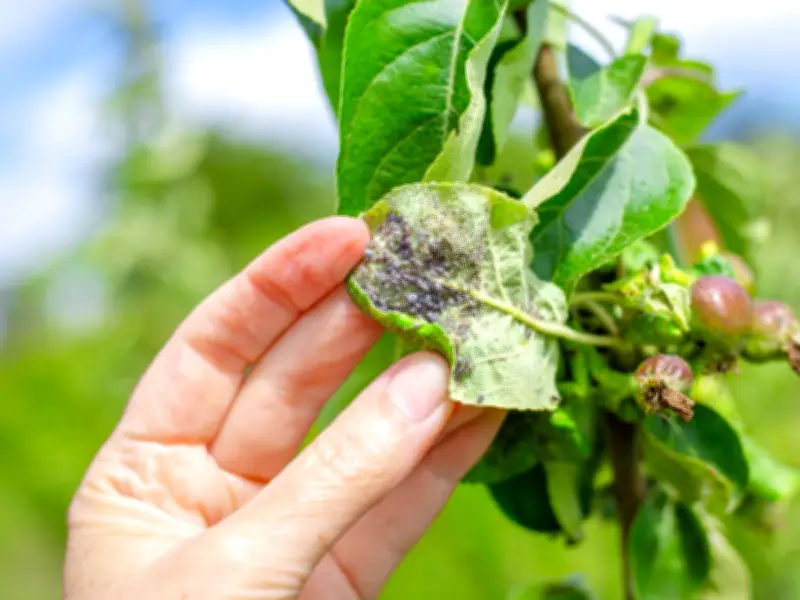
Gardeners have discovered that a homemade spray made from just two ingredients—washing-up liquid and water—can cause aphids to 'slide off' roses during the peak infestation period in June. The simple solution has been endorsed by members of the David Austin Roses Facebook group, who say it disrupts the pests' habitat without harming the plant if used sparingly.
How the Spray Works
According to group member Linda Moran, the recipe is straightforward: “Spray with washing up liquid and water mixed together.” Jill Heiman added: “You could leave them for the ladybugs to eat, but if it's really getting to you, mix washing up liquid and water. Spray the rose and watch aphids slide off.”
The diluted soap solution works by breaking down the waxy coating on aphids' bodies, causing them to dehydrate and fall off. However, experts caution that the spray must be reapplied every few days, especially after rainfall, and that too much soap can damage plants. The solution should be used sparingly to avoid harming the rose.
Aphid Infestation Signs
Aphids are especially prevalent during summer and drain sap from plants. Roses affected by an infestation may display curled leaves or a sticky residue called honeydew. This can occasionally lead to sooty mould, but according to David Austin Roses, it will not damage the plant. The pests are typically found on the underside of leaves, so regular inspection is vital.
Writing on the David Austin Roses Facebook page, Dana Dobrescu described her infestation: “What do you recommend for my aphid infestation? All my roses are under attack. I used a commercial spray, but it was useless.” She shared a photo showing hundreds of aphids covering a flower.
Natural Alternatives
David Austin Roses recommends leaving aphids alone in most cases, as they are an important food source for ladybirds, hoverflies, and other beneficial insects. “If their numbers increase, a strong spray of water is usually enough to reduce them,” the company said. “You can also gently rub them away or encourage natural predators by planting companion plants like parsley, yarrow or nasturtiums.”
Ladybirds are particularly effective at controlling aphid populations naturally. Encouraging them into the garden can provide long-term pest management without the need for sprays.