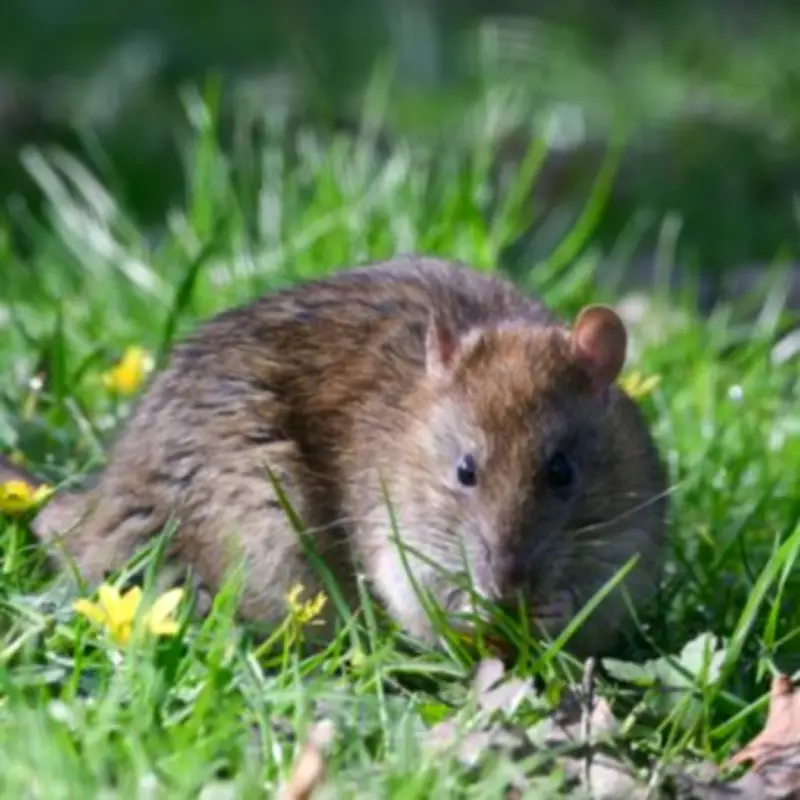
Alan Titchmarsh's Expert Advice on Preventing Rat Infestations in Gardens
As spring arrives and temperatures rise, many households are eager to spend more time in their gardens. However, this season also marks the prime breeding period for rats and mice, who seek shelter and food in outdoor spaces. Infestations can become costly and difficult to eradicate, making prevention essential. Renowned gardening expert Alan Titchmarsh has shared vital tips to keep these pests at bay.
The Hidden Danger of Bird Feeders
Alan Titchmarsh highlights a common gardening practice that may inadvertently attract rats: feeding birds. While gardeners often enjoy encouraging avian visitors, bird feeders can serve as a magnet for rodents. "Most gardeners, myself included, love encouraging garden birds, so bird feeders are everywhere in this garden. But, they can also be a magnet for rats," Titchmarsh explains. Rats are drawn to the readily available food source, posing a risk of infestation.
Strategic Positioning to Deter Rats
The key to preventing rats from accessing bird food lies in the placement of feeders. Titchmarsh advises positioning them in open areas, away from structures that provide cover. "The key to success with them is to position in the open, in the middle of your lawn. Rats hate running through exposed areas," he says. Placing feeders near hedges or walls allows rats to shelter and quickly grab food, increasing the likelihood of visits.

Instead, Titchmarsh recommends:
- Place bird feeders directly in the centre of your garden.
- Ensure they are away from bushes, hedges, and walls.
- This not only deters rats but also offers a better view of visiting birds.
"So, in an open space is by far the best place for a bird feeder. Then, you shouldn't have the rat problem," he urges.
Additional Tips for Rat Prevention
Beyond feeder placement, Titchmarsh suggests timing bird food distribution to further reduce rat attraction. He advises against leaving food out overnight. "Put it out first thing in the morning," he recommends. While some gardeners worry this may inconvenience birds, Titchmarsh assures that birds can wait briefly. "If you have had a rat problem, they can wait half an hour before you put it out. That way, you'll enjoy the garden birds and hopefully not a rat in sight," he adds.
By following these expert guidelines, gardeners can enjoy their outdoor spaces without the nuisance and expense of rat infestations. Titchmarsh's insights provide a practical approach to balancing wildlife encouragement with effective pest control.