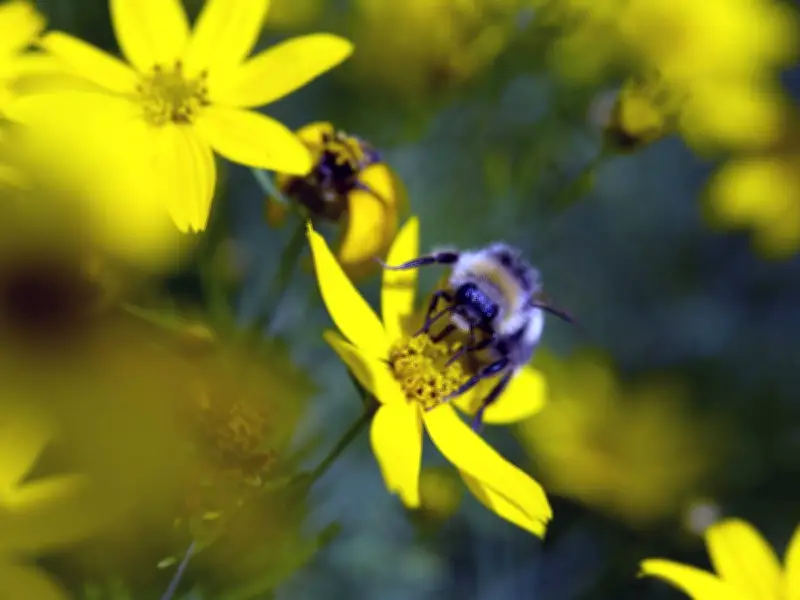
Over the last 20 years, insect populations in UK gardens have declined markedly due to climate change, habitat loss, and intensive farming. To combat dwindling numbers of flying insects and pollinators, gardeners are urged to plant pollinator-friendly species. Gardening expert Chris Bonnett from GardeningExpress.co.uk emphasizes the importance of insects: “I can’t stress enough how important insects are in the garden, and not just for pollination. They act as natural pest control, eating aphids including greenfly and blackfly. Others like beetles and ants break down decaying leaves and other organic matter which puts nutrients back into the soil. Added to that, they’re a food source for other wildlife including birds, frogs, hedgehogs and bats.”
Lavender
Famed for its calming scent and stunning spikes of purple flowers, lavender is one of the most loved plants in British gardens. It is incredibly low maintenance, thriving in full sun with very little water, needing only occasional pruning to prevent woodiness. Pollinators, especially bees, are drawn to its abundant nectar.
Buddleja (Butterfly Bush)
As its common name suggests, buddleja is a butterfly magnet. Rich in nectar, it prefers well-drained soil and full sun. Prune and shape it in spring to keep it healthy and encourage new growth.
Honeysuckle
Honeysuckle offers fragrant blooms full of nectar and pollen for bees, butterflies, and night-flying moths. New shoots attract aphids, which in turn attract beneficial insects like ladybirds. It is easy to grow but requires pruning after flowering—remove dead, diseased, or crossing branches and cut back straggly stems.
Hardy Geraniums
These bright flowers act as bee and butterfly magnets, providing nectar and pollen with minimal maintenance. Cut them back hard after the first bloom to encourage more flowers later in the season.
Ivy
Ivy provides a great caterpillar habitat and attracts bees, wasps, and late-flying butterflies in autumn. Through winter, it protects insects from harsh conditions.
Verbena
Verbena produces nectar-rich flowers that draw in bees and butterflies. This low-maintenance plant loves full sun—avoid overwatering to prevent root rot.
Sunflowers
Sunflowers offer bright yellow flower heads that provide abundant nectar and pollen for bees. Once flowers are spent, leave seed heads for birds or collect seeds to replant the following year.
Bonnett concludes: “Planting beneficial species in the garden is the very least we can do to encourage insects. There are some fragrant, colourful and evergreen suggestions which will maintain interest in the garden, and most importantly, attract bees, butterflies and other bugs.”