Boost Lavender Blooms Naturally with 3 Kitchen Scraps for Healthier Growth
3 Kitchen Scraps to Make Lavender Flower More and Grow Healthier

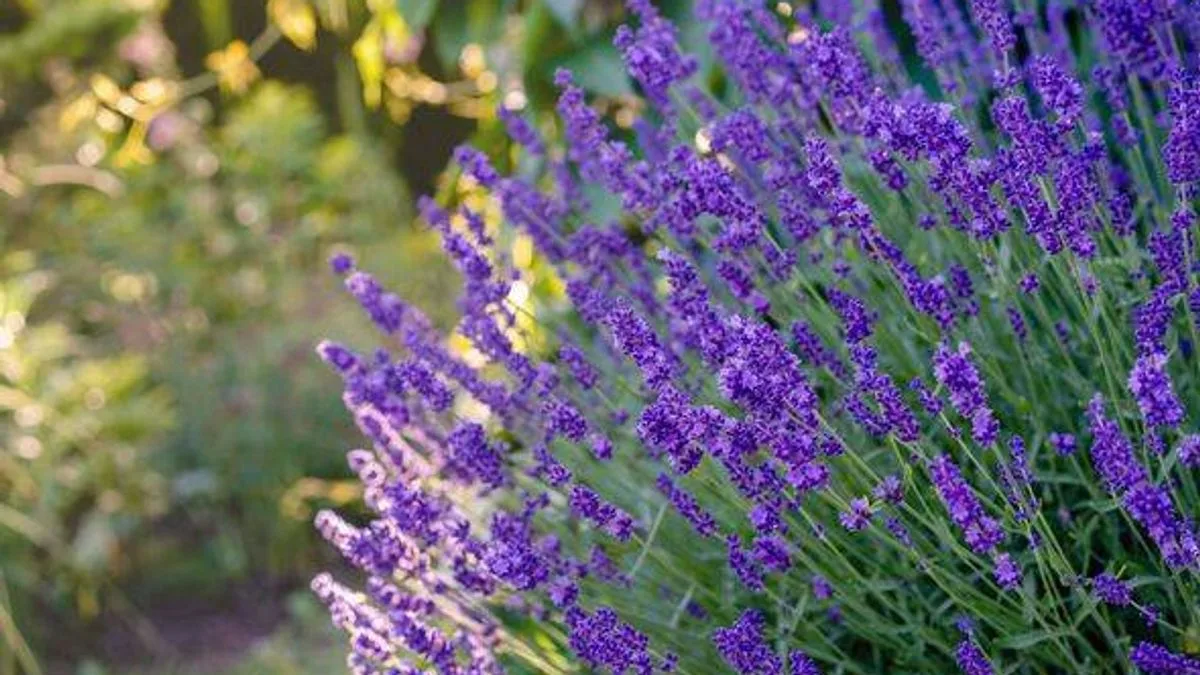
Lavender plants, celebrated for their soothing purple hues and calming aromatic scent, are a staple in gardens, evoking tranquil summer days. While these hardy perennials thrive even in nutrient-poor soils, strategic fertilisation can significantly boost their development and flowering potential.

Why Lavender Benefits from Careful Nourishment

Lavender is renowned for its resilience, often flourishing in challenging conditions with minimal care. However, a touch of fertiliser can promote healthier growth and encourage more abundant blooms. It is crucial to avoid overfeeding, as excessive nutrients may lead to excessive foliage at the expense of flowers or even harm the plant. Experts recommend fertilising lavender just once in spring, aligning with the start of its active growth period, to strike the perfect balance.

Natural Kitchen Scraps for Lavender Enhancement

Stephanie, a horticultural specialist from the home and DIY blog Celebrated Herb, advocates using kitchen waste as a sustainable and effective fertiliser for lavender. She emphasises that while lavender does not demand high nutrient levels, these scraps can provide supplementary nourishment when used moderately.

Wide Pickt banner — collaborative shopping lists app for Telegram, phone mockup with grocery list
  • Coffee Grounds: Used coffee grounds serve as an excellent source of nitrogen, essential for robust plant development. Simply scatter them around the base of lavender plants and gently work them into the soil. This method also benefits other garden favourites like hydrangeas and roses, enhancing their bloom vibrancy and size.
  • Banana Peels: Rich in potassium, banana peels can stimulate lavender plants to flower more prolifically and strengthen their root systems. Chop the peels into small pieces and bury them in the soil surrounding the plants. This technique is equally effective for encouraging orchids to blossom and roses to thrive.
  • Vegetable Scraps: Leftovers such as carrot tops and lettuce leaves can be transformed into homemade compost. Layer these scraps with dried leaves and grass cuttings in a compost container, allowing them to decompose into nutrient-dense compost that provides additional nourishment for lavender.

Key Considerations for Optimal Results

Stephanie cautions that kitchen scraps should not be the sole nutrient source for lavender plants. Over-reliance or excessive application can lead to overfeeding, which may inhibit flowering or cause damage. Use these natural fertilisers sparingly, integrating them into a broader garden care routine that includes proper sunlight, watering, and soil management. By adopting this balanced approach, gardeners can enjoy healthier lavender plants with enhanced floral displays, all while reducing waste and embracing eco-friendly practices.

Pickt after-article banner — collaborative shopping lists app with family illustration




