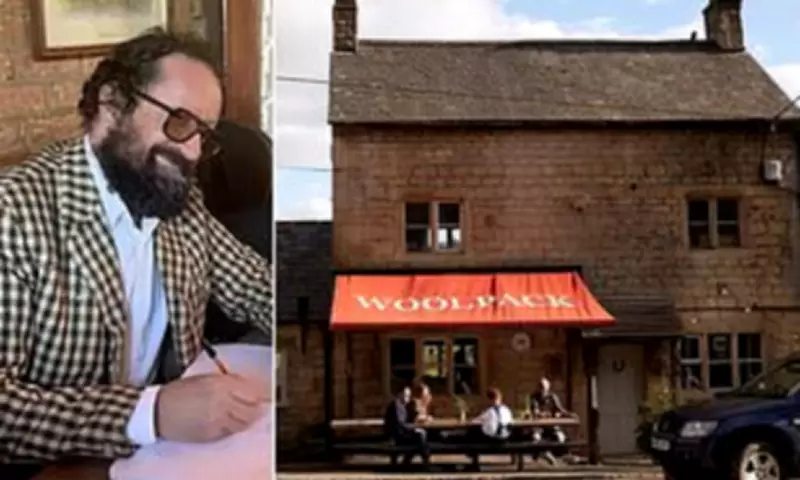
Animal rights campaigners from PETA have launched a direct appeal to an award-winning British pub, demanding it change its historic name from The Woolpack due to concerns over alleged cruelty within the wool industry. The prominent advocacy group, which promotes veganism and an end to animal testing, has formally written to The Woolpack Inn located in the picturesque village of Slad, Gloucestershire, urging the establishment to adopt a new identity.
A Proposal for a Plant-Based Rebrand
In their correspondence, PETA activists have specifically suggested the venue be renamed The Plant Woolpack, highlighting the availability of what they describe as environmentally friendly alternatives to traditional wool. The group has even offered to financially contribute towards the costs associated with such a rebranding exercise, underscoring their commitment to the proposed change.
Owner Firmly Rejects the Idea
However, pub owner Dan Chadwick has unequivocally dismissed the request, telling the Daily Mail he has absolutely no intention of altering the name. Mr. Chadwick, who first purchased The Woolpack Inn back in 1999, expressed his dismay, stating it was 'sad that this idea has been given life'. He passionately defended the pub's nomenclature, which is deeply embedded in the local area's 300-year history.

'The whole area was built on wool and it is impossible to deny,' Mr. Chadwick explained. 'A woolpack was a sack of wool, our sign depicts a mule carrying two of these sacks. The Woolpack Inn is a famous cultural landmark and I don't think it would be very popular if the name was changed. I hate it when pubs get their names changed as it upsets the history.'
Historical Significance and Wider Context
There are at least fifty pubs across the United Kingdom bearing the name The Woolpack, with the most famous being the public house featured in the long-running television soap opera Emmerdale. This is not the first instance of such a name coming under scrutiny; a previous high-profile campaign saw activists attempt to rename the Emmerdale establishment to 'The Hemppack'.
PETA asserts that the wool industry involves the abuse and exploitation of animals, labelling it as 'problematic'. The organisation claims wool is 'violently taken from sheep' and that the animals are subjected to being 'treated like disposable machines'. The group is specifically targeting the Slad venue following its recent recognition as one of Britain's best public houses, having been listed among the top fifty gastropubs in the UK last December.
The Local Wool Heritage
Mr. Chadwick noted that while he was personally unaware of any cruelty within the modern wool industry, his inn's name is a tribute to the rich historical fabric of the Gloucestershire valley. Before the industrial revolution, the wool trade employed thousands of local people and produced some of the world's finest quality wool. Historian of industry Jennifer Tann notes that Gloucestershire wool was shipped globally, used to clothe the British Army and even to make robes for the Pope.
PETA's Environmental and Ethical Arguments
In the letter to Mr. Chadwick, PETA Vice President of Corporate Projects, Yvonne Taylor, wrote: 'Sheep are thinking, feeling beings who love their families, but in the wool industry, they’re punched, kicked, and treated like disposable machines. PETA encourages the Woolpack Inn to show compassion and embrace a kinder future for animals and the planet.'
The letter further elaborated on environmental concerns, stating: 'To raise sheep for their wool, swaths of land are cleared, negatively impacting biodiversity. Ruminant animals, sheep emit vast amounts of the potent greenhouse gas methane, while toxic sheep dip and wool cleaning chemicals pollute waterways.' Ms. Taylor advocated for plant-based alternatives like organic cotton, hemp, flax, and bamboo, which she said are environmentally friendly as they produce oxygen while absorbing carbon.

A Storied Local Institution
The Woolpack Inn has stood for more than three centuries, offering patrons a choice between a cosy fireside tavern, a formal dining room, and beautiful vine-covered terraces to enjoy their meals and drinks. It was a favoured haunt of the acclaimed English poet, novelist, and screenwriter Laurie Lee, who was raised in the village and was a regular visitor to his local pub. The establishment remains a beloved landmark, its name a testament to a defining chapter in the region's social and economic history.