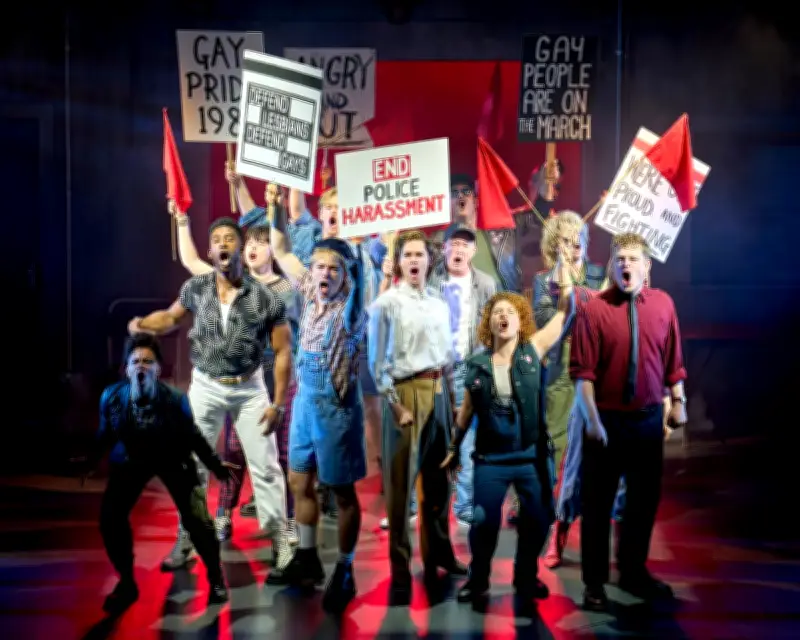
The stage adaptation of the 2014 film Pride has opened at the Dorfman Theatre in London, delivering a joy-filled celebration of solidarity between LGBTQ+ activists and striking miners in 1980s Britain. Directed by Matthew Warchus and written by Stephen Beresford, the musical retells the true story of Lesbians and Gays Support the Miners (LGSM), a group that raised funds for a south Wales pit village during the miners' strikes.
Plot and Historical Context
The story begins in 1984 when Mark (played by Jhon Lumsden) founds LGSM, arguing that the gay community faces persecution similar to that of the miners. The activists befriend the miners of Onllwyn, collecting funds to lift them out of poverty caused by the strike. This unlikely friendship leads to an enduring bond and a ripple effect beyond their communities.
The production leans into the same joy-filled spirit as the film, using sentiment to sugar tough subject matter, including homophobic abuse, coming out and family rejection, the Aids crisis, and Margaret Thatcher's breaking of the miners' union.
Stage Design and Narration
The action takes place on a makeshift scaffold and gantry structure designed by Bunny Christie, evoking protest speeches and banner-wielding. Five narrators tell the story together, occasionally addressing the audience directly. These self-conscious moments are fun rather than laboured, especially in a breakout scene by Jonathan (Samuel Barnett), who performs a show-stopping bittersweet number, You Might As Well Live, about his HIV diagnosis.
Other characters include Mark's right-hand man Mike (Matthew Durkan), who remains anonymous, and Jonathan's bookseller boyfriend Gethin (Chris Jenkins), whose story of maternal estrangement lacks the devastating impact of Andrew Scott's film portrayal. However, the storyline of timid Bromley (Lewis Cornay) and his coming out is deeply moving, with the song Mum 1 full of vulnerability and a yearning to be seen. The high of his declarative I'm Into Guys follows. Steph (Courtney Stapleton) is the lone lesbian character, but she is wonderfully spiky.
Music and Emotional Range
The songs are fabulous, blending Welsh choral music (including Y Ddraig Ar Ein Baner, or The Dragon on Our Flag) with moving ballads and snazzy disco. They shift gears emotionally, from tear-jerkers to naughty protest chants like “Two, four, six, eight, is that copper really straight?” and even edgy black humour around Aids.
The show pares away some scenes from the film but bulks up with song, movement, and abundant theatrical imagination. According to the review, the musical becomes more than the sum of its parts: a remarkable piece of British social history, deeply moving and deeply important.
Contemporary Relevance
The production gains added meaning as an example of how coming together can overcome prejudice. It feels especially important to revisit at a time when queer rights are being rolled back, difference is seen as a threat, and intolerance prevails on social media. The musical serves as an uproarious roadmap, reminding audiences of ways to love each other and that to overcome fears, we must talk to those we fear.
The show runs at the Dorfman Theatre, National Theatre, London, until 12 September.