Peaky Blinders: The Immortal Man Review – Tommy Shelby's Gritty Big-Screen Return
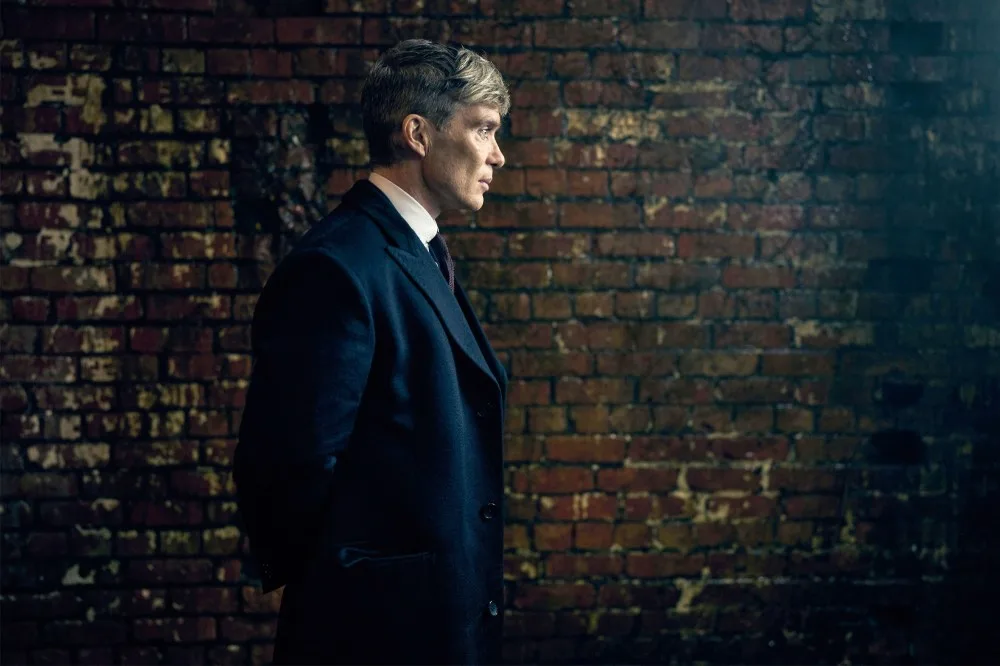
After six acclaimed television series that captivated audiences from 2013 to 2022, the iconic British drama Peaky Blinders makes a bold leap to the big screen with Peaky Blinders: The Immortal Man. This standalone feature film, directed by Tom Harper and written by series creator Steven Knight, delivers a muscular and blood-soaked narrative that expands the saga of Birmingham's notorious gangland. Cillian Murphy returns with his haunting performance as Tommy Shelby, the Romani-traveller gang chieftain, in a story that plunges viewers into the dark heart of World War II-era Britain.
A Gangster in Winter: Tommy Shelby's Isolated Existence
The film picks up years after the television series concluded, setting the action in 1940 during Britain's darkest hour. Tommy Shelby now resides in a remote, sprawling mansion, far removed from the Birmingham underworld he helped forge. Accompanied only by his loyal henchman Johnny Dogs, portrayed by Packy Lee, Tommy is a crime-lion in winter—weary, sickened, and tormented by ghosts from his past. He is haunted by memories of his deceased brother Arthur and daughter Ruby, while laboring on what he intends to be his definitive autobiography. The isolation and introspection mark a stark contrast to his earlier, more violent days, yet the peace is short-lived.
Family Betrayal and Nazi Threats: A New Conflict Emerges
The plot thickens when a charismatic and enigmatic woman, played by Rebecca Ferguson, arrives with alarming news. Tommy's son, Erasmus Shelby, portrayed by Barry Keoghan, has taken control of the Peaky Blinders. Erasmus leads a new generation of flat-capped gangsters, recklessly raiding government armouries for weapons. In a shocking act of disloyalty, he has secretly allied with a sinister Nazi fifth-columnist named Beckett, played by Tim Roth, to distribute counterfeit currency aimed at destabilising Britain's economy and paving the way for invasion.
This betrayal forces Tommy out of retirement, setting the stage for a dramatic confrontation. The film masterfully blends personal family drama with broader historical stakes, as Tommy must confront not only his son's treachery but also the looming Nazi threat. A pivotal scene in a raucous pub, where Tommy is mocked by unruly squaddies, showcases his enduring authority and sets the tone for the gritty showdowns to come.
Themes of War and Redemption: A Homefront War Film
Peaky Blinders: The Immortal Man delves deeply into themes of war, loyalty, and redemption. By positioning Tommy Shelby against the Nazis, the film elevates him to an unlikely hero, a stark departure from his earlier conflicts with figures like Winston Churchill. Steven Knight and Tom Harper infuse the narrative with the intensity of a homefront war film, using the backdrop of World War II to explore moral complexities and national survival. While some may argue that this portrayal sentimentalises real-life crime gangs of the era, the drama remains resoundingly confident and engaging.
Cillian Murphy's performance is, as ever, a standout—his unsettling, almost sightless stare conveying layers of trauma and determination. The supporting cast, including Rebecca Ferguson and Barry Keoghan, adds depth to the ensemble, creating a rich tapestry of characters that drive the plot forward.
Release Details and Final Verdict
Peaky Blinders: The Immortal Man is set for release in cinemas across the UK and US on March 6, followed by a global streaming debut on Netflix from March 20. While familiarity with the television series may enhance appreciation, the film stands on its own as a compelling period drama. It offers a visceral blend of action, emotion, and historical intrigue, cementing Tommy Shelby's legacy in a muddy, bloody, and unforgettable cinematic experience.