Love Is Blind Season 10 Delivers a Profoundly Bleak Vision of Modern Dating
In the grim landscape of 2026, where domestic terrorism, war, and AI dominance loom large, the need for escapism has never been more pressing. Yet, the latest season of Netflix's reality TV show Love Is Blind has emerged as an unexpectedly depressing spectacle, offering a dark and unsettling look at contemporary dating dynamics.
A Show That Has Never Been Good, Now Reaching New Lows
To be clear, Love Is Blind has never been considered a quality show, even by the forgiving standards of reality television. The first season, which premiered just before the pandemic, was described as toxic, revolting, and addictive. At its best, it voyeuristically explores judgments and uncomfortable feelings around race, politics, weight, and attractiveness. At its worst, it is simply boring. However, the Ohio-based tenth season has sunk to new depths, both in production quality and in the bleakness of its content.
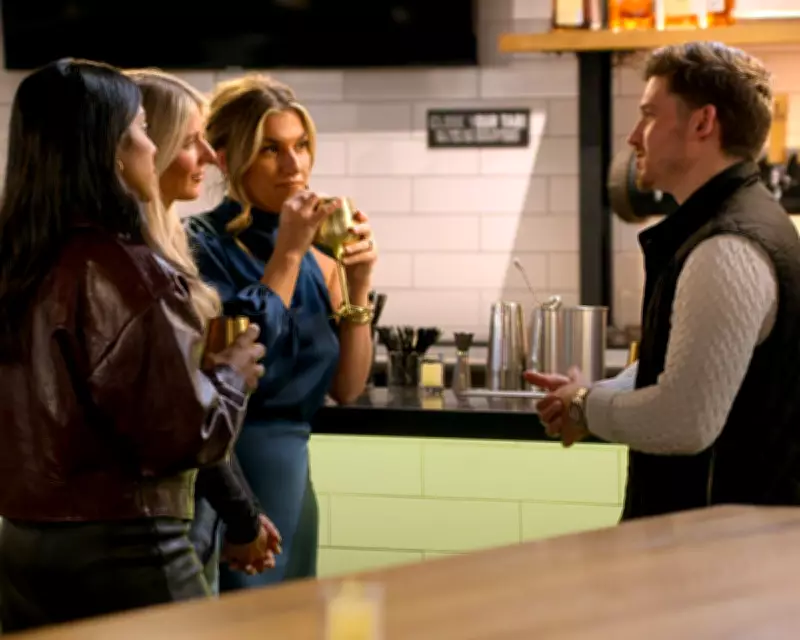
The show's format, where singles form emotional connections in pods and get engaged sight unseen, has always been unrelatable. But this season amplifies the absurdity by spanning the entire state of Ohio, leading to tedious conversations about moving to Cincinnati or Columbus. Production shortcuts are glaringly obvious, with couples filming themselves on phones during honeymoons and pivotal conversations edited so choppily that viewers must rewind to follow the flawed logic.

Regressive Gender Roles and Toxic Behavior Take Center Stage
Beyond the tangible production flaws, there is something rotten at the core of this season: a pronounced regression in gender roles that exceeds the usual entertainment value of gawking at bizarre dating experiments. This toxicity is evident in multiple interactions.
- Ashley faces pressure from her fiancé Alex to quit her job and move to Arizona or Florida for a nomadic lifestyle, with no regard for her own life in Cleveland.
- Brittany realizes her partner Devonta refuses to compliment her or communicate effectively, leaving her feeling undervalued.
- Bri discovers her fiancé Connor lives in a glorified frat house, highlighting immature living standards.
- Jess, a doctor, endures her fiancé Chris doing a complete 180, stating he is not attracted to her because she does not work out daily or do pilates, prompting her to walk out.
Chris's behavior escalates further, as he loudly disparages Jess sexually in front of cast members, attempts to seduce another woman by insulting her partner, and references Andrew Tate, suggesting familiarity with the manosphere. Vulture aptly labeled him the biggest douche in Love Is Blind history, embodying the season's curdled traditional values and lopsided expectations.
The Unspoken Politics and Bleak Projection of America
Politics simmer beneath the surface, though the show perceptibly avoids discussing them openly. Viewers have combed through participants' social media to find rightwing follows and Charlie Kirk tributes, hinting at underlying ideologies. Ashley's father briefly breaks the silence by asking Alex about Trump votes, but such moments are rare.
This avoidance feels increasingly bizarre as the season progresses, creating an airless, unrecognizable version of Ohio that could represent any part of America. The show projects a bleak vision where politics are neither discussed nor deemed relevant to marriage, yet they palpably influence interactions. As comedian and Ohio native Patti Harrison quipped, watching this Christian nationalist show feels like laboriously pushing Ohio out of oneself.
Ultimately, Love Is Blind Season 10 serves as a stark case for hetero-pessimism in the US, blending bad behavior, regressive roles, and a dark undercurrent of politics into a profoundly bleak television experience.