Kinaesthesia Review: A Scholarly Dive into Early Cinema's Dreamscapes
Gerald Fox's documentary Kinaesthesia delves into the fascinating world of early cinema, focusing on how pioneering film-makers were captivated by dreams and human consciousness. Based on an essay by the late Harvard film studies professor Vlada Petrić, the film presents a theory that these early innovators used techniques to stimulate the brain in ways reminiscent of dreaming. While the documentary has a scholarly, lecture-like feel, it remains a compelling exploration of cinematic history.
The Dreamlike Origins of Cinema
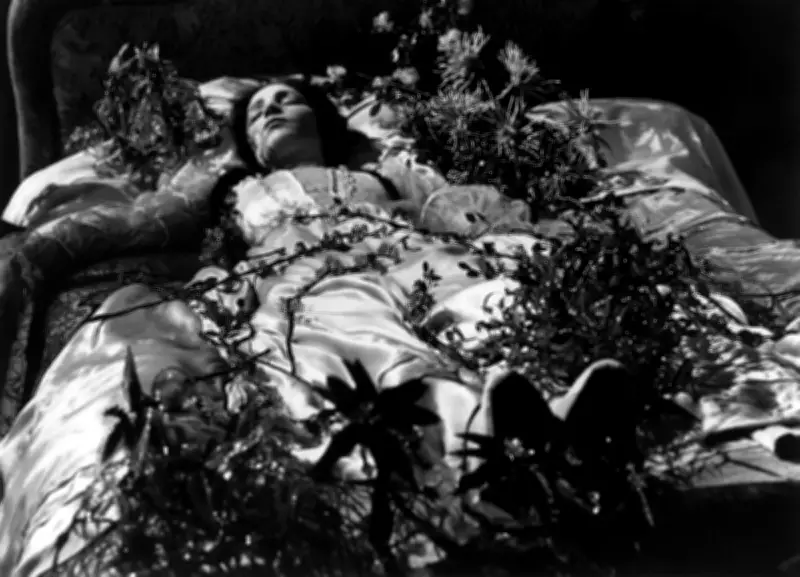
Luis Buñuel once remarked that dreams were the first cinema, a notion vividly illustrated in his short film Un Chien Andalou, co-created with Salvador Dalí nearly a century ago. Inspired by their own dreams, this film features shocking imagery, such as a razor slicing through an eyeball and rotting donkeys strapped to grand pianos, which still disturbs audiences today. Kinaesthesia includes this and dozens of other films to showcase the profound influence of dreams on early cinematic art.
A Treasure Trove of Experimental Films
The documentary serves as a greatest hits compilation of experimental early cinema, spanning from German expressionists like FW Murnau and Fritz Lang to Soviet directors such as Sergei Eisenstein and Oleksandr Dovzhenko. It highlights lesser-known works, like Japanese film-maker Teinosuke Kinugasa's 1926 film A Page of Madness, set in a psychiatric hospital and once thought lost before being discovered in a sake barrel. In an effort to balance the male-dominated narratives of early cinema, a section is dedicated to the avant-garde brilliance of film-maker Maya Deren.

Technical Innovations and Audience Impact
Through expert editing of clips, Kinaesthesia conveys the shock and novelty that audiences in the 1910s and 1920s must have experienced. Examples include the use of double exposure in DW Griffith's The Avenging Conscience to create ghostly visions in a murderer's mind, and Charlie Chaplin transforming into a chicken in The Gold Rush as seen through the eyes of a hunger-delirious man. These techniques demonstrate how early film-makers actively engaged viewers' imaginations, much like dreams do.
Critique and Narration
Despite its erudite and exhaustive approach, the documentary is not without flaws. The narration by Gerald Fox is described as somewhat hammy, and dramatic segments featuring Serbian actor Goran Kostic as Professor Petrić add little to the overall experience. However, these minor drawbacks do not detract from the film's value as an educational resource.
Conclusion and Release Details
Kinaesthesia is essential viewing for anyone with an interest in the history of cinema, offering deep insights into the dream life that early films encapsulated. It provides a thorough, if academic, journey through the visions that shaped modern film-making. The documentary is set to be released in UK and Irish cinemas from 17 April, making it accessible to audiences eager to explore this niche yet impactful aspect of cinematic heritage.