Joan Crawford's Wildest Film Emerges From 90-Year Legal Exile
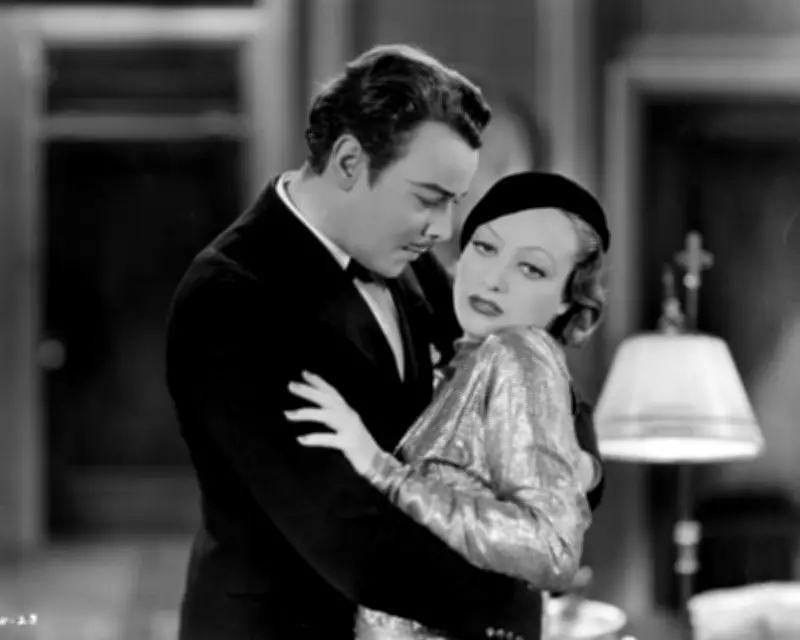
For nearly a century, one of Hollywood golden age superstar Joan Crawford's most notorious and controversial films has remained locked away from public view due to protracted legal battles. The 1932 MGM production Letty Lynton, featuring Crawford as a glamorous Manhattan socialite entangled in a lethal web of passion, poison, and betrayal, has not been legally screened since January 1936. Now, ninety years later, thanks to restoration efforts and copyright expiration, audiences will finally witness what censorship authorities and playwrights fought so fiercely to suppress.
A Risqué Story That Defied Censors
The film's troubled history began with MGM's original intention to adapt the Broadway play Dishonored Lady, written by Edward Sheldon and Margaret Ayer Barnes. This production, featuring substantial content involving alcohol, narcotics, and sexuality, had already been declared "unfit for motion picture adaptation" by the influential Hays Office censorship bureau. When the playwrights demanded $30,000 for rights and the Hays Office refused to budge on material they deemed to feature a "nymphomaniac" protagonist, MGM pivoted dramatically.
For merely $3,500, the studio acquired rights to Marie Belloc Lowndes' novel Letty Lynton, which shared the same real-life inspiration as the rejected play: the sensational 1857 case of Scottish socialite Madeleine Smith, who stood trial for allegedly poisoning her lover with arsenic after he threatened to expose their affair. Director Clarence Brown, a Crawford favorite who also guided her in Possessed and Chained, was assigned to helm the project, with Crawford embracing what she later described as "one hell of a story and script and character I could really get to grips with."

Legal Battles and Fashion Legacy
Despite Crawford's electric chemistry with co-star Nils Asther and the film's box office success, trouble erupted just one month after release when Sheldon and Barnes sued MGM for plagiarism, arguing the adaptation clearly drew from their work rather than the novel. As lawsuits dragged on for years and playwrights began pursuing cinema profits, MGM withdrew the film from circulation in 1937.
Yet even as legal battles raged, Letty Lynton left an indelible mark on fashion history. The iconic white organdy dress with oversized frilled sleeves, designed by Adrian for Crawford's character, sparked a nationwide craze when replicated in affordable versions at Macy's department stores. British Vogue documented young women who "felt they would die if they couldn't have a dress like that," while legendary costume designer Edith Head later declared the Letty Lynton dress cinema's single most influential fashion statement.
Resurrection After Copyright Expiration
The film's remarkable return became possible through the determined efforts of Crawford's grandson, Casey LaLonde, who worked with Warner Bros after the copyright on the disputed play expired on December 31, 2025. Warner Bros, which controls rights to numerous pre-1986 MGM films, has meticulously restored Letty Lynton in stunning 4K resolution.
LaLonde expressed his excitement on social media, stating: "I have been keeping this secret for months, so it is wonderful to share the news with Joan fans around the world." The restored film will receive its first legal screening in nine decades at the TCM Film Festival in Los Angeles on May 1, followed by Blu-ray and DVD releases through Warner Archive.
This cinematic resurrection not only returns a pivotal Crawford performance to audiences but also highlights Hollywood's complex history with censorship, adaptation rights, and the enduring cultural impact of golden age cinema. As Crawford herself famously declared in 1973: "I love playing bitches. There's a lot of bitch in every woman – a lot in every man." Now, nearly a century later, viewers can finally experience the performance that embodied that provocative philosophy.