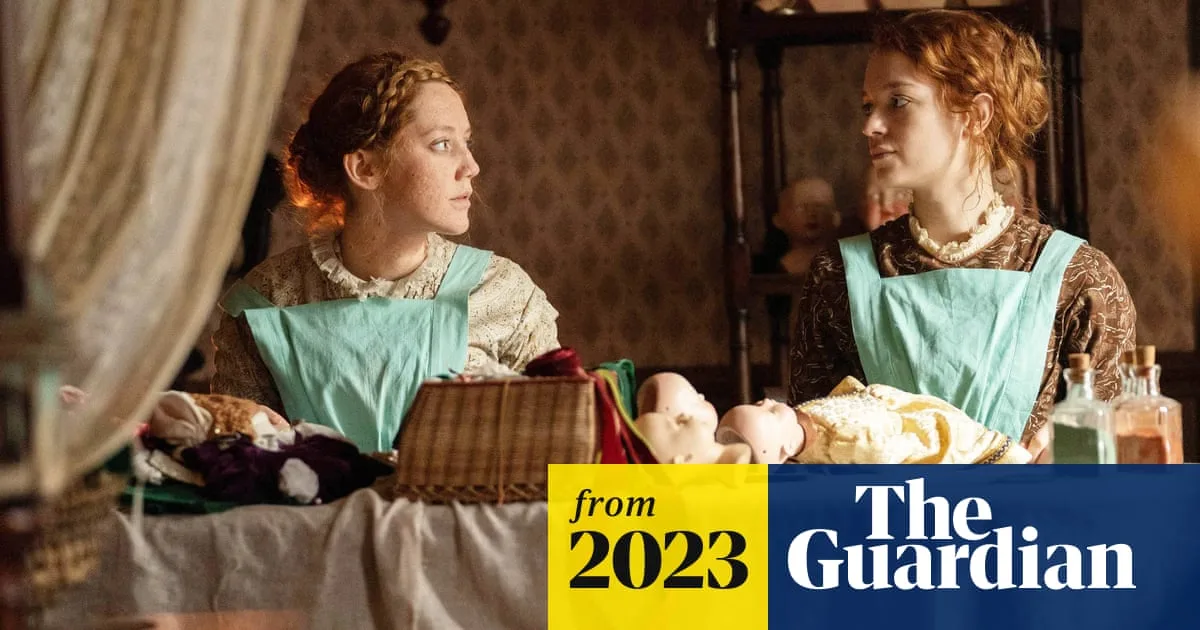
Paramount’s new six-part series The Doll Factory, adapted from Elizabeth Macneal’s best-selling novel, has drawn a mixed response from viewers. The period drama follows Iris Whittle, a young woman who paints porcelain dolls in 1850s London, as she navigates a world where women are often objectified and consumed by men.
The show’s narrative weaves together gothic elements, including taxidermy and vivisection, as Iris attracts the attention of both the sinister Silas Reed and a group of Pre-Raphaelite artists. Her decision to become a life model for the enigmatic Louis Frost sparks tension with her reclusive sister Rose and raises questions about her safety amid a series of disappearances.
Critics have praised the series’ atmospheric visuals and strong performances, but some viewers have found its slow-burning pace and gruesome scenes divisive. The show builds to a theatrical finale, offering a twist on conventional period drama, though it may lose those seeking faster storytelling. With its vivid imagery and creeping dread, The Doll Factory has cemented itself as a talked-about entry in the genre.