Gianfranco Rosi's Naples: A Psychogeographic Portrait Beyond the Postcard
Gianfranco Rosi's Naples: A Psychogeographic Portrait

Gianfranco Rosi's Naples: A Psychogeographic Portrait Beyond the Postcard

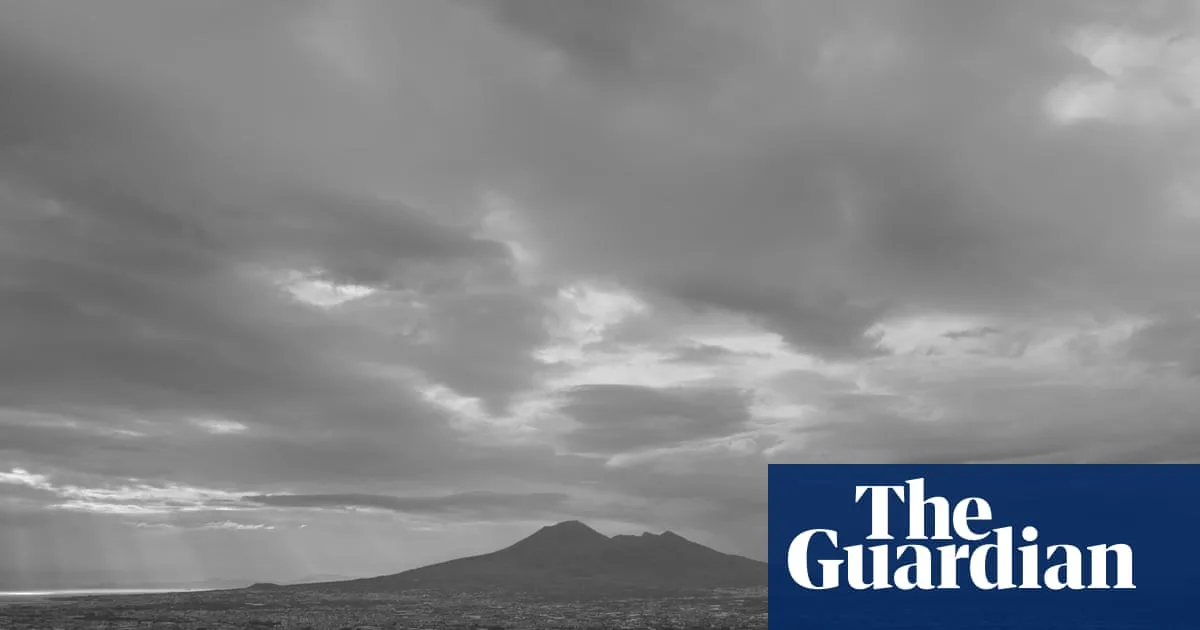
Acclaimed Italian documentary filmmaker Gianfranco Rosi, renowned for his poetic and award-winning portraits of Italian locales, has completed his trilogy with Pompei: Below the Clouds. This latest work, set in Naples, diverges sharply from popular depictions of the city, offering a stark, black-and-white vision that explores the psychological landscape of its inhabitants under the shadow of Mount Vesuvius.

A Trilogy of Place and Perception

Rosi, 62, has solidified his status as one of Europe's foremost documentary-makers with films that delve deeply into specific environments. His 2013 film Sacro GRA, which won the Golden Lion at the Venice Film Festival, examined the lives along Rome's ringroad. In 2016, Fire at Sea earned the Golden Bear at the Berlinale for its poignant study of Lampedusa during the refugee crisis. With Pompei: Below the Clouds, Rosi turns his lens to Naples, aiming to capture a city that exists beyond the typical tourist imagery.

"I started this film with very little awareness of Naples," says Rosi, who spent his childhood in Eritrea and Turkey and studied film in New York. "I was a tourist in a city that everybody loves, but I tried also to capture a Naples that is not immediately there." This approach aligns him with British psychogeographers like Iain Sinclair and Patrick Keiller, focusing on the emotional and psychological undercurrents of urban spaces.

Wide Pickt banner — collaborative shopping lists app for Telegram, phone mockup with grocery list

An Alien Landscape Haunted by Vesuvius

Shot entirely in black and white, Pompei: Below the Clouds presents Naples as a frontier settlement on an alien planet, dominated by the ominous presence of the Campanian volcanic arc, including Vesuvius and the Phlegraean Fields. The film eschews familiar tropes such as pizza, mafia, or Maradona murals, instead immersing viewers in a world where the ground trembles with uncertainty.

The extraterrestrial atmosphere is enhanced by an innovative saxophone soundtrack from Oscar-winning British composer Daniel Blumberg, who created otherworldly sounds by playing his instrument through an underwater speaker and re-recording it on Naples' beaches. A significant portion of the film unfolds in the control room of the Naples fire brigade, where residents call in panic or curiosity after feeling seismic shifts. "Was that an earthquake?" one caller asks impatiently, echoing the film's tension between fear and anticipation of catastrophe.

Characters of Devotion and Drama

Rosi's documentary introduces a diverse cast of Neapolitans, each portrayed with a dramatic quality that blurs the line between documentary and fiction, though Rosi insists nothing is staged. Characters include Titti, a street teacher instructing pupils from his antiques shop; Maria, a conservator at the National Archaeological Museum tending to ancient sculptures with maternal pride; Japanese archaeologists meticulously excavating the Villa Augustea; and a Syrian ship captain navigating perilous waters with Ukrainian grain.

"Vesuvius became like a mythical figure to me, a deity," Rosi reflects, having spent four years in Naples. "It's like Shiva – a destroyer but also a regenerator. The volcano destroyed Pompeii, destroyed 3,000 years of history, but also preserved it under the ashes." This duality permeates the film, exploring themes of poverty, violence, and war through intimate human stories.

Political Undertones and Human Empathy

As in his previous works, Rosi weaves together characters whose preoccupations resonate with broader political issues. Below the Clouds touches on social strife, as seen in scenes of firefighters battling blazes started by disaffected youth or a woman trapped by a drunken husband. Yet, amidst the doom, Rosi finds a thread of empathy and devotion. "All the characters in the film have this quality, a kind of secular devotion. I believe that that is where civilisation starts," he says, highlighting how figures like the Syrian captain risk their lives to transport essential goods.

Pickt after-article banner — collaborative shopping lists app with family illustration

The film culminates in a reflection on Naples' historical role as a grain distributor in the Roman empire, preventing wars through abundance sharing—a metaphor for contemporary resilience. Pompei: Below the Clouds is set for release on Mubi on 27 March, offering a profound meditation on a city living in the shadow of both natural and human-made tremors.