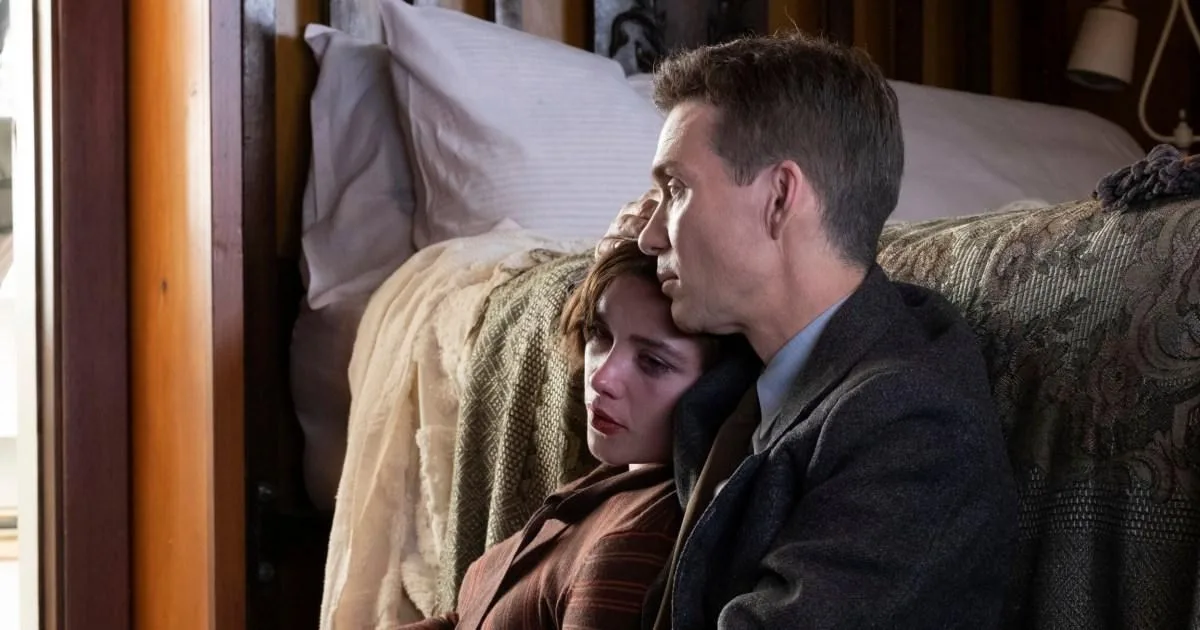
Eight years ago, Netflix gave queer women the love story they deserved with the series Atypical. The show, which premiered its second season in September 2018, follows the Gardner family, centering on Sam, a teenager with autism, as he navigates high school and college. However, it was the relationship between his sister Casey (Jack Haven) and her track teammate Izzie (Fivel Stewart) that became a landmark moment for sapphic representation on screen.
A Slow-Burn Romance That Resonated
Casey, a talented runner, earns an athletic scholarship to a fancy prep school at the start of season two. There, she meets Izzie, the captain of the track team, and their initial hostility quickly evolves into a deep friendship. Unlike many shows that tease queer relationships without following through, Atypical fully committed to the arc. By the end of season two, the pair grapples with their feelings in a slow-burn narrative, culminating in a tender moment where they hold hands.
For many viewers, including newly-out queer women, this depiction felt authentic. The disorientation, epiphany, and natural connection between Casey and Izzie resonated deeply. The moment they gently grazed pinky fingers was so impactful that some fans, like the author, had to pause the TV and process the emotion.

Nuanced Storytelling in a YA Context
In season three, the romance deepens. Izzie confesses her feelings to Casey on the track field, leading to a kiss that fans celebrated. The relationship is messy and flawed, but that complexity is what makes the representation feel layered. Both characters struggle with their identities and societal perceptions, with Izzie often withdrawing into herself. This up-and-down dynamic mirrors the real experience of confronting one's sexuality as a teenager.
The show also avoids making the romance the sole focus of the plot. Casey’s existing relationship with her boyfriend Evan adds tension, and the couple’s journey includes misunderstandings and growth. By the end of season four, their story ends on an ambiguous note, which felt appropriate for a first love that may not last forever.
Lasting Impact in a Changing Landscape
At the time of its release, Atypical was one of the few shows to depict a sapphic teen relationship in a meaningful way. Today, with Netflix and other streaming services frequently cancelling shows centered on bisexual and lesbian characters, the series feels even more special. Casey and Izzie’s story deserves a place in the hall of fame alongside other groundbreaking queer relationships, such as Tara and Willow in Buffy, Leighton in The Sex Lives of College Girls, Taissa and Van in Yellowjackets, and Shelby in The Wilds.
As one fan reflected, the representation in Atypical provided a sense of validation and joy that remains rare in mainstream media. The show’s commitment to a nuanced, slow-burn romance between two young women continues to resonate eight years later.