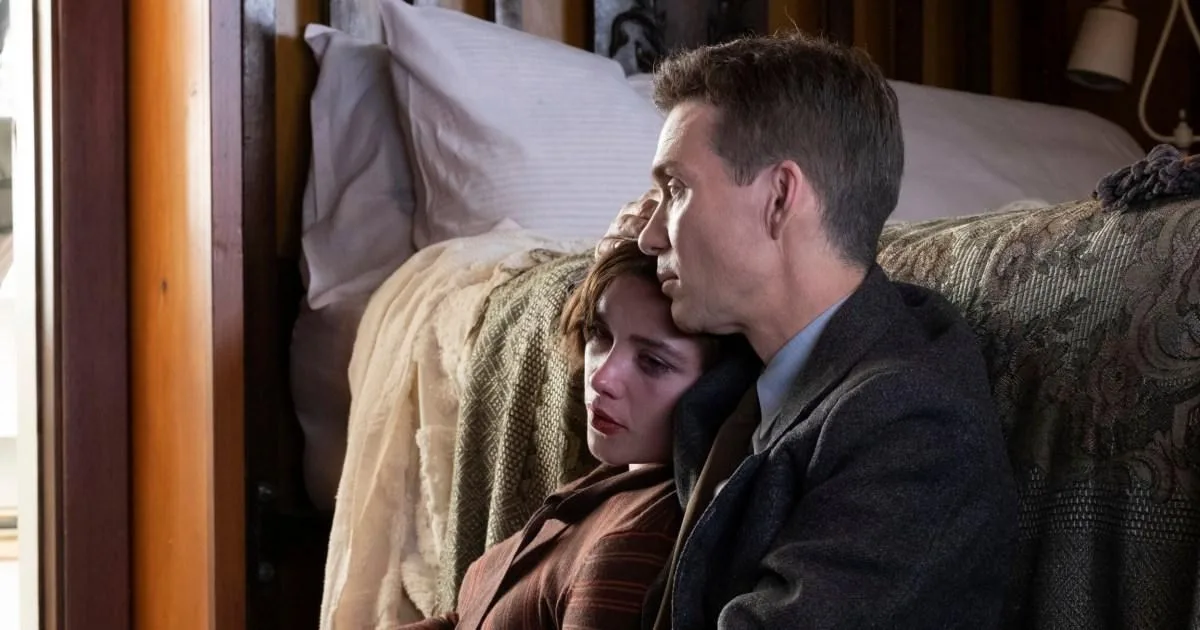
Predicting box office success is notoriously difficult, and even acclaimed films can fail to recoup their budgets. From dystopian thrillers to cult classics, many movies have been unfairly labelled as flops upon release, only to find appreciation later.
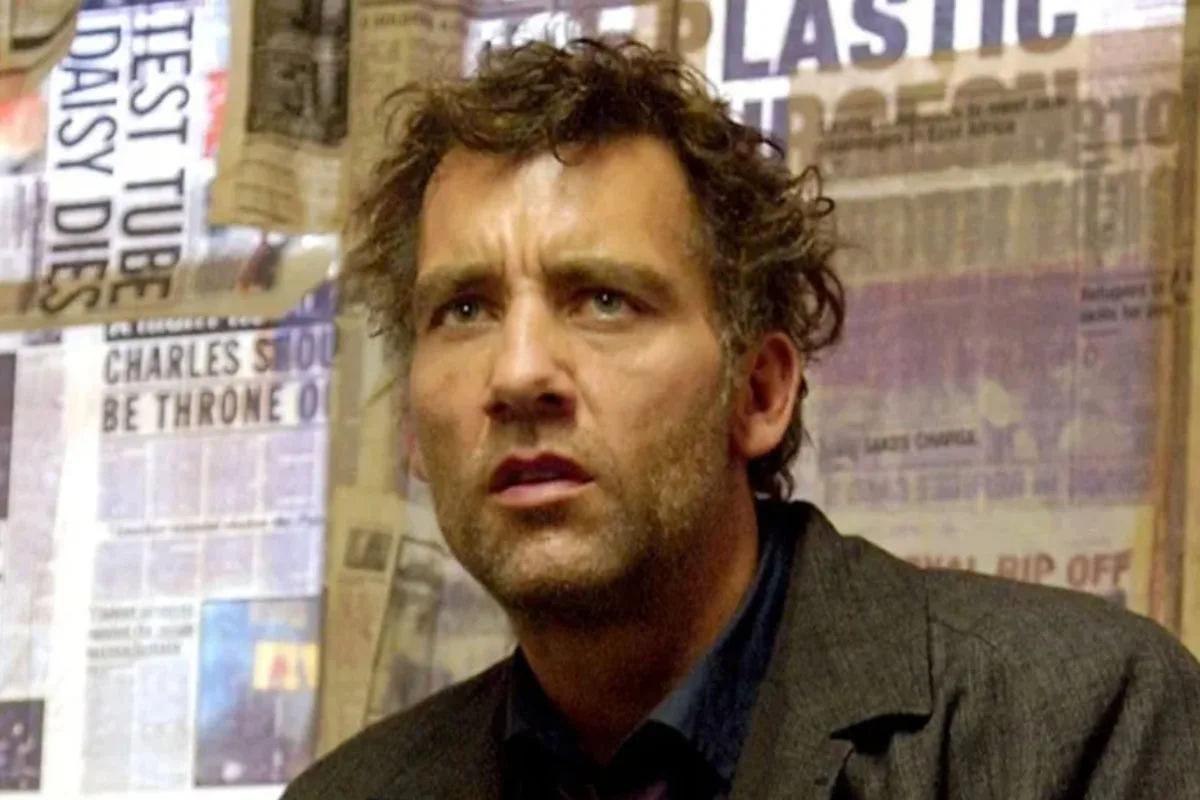
Among the notable examples is Alfonso Cuarón's 'Children of Men' (2006), a dystopian thriller starring Clive Owen that failed to make back its budget despite now being considered one of the best films of the 21st century. Similarly, 'Donnie Darko' (2001) grossed just over $7.5m worldwide on a $4.5m budget, partly due to its marketing campaign featuring a plane crash scene shortly before 9/11, but later gained a cult following on DVD.
Other films that struggled include 'Blade Runner' (1982), which only made $10.5m more than its $30m budget in the US before becoming a word-of-mouth hit globally, and 'The Assassination of Jesse James by the Coward Robert Ford' (2007), which recouped only half of its $30m budget but found love on home video. 'Babylon' (2022), a three-hour debauched drama, also bombed despite positive reviews, possibly due to poor marketing or its lengthy runtime.

Michael Mann's cyber thriller 'Blackhat' (2015) earned just $19.7m against a $70m budget, while 'Event Horizon' (1997) grossed $26.7m on a $60m budget. Spike Lee's 'Clockers' (1995) took only $13m from a $25m budget, and Peter Berg's 'Lone Survivor' (2013) fell more than $30m short of its $156m budget. Orson Welles' 'Citizen Kane' (1941), now a beloved classic, failed to recoup costs and lost the Best Picture Oscar to 'How Green Was My Valley'.
Thanks to streaming services, films that initially bombed can now find audiences years later on platforms like Netflix and Prime Video, proving that box office figures don't always reflect a film's true quality.