Unveiling the True Origins of St Patrick's Day
St Patrick's Day, observed annually on March 17, is a global celebration marked by vibrant parades, the wearing of green, and festive gatherings. However, the historical roots of this holiday trace back to a remarkable figure whose life story is often shrouded in myth and legend.
The Early Life of St Patrick: From Briton to Slave
St Patrick, the patron saint of Ireland, was not Irish by birth. He was a Roman Briton born in the fifth century. At the tender age of 16, he was kidnapped and enslaved in Ireland, a traumatic experience that would shape his future path. After enduring years of captivity, he managed to escape and return to his family in Britain.
Missionary Calling and Legacy in Ireland
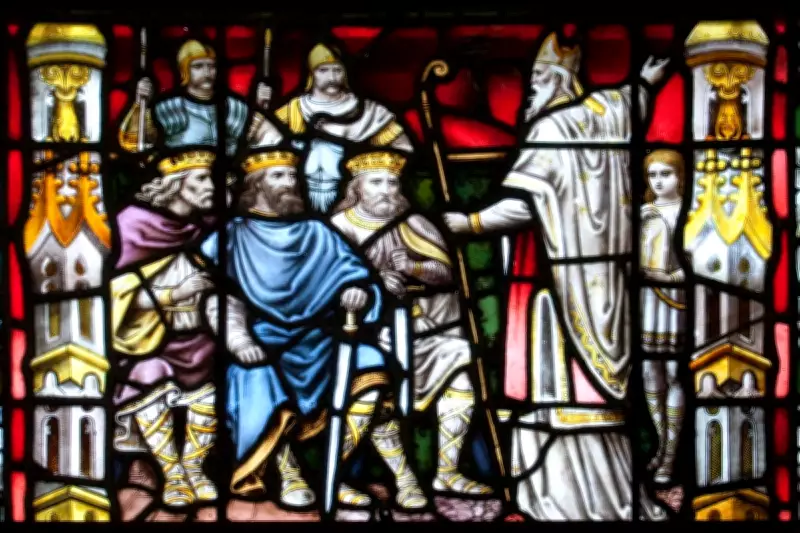
Despite the hardships of his past, St Patrick felt a profound spiritual calling to return to Ireland as a missionary. He became a bishop and played a pivotal role in establishing the Christian Church across the island. His efforts to convert the Irish people, including a notable confrontation with King Loegaire, are well-documented in his own writings, the Confessio and Epistula.

Commemoration and Traditions on March 17
March 17 is celebrated as St Patrick's feast day, commemorating his death and legacy. Over time, this religious observance has evolved into a cultural festival with traditions such as:
- Grand parades in cities worldwide
- Wearing green clothing and accessories
- Enjoying Irish music and dance
While popular folklore often attributes him with driving snakes out of Ireland or using the shamrock to explain the Holy Trinity, these are later embellishments not supported by historical records.
Recognition and Historical Significance
Although St Patrick was never formally canonised by the Catholic Church through a modern process, he was widely recognised as Ireland's apostle by the eighth century. By the ninth century, his feast day was officially mandated for celebration, solidifying his status as a national hero. His writings provide a rare firsthand account of his struggles and dedication, offering invaluable insights into early Christian history in Ireland.
Today, St Patrick's Day serves as a testament to his enduring influence, blending religious reverence with cultural pride in a celebration that resonates far beyond Irish shores.