Pancake Day 2026: A Deep Dive into Shrove Tuesday's Rich History
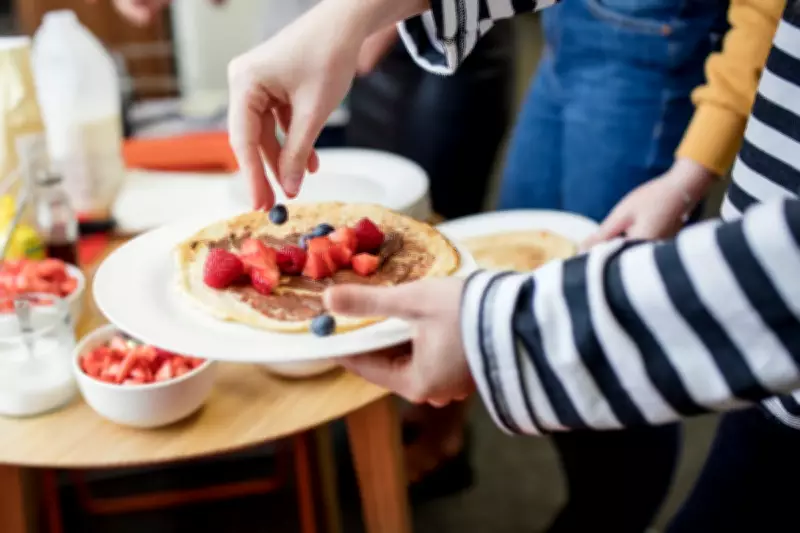
As Tuesday 17 February 2026 approaches, households across Britain are preparing for the annual celebration of Pancake Day, also known as Shrove Tuesday. This year's observance arrives notably earlier than previous celebrations, prompting enthusiasts to gather their essential batter ingredients in advance. Whether you prefer delicate crepe-style pancakes or the thicker, fluffier variations popular in Scotland and the United States, this culinary tradition unites countless individuals worldwide in a final indulgence before the Christian period of Lent.
The Significance and Timing of Shrove Tuesday
Shrove Tuesday, universally recognized as Pancake Day, occurs precisely one day before Ash Wednesday, which marks the commencement of the Christian observance of Lent. This forty-day period of abstinence precedes Easter, a movable feast in the Christian calendar. Ash Wednesday represents the final opportunity for those observing Lent to enjoy richer foods before commencing their period of restraint, should they choose to participate in this religious practice.
Throughout centuries of tradition, communities have embraced pancake consumption to signify the beginning of Lent, primarily to utilize ingredients that would become prohibited during the forthcoming forty days. This practical origin explains how the celebration earned its distinctive name. Since Pancake Day consistently falls forty-seven days before Easter Sunday, its specific date fluctuates annually on the Gregorian calendar.

According to historical records from Historic UK, the term Shrove Tuesday originates from Anglo-Saxon Christian practices of confessing sins before Lent, thereby becoming shriven of transgressions. Internationally, numerous countries including France, Germany, and the United States recognize the day before Lent with Mardi Gras celebrations. Translated from French as Fat Tuesday, these festivities frequently involve elaborate Carnival activities and extravagant parades.
Historical Origins of Pancake Day Traditions
The custom of eating pancakes to herald Lent's arrival has been documented in Britain since approximately the sixteenth century. The Encyclopedia of Traditional British Rural Sport clarifies that this tradition emerged because pancake ingredients—particularly eggs, butter, and fat—were typically forbidden during Lenten observance. In certain parishes, church bells would ring at noon as a signal for communities to commence frying their pancakes, a practice that evolved into the renowned Pancake Bell tradition still maintained in some parishes today.
While pancake consumption on Shrove Tuesday has been customary for several centuries, marking Lent's commencement before Ash Wednesday possesses even deeper historical roots. The Anglo-Saxon Ecclesiastical Institutes, reportedly translated by writer Abbot Aelfric around 1000 AD, describe how Christians would confess sins during the week preceding Lent so that the confessor shall so shrive him as he then may hear by his deeds what he is to do regarding penance. Centuries later, during the sixteenth-century Western Christian Reformation movement, Shrovetide—the celebratory period before Lenten fasting—would extend across approximately one week.
Contemporary Pancake Day Celebrations
The primary focus for many participants remains the enthusiastic consumption of delicious pancakes. However, numerous communities also engage in pancake racing, an activity involving competitive races while flipping pancakes in frying pans. Historical accounts suggest this tradition originated in 1445 when a woman, distracted while preparing pancakes, heard church bells summoning the community to confession. She reportedly dashed from her home toward church while still clutching her frying pan containing a pancake.
In various British regions, Pancake Day celebrations include participation in mob football matches. This centuries-old tradition, though less common today, involves teams kicking balls along public roads. Villages such as Atherstone in Warwickshire continue preserving this unique custom despite its declining popularity elsewhere.

From simple crepes adorned with sugar and lemon juice to fluffy pancakes embellished with chocolate spread and banana slices, creative pancake recipes offer endless possibilities for Shrove Tuesday culinary experimentation. Whether seeking vegan and gluten-free options, perfecting British versus American styles, or exploring innovative combinations like chocolate-coconut-banana pancakes, enthusiasts can discover numerous inspiring recipes to enhance their Pancake Day experience.