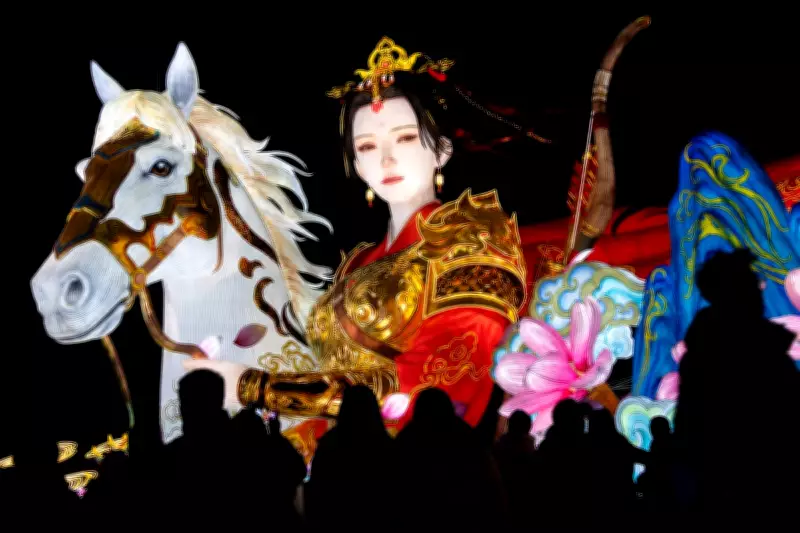
As the Year of the Fire Horse charges into view, Chinese customs dictate a series of strict prohibitions to secure good fortune for the coming months. Karen Gray, embracing her inner Chinese auntie, warns that arguing today could spell conflict for the entire year ahead. This festival, marking the start of the lunisolar calendar, demands adherence to age-old rituals to welcome positive energies like health and wealth.
The Critical First Days of Lunar New Year
Growing up in a Chinese family in Singapore, Gray's year was punctuated by traditional celebrations, with the lunar new year standing out as a pinnacle of ritual observance. The spring festival, as it is also known, begins with the new moon and concludes at the full moon, spanning fifteen days of symbolic practices. Gray focuses particularly on the initial two days, meticulously following a lengthy list of dos and don'ts passed down through generations.
Why Sweeping and Hair Care Are Forbidden
According to Chinese tradition, dusting or sweeping is strictly prohibited throughout the entire fifteen-day period. Engaging in these activities risks sweeping away good fortune and prosperity, potentially dooming one's financial luck. While Gray admits to being less stringent after the first couple of days, she steadfastly avoids haircuts for the full season. The Chinese word for hair is a homonym for prosperity, meaning that cutting hair could sever wealth and fortune. Similarly, washing hair on the first day is taboo, as it might wash away the blessings the year holds.

Additional customs include wearing red attire to attract good luck and ward off evil spirits, while avoiding black and white, colours associated with mourning. Disposing of rubbish or lending money is also discouraged, as these acts could break connections with prosperity, allowing it to flow away indefinitely. Crying and arguments on the first day are believed to foreshadow conflicts throughout the year, emphasizing the need for harmony and positivity.
Preparations and Symbolism of the Fire Horse
The week leading up to the new year is filled with intense preparations, such as meal planning and thorough cleaning, to set the stage for renewal. The Year of the Fire Horse, according to Chinese metaphysics, embodies momentum and bold transformation, yet it is also considered unruly and combustible. This rare combination of the horse zodiac and fire element creates an intense energy that some find overwhelming, with one friend remarking it makes them want to lie down.
Cultural Practices and Deities
Gray recalls childhood practices like eating vegetarian food during new and full moons, a tradition rooted in Buddhist culture. Chinese mythology features numerous deities, such as the Goddess of Mercy and the Kitchen God, akin to Christian saints who oversee specific domains. The obsession with the God of Money, highlighted by comedian Ronny Chieng, underscores the cultural emphasis on prosperity. Rituals like rolling a pineapple into a new home symbolise the arrival of good fortune, blending humour with deep symbolic meaning.
Myths and legends are woven into daily customs, such as avoiding pointing at the moon out of respect for the Moon Goddess or never placing groceries on the floor to honour food and prevent bad luck. These practices combine commonsense hygiene with spiritual beliefs, reinforcing the idea that blessings must be treated with care.
The Rise of Chinamaxxing and Cultural Identity
While scrolling through Instagram, Gray encountered the trend of Chinamaxxing, where individuals embrace Chinese culture more fully. Initially uncertain if it was racism or appropriation, she now sees it as a celebration, popularised by figures like Chinese-American TikTok creator Sherry Zhu. This movement has brought attention to traditional Chinese medicine, warm water benefits, and medicated oils, making Gray more self-aware of her own habits, such as drinking warm water privately.
Her evolution into a Chinese auntie accelerated during perimenopause, when she turned to remedies like dong quai and expanded her collection of medicated oils, adhering to the belief that more application alleviates pain. Food and wellness are intertwined in Chinese culture, with ingredients like cucumber considered cooling and fried foods heaty, emphasizing the importance of yin-yang balance.

Embracing Chinese Heritage in a Western Context
Living in London for over twenty-five years, Gray has sometimes struggled to express her Chinese identity under Western scrutiny. However, the curiosity of Gen-Zers embracing Chinese culture through Chinamaxxing has been liberating, encouraging her to live authentically. She hopes this trend endures beyond the Year of the Fire Horse, allowing people to discover the richness of Chinese history and diaspora.
Gray notes that her Straits-Chinese heritage includes specific customs, and she cautions that Chinese culture is not monolithic, with diverse dialect groups and traditions. Her ancestors from Hong Kong, Taiwan, and Fujian settled in Singapore and Indonesia, preserving their language and customs while integrating locally. This highlights how migrant groups can maintain their ancestral soul while adapting to host cultures.
Ultimately, Gray advocates for greater appreciation of Chinese culture's breadth and nuance. Perhaps the Fire Horse will inspire a multicultural revolution, fostering coexisting identities—as long as no one cuts their hair, preserving the prosperity it symbolises.