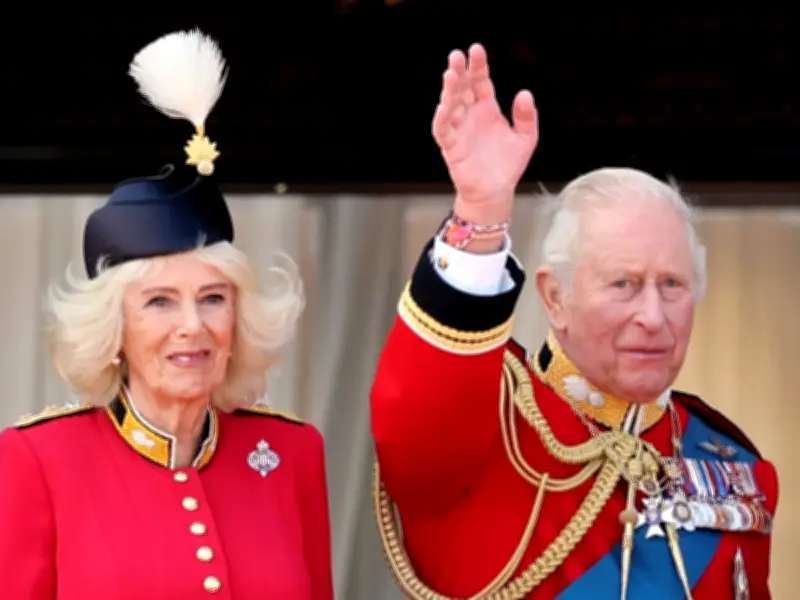
King Charles III has confirmed he will never reside at Buckingham Palace, despite a £369 million taxpayer-funded renovation of the historic building. The monarch and Queen Camilla will continue to live at Clarence House in London, while Buckingham Palace will remain the operational centre of the monarchy, known as 'monarchy HQ.' The decision ends a nearly 200-year tradition of the sovereign living at the palace, which began with Queen Victoria in 1837.
Refurbishment Nears Completion
The decade-long renovation project at Buckingham Palace is set to finish in 2027. The temporary uplift to the Sovereign Grant, which funded the work, will then cease. In 2026-27, the overall grant, including renovation funds, stands at £137.9 million. From 2027-28, the core grant will be £99.9 million—almost double the £51.8 million core grant in 2024-25, and a significant increase from £72.1 million in 2025-26. The Royal Trustees, including outgoing Prime Minister Keir Starmer, Chancellor Rachel Reeves, and King's Keeper of the Privy Purse James Chalmers, decided on a new formula: from 2027-28, the Sovereign Grant will be 20.5% of Crown Estate net profits for five years, up from 12%.
Royal Aides Defend Decision
A palace spokesperson stated: 'His Majesty retains huge affection for Buckingham Palace and a deep respect for its role in royal and public life. It will be a buzzing hive of royal activity in every other way.' The palace will continue to host state visits, investitures, and garden parties, welcoming thousands of guests annually. The King and Queen also maintain residences in Scotland, Gloucestershire, Norfolk, and use Windsor Castle.
Funding Boost and Criticism
The core funding of the monarchy has ballooned to nearly £100 million a year, almost doubling in three years. Aides said the boost covers maintenance backlog, cyber security, and energy-efficient heating, with £11 million set aside for boiler replacements at Windsor Castle. James Chalmers insisted the funding was 'not a blank cheque.' However, former Privy Council member Norman Baker criticised: 'The Royal Family is proving hugely expensive. If Charles wants to have his slimmed-down monarchy, there should be a slimmed-down bill to the taxpayer to go with it.' He added: 'It seems that a lot of money has just been wasted. If Charles doesn’t want to live at Buckingham Palace that’s fine, but it should be totally opened up full-time with all the ticket sales going back to the treasury to pay for the refurbishment work. It’s outrageous.'
Royal Tax Transparency
In a historic move, Charles has revealed his private tax payments. He paid £12.9 million in 2024-25 and £11.7 million in 2023-24, totalling over £30 million since becoming King in 2022. The Prince of Wales contributed £7.76 million in income and capital gains tax in 2024-25, and £8.34 million in 2023-24. William has also agreed to forgo the £1.5 million annual rent from the abandoned Dartmoor Prison, with the money directed to local community regeneration from 2026-27.
Prince William's Wealth and Future Plans
For the first time, the Duchy of Cornwall accounts show William's net worth at £1.2 billion, exceeding the King's personal fortune of £640 million, as listed in the Sunday Times Rich List. William and Kate have moved to an eight-bedroom mansion on the Windsor estate, with a long-term lease costing £307,200 a year. Sources suggest they have no intention of living at Buckingham Palace or Kensington Palace when William becomes King.
Travel and Gender Pay Gap
The royal family spent over £3 million on travel in the year to March 2026. William's three-day visit to Saudi Arabia in February 2026 cost £130,106, while the King and Queen's state visit to Italy in April 2025 cost £126,946. Helicopter journeys totalled £733,063 for 177 trips, averaging £4,000 per journey. Buckingham Palace has closed the gender pay gap to a mean of 4.29%, well below the national average of 12.8%. Female employees make up 54% of staff, a record. However, ethnic minority representation fell slightly from 12.1% to 11.9%, below the target of 18%.