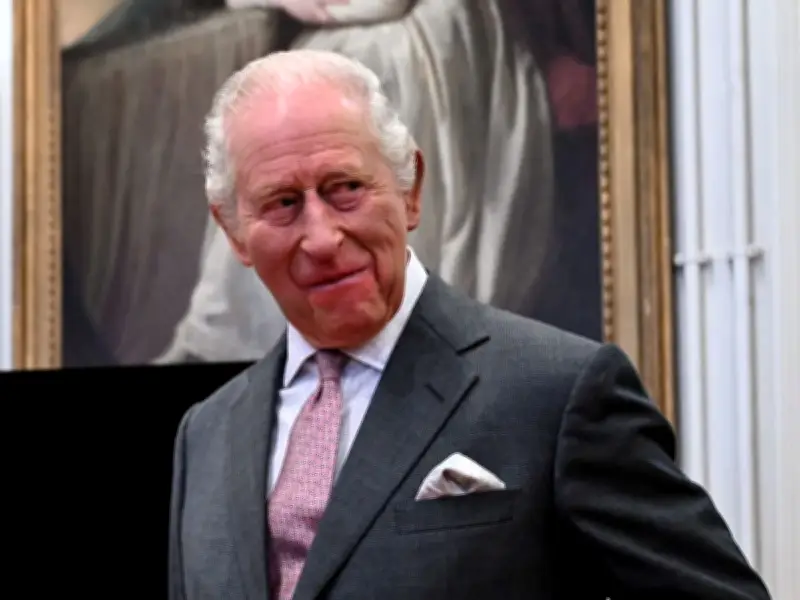
King Charles is reportedly set to pay the new 'mansion tax' on qualifying royal residences from April 2028, despite the Crown being exempt from the annual property surcharge. The decision follows the precedent set by his mother, Elizabeth II, who voluntarily began paying income tax and capital gains tax in the 1990s, a move Charles later followed.
Background of the High-Value Council Tax Surcharge
Rachel Reeves announced the high-value council tax surcharge (HVCTS) in her final Budget as chancellor in 2025. Around 165,000 homes in England are expected to be affected, with owners facing annual charges of between £2,500 and £7,500.
Royal residences have different ownership arrangements. Buckingham Palace and Windsor Castle are held on behalf of the Crown, while Sandringham and Balmoral belong privately to Charles, who inherited them from his mother.
Tax Disclosure and Crown Exemption
In a bid to promote greater transparency following increased scrutiny of royal finances, Buckingham Palace chose to disclose the King's personal tax bill in June. The disclosure, described as an "historic first", showed Charles paid £12.9m in tax in 2024-2025.
The Crown's exemption is set to remain under the surcharge "consistent with the wider tax system", according to a Treasury source. Government guidelines state: "The Crown is not within the scope of the taxing acts and can claim total relief unless an Act specifically makes it liable."
Qualifying Properties and Other Royals
Discussions over which royal properties would qualify for the exemption are reportedly ongoing. This is to be made by Parliament rather than the royal. Similar to the Crown, Ministers living in official residences such as No 10 will not have to pay the charge themselves. After the 2025 Budget, the Government confirmed the responsibility would sit with owners.
Other members of the royal family could also face a mansion tax bill, depending on whether they own their homes or hold a long lease. For Prince William, that could mean picking up a bill for his father's country home. Charles has used Highgrove in Gloucestershire since 1980, but the property belongs to the Duchy of Cornwall, which William now holds as Duke. The prince's own tax payments were made public earlier this year, with Kensington Palace revealing he paid £7.76m in income tax in 2024-25.
Potential Liabilities for Other Royals
Other royals could also face charges on their homes. Princess Anne owns Gatcombe Park in Gloucestershire, given to her by the late Queen as a wedding present in 1976. Prince Edward leases his £30m Bagshot Park home from the Crown Estate. But because the agreement lasts 150 years, responsibility for the surcharge could fall to him.
William and Kate's lease on Forest Lodge could put them in a different position. Their agreement for the eight-bedroom Windsor Great Park home lasts 20 years - just one year below the threshold for a long lease. The couple paid £42,000 in stamp duty on the agreement, but any mansion tax liability would sit with the Crown Estate.