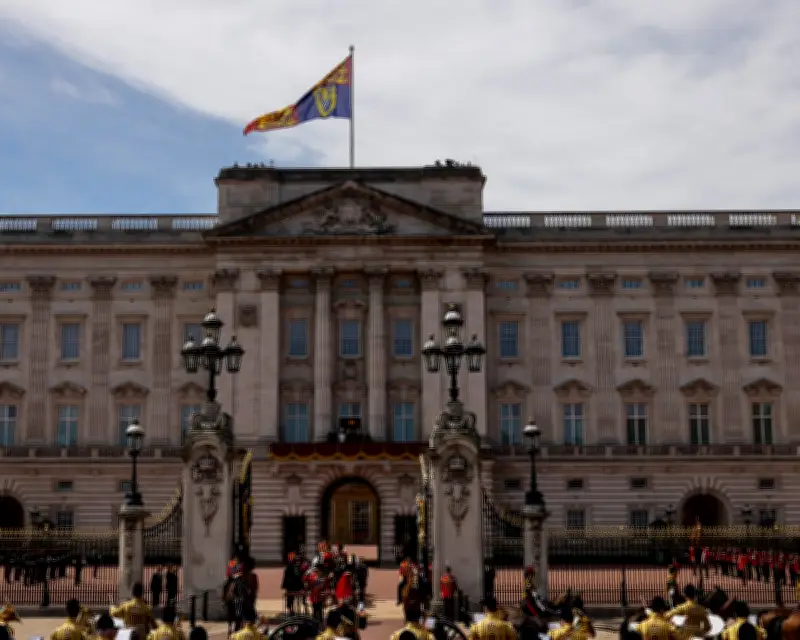
King Charles III and Queen Camilla have decided not to take up residence at Buckingham Palace after its £369 million refurbishment is completed, according to palace officials. The monarch and his wife will continue to use Clarence House as their primary London home and Windsor Castle for weekend retreats, marking a significant shift in royal living arrangements.
Refurbishment Details
The 10-year renovation project, which began in 2017, aimed to modernise the palace's ageing infrastructure, including replacing 100-year-old electrical wiring, plumbing, and heating systems. The work also involved upgrading the palace's 775 rooms, including 52 royal and guest bedrooms, 188 staff bedrooms, 92 offices, and 78 bathrooms. The cost has risen from an initial estimate of £369 million to over £400 million due to inflation and unforeseen structural issues.
According to a palace source, the decision was made to avoid the disruption of moving into a building that will still be a major tourist attraction and official venue. The palace will continue to host state banquets, investitures, and other ceremonial events, but the King and Queen will not live there permanently.
Historical Context
Buckingham Palace has been the official London residence of the British monarch since Queen Victoria's accession in 1837. Previous monarchs, including Queen Elizabeth II, used it as both a home and office. However, Charles has long expressed a preference for Clarence House, where he lived as Prince of Wales for nearly two decades.
The decision aligns with the King's vision of a more modern, cost-effective monarchy. The palace will remain the administrative headquarters and a symbol of the Crown, but the royal family's living arrangements will be more flexible.
Financial and Practical Implications
The refurbishment is funded by the Sovereign Grant, which is based on a percentage of the Crown Estate's profits. The decision not to live in the palace is expected to save on running costs, estimated at over £1 million per year for utilities and maintenance alone. However, some critics argue that the palace should be opened more fully to the public to offset expenses.
“The King believes that the monarchy must adapt to modern times,” said a royal commentator. “This move is both practical and symbolic, reflecting a desire for a leaner, more efficient royal household.”
The palace will continue to be used for official functions, and the public will have greater access to the state rooms during the summer opening. The King and Queen will stay at the palace occasionally for official events but will not maintain private apartments there.
Reactions
The decision has drawn mixed reactions. Some traditionalists lament the break with centuries of tradition, while others applaud the cost-saving measure. A Buckingham Palace spokesperson said: “The King and Queen will continue to use Buckingham Palace for official duties, but their private residence will remain Clarence House. This arrangement allows the palace to be fully utilised for national events and public access.”