Prince Harry's Friend Condemns 'Spiteful' Security Decision as Duke Faces New Setback
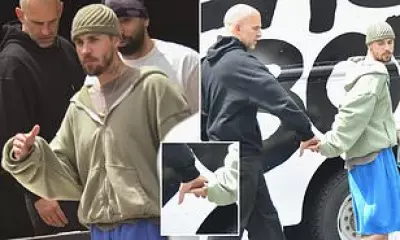
Prince Harry's close friend, Alex Rayner, has launched a scathing attack on the decision to deny the Duke of Sussex automatic police protection when he visits the United Kingdom, labelling it as 'spiteful'. Rayner, an Eton-educated associate who accompanied Harry on a charity trek to the North Pole and remains in contact with him, has voiced his concerns publicly, arguing that other members of the Royal Family receive security despite doing 'far less'.
Background of the Security Dispute
Prince Harry was stripped of his automatic police protection in Britain after he and his wife, Meghan Markle, stepped back from their roles as working royals and relocated abroad. This move has sparked a lengthy legal battle, which Harry ultimately lost. Following the appointment of Home Secretary Shabana Mahmood, Harry submitted a formal request for a risk assessment to the Executive Committee for the Protection of Royalty and Public Figures (Ravec). This assessment is currently underway, but the outcome remains uncertain.
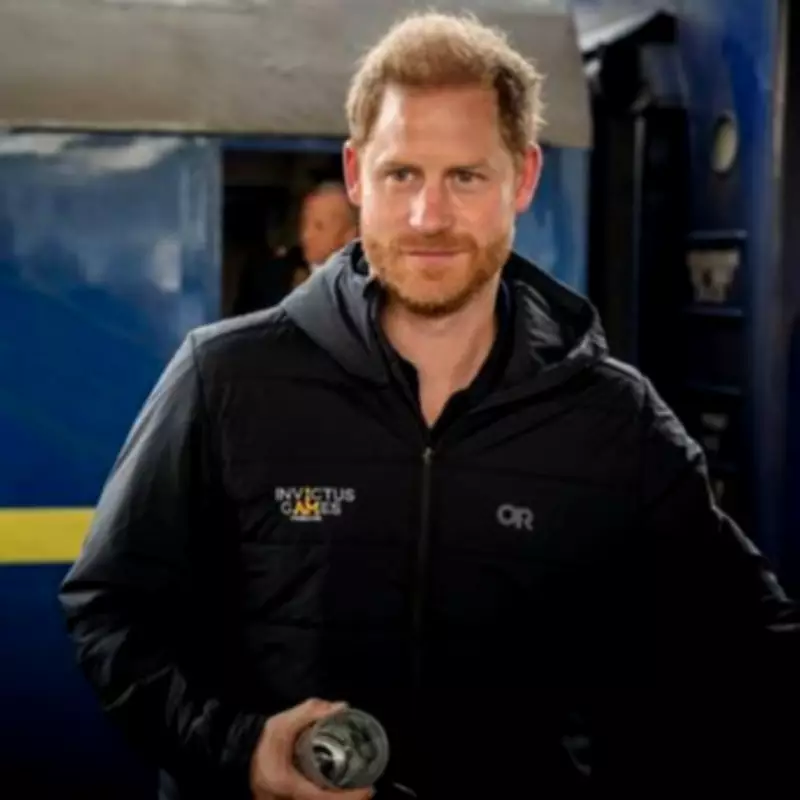
In an interview with the Daily Mail, Rayner emphasised Harry's vulnerability, citing his two tours of duty in Afghanistan while serving in the Army. He stated, 'To ask him to pay for it privately feels a tiny bit spiteful, given that there are other members of the Royal Family who receive it who do far less.' Rayner also highlighted the upcoming Invictus Games in Birmingham, questioning whether the UK is failing to support Harry for this event.

Internal Split and Public Backlash Concerns
Earlier this year, reports suggested that Harry was on the verge of having his armed police protection restored during UK visits, with confidence in a positive outcome from the assessment. However, recent claims indicate a significant split within Ravec. Senior civil servants from the Home Office, Cabinet Office, and Foreign Office are reportedly opposed to granting police protection, fearing a public backlash over taxpayers funding the security.
According to The Telegraph, no final decision has been made, but a source revealed, 'There is nervousness among certain members of the committee who fear a public backlash. The political side believes there is too much political risk, while the police and security chiefs believe that he absolutely must have it due to the extant threat.' This internal conflict adds complexity to Harry's ongoing security concerns.
Harry's Personal and Legal Struggles
During his previous High Court case, Prince Harry argued that the security situation in the UK made it 'impossible' for him to safely bring Meghan and their children, Prince Archie and Princess Lilibet, back to his home country. In an interview after the Court of Appeal's judgement last May, he described the decision as a 'good old-fashioned establishment stitch-up' and told the BBC, 'For the time being, it’s impossible for me to take my family back to the UK safely.'
Harry expressed his sadness over the situation, saying, 'I love my country I always have done, despite what some people in that country have done. So you know? I miss the UK, I miss parts of the UK. Of course I do. And I think that it’s really quite sad that I won’t be able to show my children my homeland.' Currently, Harry must notify the Metropolitan Police a month in advance of any UK travel, with security needs assessed on a case-by-case basis, a process his lawyers have argued puts his life 'at stake'.
Official Response and Ongoing Implications
A Home Office spokesperson reiterated the government's stance, stating, 'The UK government's protective security system is rigorous and proportionate. It is our long-standing policy not to provide detailed information on those arrangements, as doing so could compromise their integrity and affect individuals' security.' This response underscores the delicate balance between transparency and security in such high-profile cases.
The ongoing dispute highlights broader issues of royal security, public funding, and personal safety, with Prince Harry's situation serving as a focal point for debates on fairness and risk assessment within the establishment.