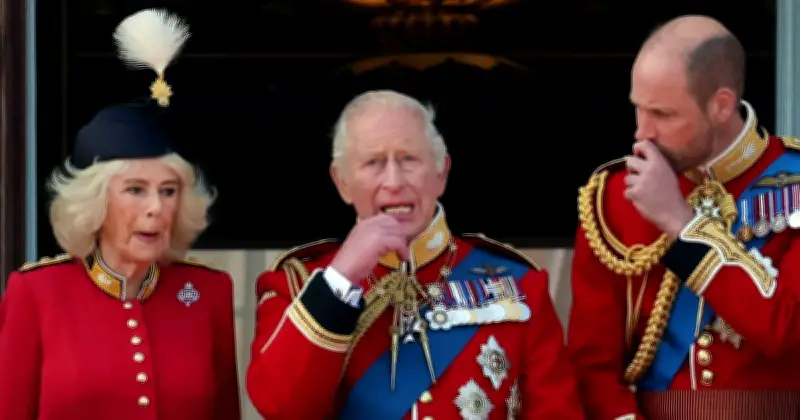
King Charles and Prince William will not take up residence at Buckingham Palace after its £369 million refurbishment is completed next year, marking the end of 189 years of continuous royal occupancy. The monarch will remain at Clarence House, his home since marrying Queen Camilla in 2005, while the palace continues as the administrative headquarters of the monarchy.
Decision Driven by Practicality and Access
Officials say the landmark decision will allow greater public access to the historic building and its grounds. The King and Queen, both in their late 70s, reportedly wanted to avoid the upheaval of moving themselves and their staff across London. Security concerns also played a role: if the King resided at Buckingham Palace, visitor numbers and accessible areas would be restricted.
Buckingham Palace has been the official London residence of the sovereign since Queen Victoria's accession in June 1837. The current 10-year refurbishment, costing taxpayers £369 million, has been ongoing since 2017. Despite the investment, royal accounts confirmed the King will not move in once work finishes next year.
Opportunity to Boost Revenue and Reduce Public Funding
Opening the palace more extensively could generate significant tourist income and reduce the Sovereign Grant, the annual taxpayer-funded sum for the monarchy. Currently, the State Rooms are open to visitors each summer and on selected dates, with proceeds going to the Royal Collection Trust. Expanding year-round access could allow millions more to explore the palace, potentially enabling a reduction in the public subsidy.
Both King Charles and Prince William already pay substantial taxes voluntarily. Reducing the taxpayer burden could silence republican critics, according to commentators. The palace, with 775 rooms and 75 bathrooms, remains a global tourist attraction and a symbol of British heritage.
Historical Context and Future Plans
Originally built as Buckingham House in 1703 for the Duke of Buckingham, the property was acquired by George III in 1761 as a private residence for Queen Charlotte. It was enlarged in the early 19th century with three wings around a central courtyard. Prince William, as future King, is expected to follow his father's example and not reside at the palace.
The decision has sparked debate about the monarchy's future and its relationship with the public. While some lament the end of an era, others see it as a chance to modernise and increase transparency. The palace will continue to host state occasions and royal celebrations, remaining the focal point for national events.