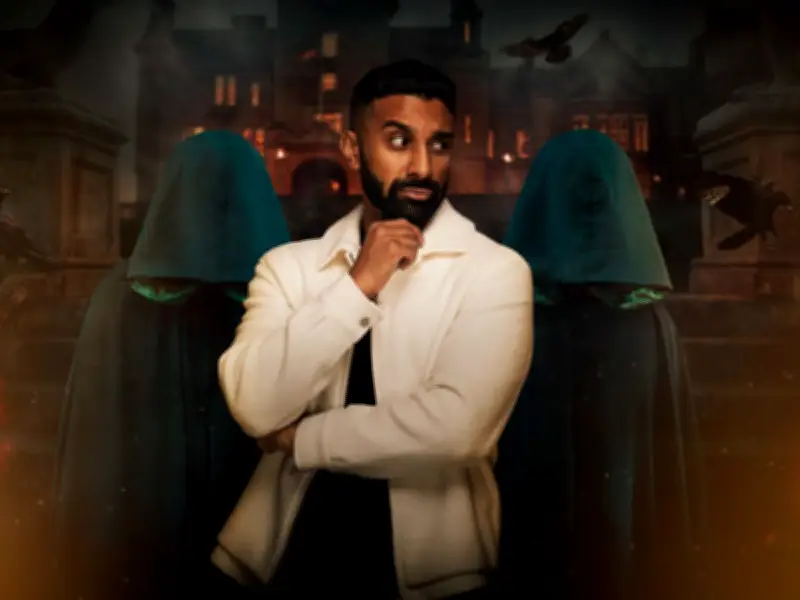
Three reality stars from some of the UK's most beloved reality TV shows have laid bare the secret production tricks used to keep audiences captive. Speaking at the National Reality TV Awards, Jaz Singh, Rajan Gill, and Richard Storry offered insider perspectives on how shows are crafted to retain viewers.
Jaz Singh on The Traitors
Jaz Singh, who appeared on The Traitors' second season and earned the nickname 'Jazatha Christie' after correctly deducing that Harry Clark was a traitor, explained that producers invest significant effort into shaping reality TV. “Reality isn’t reality anymore. It’s what we perceive reality is,” he told The Mirror. He recalled watching the first season of The Apprentice and called it “raw, unedited, not produced in any sort of way.”
He noted it was “weird to see how things have changed” by the time he was on The Traitors in 2024. However, he praised the show for bringing together people from diverse backgrounds: “That’s the beauty of traitors, no matter where you’re from, ethnicity, race, it doesn’t matter. It’s so random, we’re just a random bunch of people put up in a castle, and automatically, you start getting on with people that you wouldn’t normally think, ‘I’d get on with you.’” He also admitted being “hooked on Love Island” and compared the two shows: “Love Island and Traitors are very similar, it’s just Traitors in swim shorts and bikinis. It’s a game of emotional intelligence.”
Rajan Gill on The Apprentice
Rajan Gill, who was on The Apprentice's 20th series earlier this year, observed changes in the show. “Lord Sugar has definitely gotten softer. He’s sweetened up a bit. Watching it as a kid, people used to get grilled in the boardroom. Not saying we didn’t get grilled, but there’s been some significant, good changes,” he said. He also predicted a shift toward streaming platforms, noting that shows like Love is Blind and The Secret Lives of Mormon Wives eschew public participation for drama between stars. “Reality TV in the future will definitely be a lot more streaming involved. Less of crowd participation, live events, stuff like that. Which I think is a bit of a shame. I’m a bit more old school, I prefer the real life interactions with crowds.”
Richard Storry on Big Brother
Richard Storry, Big Brother's oldest winner at age 60, agreed that the genre is evolving due to public preferences. He pointed to his own win as evidence of a shift in casting. “I think reality TV is taking over from traditional programming. Big Brother was the first of its kind and it seems to be sticking to its original roots, although I think, since you’re talking to the oldest ever winner of Big Brother, the producers have put their thinking caps on a bit,” he said. During his time on the show last autumn, Richard was one of only four out of 17 contestants over the age of 30. Many viewers felt the show had focussed too much on younger contestants, with one saying: “He encompasses what big brother IS about and i hope this encourages the casting team next series to get more diverse with age ranges and isn’t mostly made up of 20+ year olds again.”