Netflix Documentary on Lucy Letby Sparks Ethical Debate Over Arrest Footage
Netflix has ignited a significant ethical controversy with its latest documentary exploring the crimes of convicted serial killer Lucy Letby. The streaming giant's production has come under intense scrutiny for its decision to include bodycam footage showing police officers arriving at Letby's family home to arrest her in June 2019.
Unprecedented Access to a Chilling Case
The documentary, which was granted what producers describe as "unprecedented access" to the case, delves into the horrific crimes committed by Letby while she worked as a neonatal nurse at the Countess of Chester Hospital. The 36-year-old is currently serving 15 life terms for the murders of seven babies and the attempted murders of seven others between 2015 and 2016.
In November 2020, Letby faced formal charges of seven counts of murder and fifteen counts of attempted murder relating to seventeen infants under her care. The Netflix production features interviews with multiple individuals connected to the case, including:
- The mother of one of Letby's victims
- Senior detectives from Cheshire Police
- Letby's barrister, Mark McDonald, who has applied to the Criminal Cases Review Commission for an appeal
Family's Devastating Response
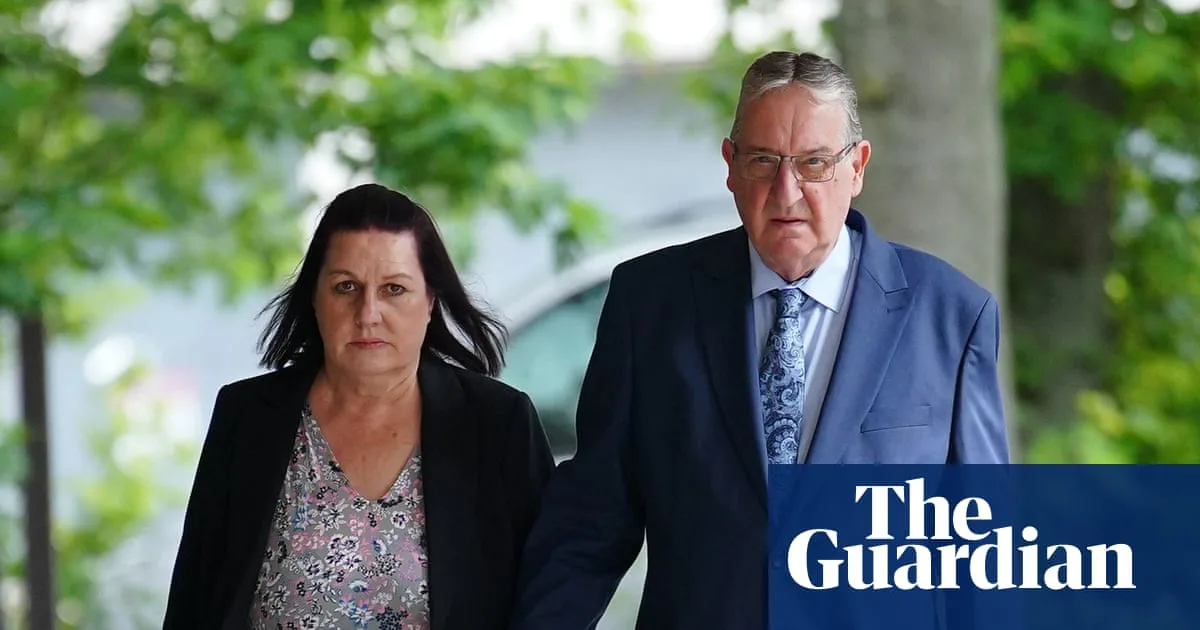
Letby's parents, Susan and John, have issued their first public statement since their daughter's arrest, expressing profound distress about the documentary's content. In an interview with The Times, they revealed they had no prior knowledge that footage from inside their family home would be included in the production.
The parents described the clip showing their pyjama-clad daughter being confronted by officers in her bedroom as a "complete invasion of privacy". They stated unequivocally that they have no intention of watching the documentary, saying it would "kill us" to view such personal and distressing material.
Compounding Existing Trauma
"The previous programmes made about Lucy, including Panorama and the almost nightly news showing her being brought out handcuffed in a blue tracksuit are heartbreaking for us," the couple explained in their statement. "However, this Netflix documentary is on another level. We had no idea they were using footage in our house."
They expressed particular distress about discovering images of their daughter being arrested in her bedroom and saying goodbye to one of her beloved cats. "Heaven knows how much more they have to show," they added, highlighting their concern about living in a small cul-de-sac where everyone knows each other.
Broader Implications and Concerns
The family raised serious concerns about the potential consequences of such intimate footage being broadcast globally. "All this taking place in the home where we have lived for 40 years," they stated. "Will our house become a tourist attraction like Lucy's in Chester? We will find out the following day when everything is plastered over the papers and the news will be full of it."
They emphasised that while their daily suffering is significant, it pales in comparison to what their daughter experiences, yet they must continue living in their community amidst this renewed media attention.
Ethical Questions for Documentary Makers
The controversy raises important questions about:
- The ethical boundaries of documentary filmmaking
- The balance between public interest and personal privacy
- The responsibility of media companies when dealing with sensitive criminal cases
- The impact on families of convicted individuals
The inclusion of such intimate arrest footage, particularly without the family's knowledge or consent, has sparked debate about whether Netflix crossed an ethical line in pursuit of compelling television. The documentary's approach to this sensitive case continues to generate discussion about appropriate boundaries in true crime storytelling.