A decade after her untimely death from cancer at just 62, a poignant new film is shedding light on the profound private struggles that shadowed the unparalleled career of Victoria Wood, a true titan of British comedy. While the nation cherished her as a fearless, ebullient performer, "Becoming Victoria Wood" reveals a woman perpetually haunted by insecurity and a lonely upbringing.
The Chasm Between Public Brilliance and Private Torment
Victoria Wood's catalogue of work reads like a masterclass in British humour: from her early topical songs on the BBC's That's Life! to the iconic Acorn Antiques, the record-breaking solo shows at the Royal Albert Hall, and the beloved sitcom Dinnerladies. Her wit, captured in classics like The Ballad of Barry and Freda, made her a national treasure. Yet, away from the spotlight, she was racked with anxiety and a debilitating lack of confidence.
The film details how she was convinced she was "fat, ugly and frumpy", constantly fearing her talent was fading. Bouts of depression left her unable to function, and she was tormented by the idea of ending her career presenting travelogues, living on past glories. Her fierce privacy meant few saw this vulnerability; she even moved house to avoid her local newsagent after he criticised a TV show.

A Lonely Childhood and Fraught Ascent
"Becoming Victoria Wood" delves deeper than before into her isolated childhood in Bury, Lancashire. The youngest of four, she described herself as an "afterthought". Her mother, she claimed, had no sense of humour and was often depressed. Her father, a part-time novelist, encouraged her piano playing, but friends recall a windswept, bleak house where parents were rarely seen.
Schoolfriends reveal she would ask to be dropped at the bottom of the hill to walk home alone. In her loneliness, she turned to food. This sense of emotional neglect later fuelled her art, echoing in sketches about indifferent parents. "I think she was neglected, really," Wood later said of her younger self.
Her professional breakthrough was anything but smooth. After reaching the final of New Faces (where the host called her 'Joanna'), one judge told her her act was outdated. Even her big break on That's Life!, writing and performing songs for 20 million viewers at age 23, was followed by a long, depressive spell of unemployment.
The Rock That Crumbled and a Relentless Perfectionist
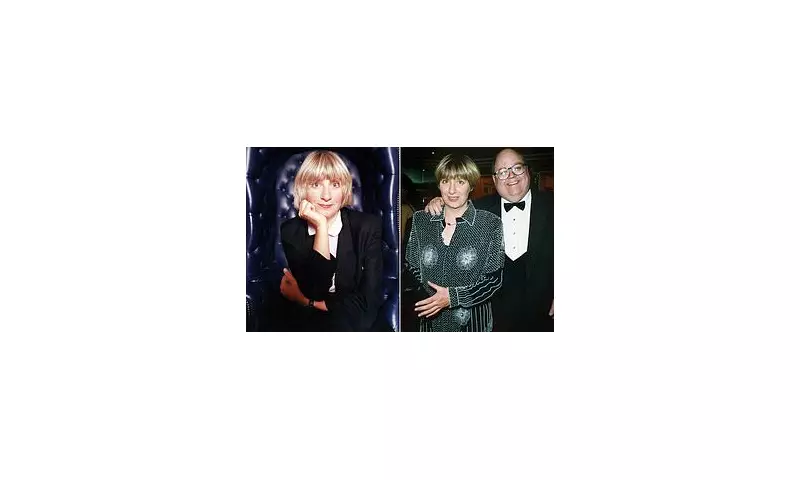
Her marriage to magician Geoffrey Durham in 1980 was a quiet affair with spaghetti on toast for the wedding breakfast. He was her rock, critic, and typist for 22 years, but the marriage ultimately broke down. Wood admitted to friends she was "difficult to live with" and never pursued another serious relationship.
This perfectionism extended to her work. On the set of Dinnerladies, she was known to be ruthlessly strict, making numerous changes between dress rehearsal and filming. Co-star Anne Reid noted she "had no bedside manner" and could not bear imperfection. Yet, this relentless drive forged comedy of timeless quality.
The film, which opened in cinemas and will air on U&Gold next month, paints a complex portrait of a genius who gave the nation immense joy while wrestling with profound personal demons. It confirms that Victoria Wood, the poet of ordinary British life, was indeed without equal—both in her extraordinary talent and in the hidden battles she fought to share it with the world.