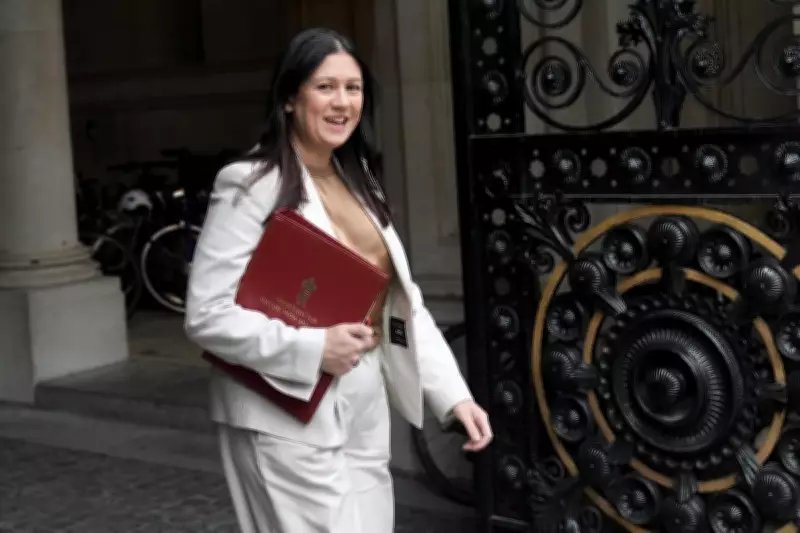
Culture Secretary Lisa Nandy has unveiled significant plans to overhaul the BBC charter, signalling a major shift in the broadcaster's governance and future stability. Speaking at the Society of Editors conference, Ms Nandy praised the BBC as "an engine for the whole nation" and declared that the current charter would be the "last of its kind."
Ending the Political Football
Nandy argued that the BBC is as essential to the health of democracy as the NHS is to public health, and should not face the risk of ceasing to exist if charter renewal is not agreed upon. The current charter, which sets out the BBC's public purpose and expires in December 2027, has been described by outgoing director-general Tim Davie as making the corporation a "political football." This term highlights how the BBC's fate often becomes entangled in political debates and negotiations, undermining its independence and long-term planning.
Strengthening Public Accountability
In addition to removing the 10-year time limit, the government intends to strengthen the accountability of BBC leadership to the public, rather than politicians. This will be achieved by enhancing transparency on licence fee spending and commissioning power. Nandy emphasized that these changes aim to "future-proof" the organisation through "stormy times," ensuring it remains a cornerstone of British media and democracy without constant political interference.

The proposed reforms seek to provide the BBC with greater stability and autonomy, allowing it to focus on its public service mission. By shifting accountability mechanisms towards the public, the plans aim to reduce partisan pressures and foster trust in the broadcaster's operations. Nandy's remarks underscore a commitment to preserving the BBC's role as a vital national institution, free from the cyclical uncertainties of charter renewals.