Lovejoy Episode Solves Decade-Old Theft of Napoleon III Tomb Artefacts
In a remarkable twist worthy of television drama, a classic episode of the BBC series Lovejoy has cracked a real-life mystery involving stolen artefacts from Napoleon III's tomb. More than three decades after the show's finale, its influence continues to resonate in the conservation world.
Dealer's Discovery Through Television
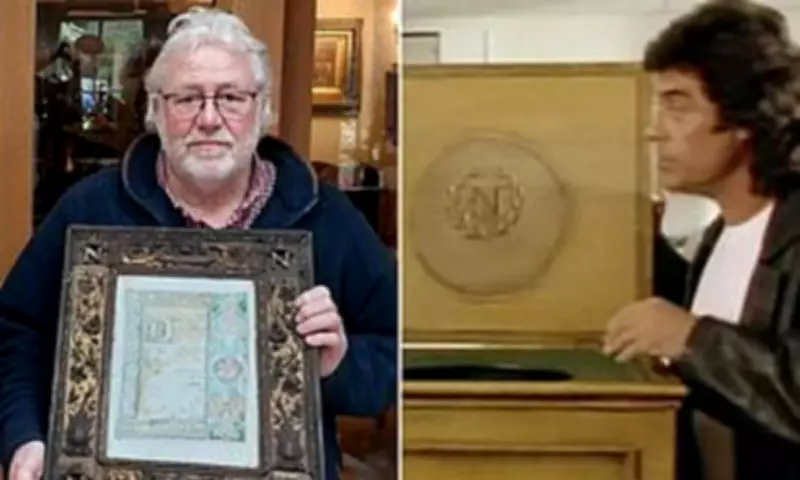
Antique dealer Paul Gostelow experienced a wave of inspiration while watching a repeat of the beloved comedy-drama. He recognised two altar plaques missing from the French emperor's crypt after spotting distinctive identifying marks on screen. The items had been handed to him by the Army, who discovered them in a nearby field, but their true significance remained unknown until this television revelation.
Remarkably, Paul knew them to be from the Napoleonic era due to the ball and crown in the corner of the frame - which he recognised from an episode of the 90s Brit TV series Lovejoy, explained a police spokesman. Subsequent investigation with the International Stolen Arts Register confirmed they were indeed the stolen items.

Historical Significance and Recovery
The wooden prayer frames date back to the 19th century and were stolen in February 2014 from St Michael's Abbey in Farnborough. Napoleon III, nephew of Napoleon Bonaparte, fled to England in 1871 after losing the Franco-Prussian war and being captured by Germans. He died in 1873, and seven years later his widow Empress Eugenie purchased a house in Farnborough and built St Michael's Abbey as a monastery.
The abbey includes the Imperial Mausoleum containing the remains of her husband and their son, also named Napoleon, who died in the Zulu War in 1879. In 2023, Roger Karoutchi, deputy speaker of the French senate, called for Napoleon III's remains to be returned to France, noting he remains the only sovereign buried abroad.
Police Operation and Restoration
Hampshire Constabulary officers travelled 150 miles to Derbyshire to recover the artefacts from Mr Gostelow's home. PC Mark Webb successfully returned them to St Michael's Abbey for restoration and eventual return to their original place in the crypt.
A spokesman for St Michael's Abbey expressed gratitude, stating: The cards bore illuminated Latin texts used in the course of the Catholic mass, and also texts of handwritten prayers discovered in the wallet on the prince's body. Although the cards have returned in a poor condition, the Abbot and community are, nonetheless delighted at their return.
Ongoing Investigation and Cultural Impact
Police continue to pursue several lines of inquiry to locate a third plaque that remains missing. This case highlights the enduring cultural impact of Lovejoy, which starred Ian McShane as the rogue antiques dealer who used his keen eye for valuable items to help those in need. The series first aired on BBC1 in 1986, spanning 71 episodes across six seasons before its 1994 finale.
The recovery demonstrates how popular media can unexpectedly contribute to historical preservation, bridging entertainment and real-world conservation efforts in unexpected ways.