Dubai Celebrities Face Backlash for 'Tone-Deaf' Social Media Posts After Iranian Missile Strikes
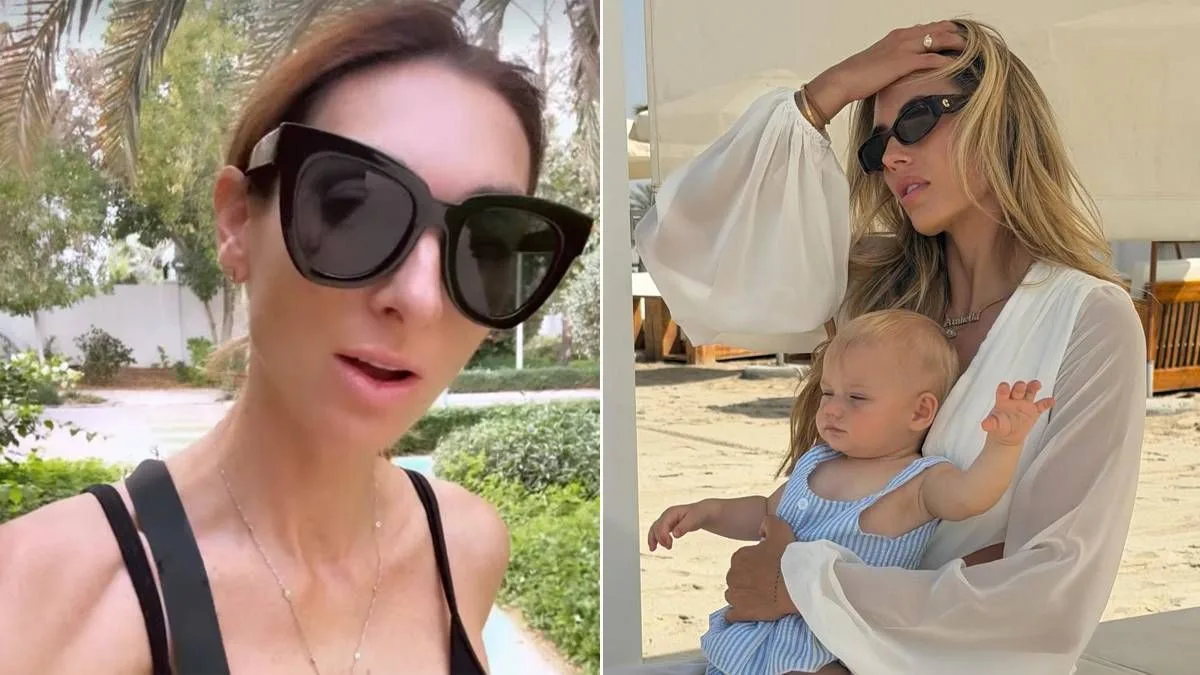
Celebrities and influencers based in Dubai have ignited a firestorm of controversy with their perceived 'tone-deaf' reactions to Iranian missile strikes that targeted the United Arab Emirates over the weekend. Stars such as Kate Ferdinand and Luisa Zissman were compelled to seek shelter as missiles struck the city, with the British Embassy issuing urgent advisories for residents to 'shelter in place'. Terrifying scenes unfolded across the luxury destination, including footage showing missile debris impacting the iconic Burj Al Arab hotel.
Rapid Return to Normalcy Sparks Public Fury
Despite the chaos and danger, many celebrities swiftly resumed their social media activities, portraying life as if nothing had happened. Love Island's Arabella Chi posted poolside photographs, while Luisa Zissman shared images of herself shopping at Zara. In a particularly jarring moment, Katie Price's husband filmed himself trying on clothes in a Dubai shopping mall, drawing widespread criticism for insensitivity during a crisis.
Praise for UAE Government Amidst Conflict
Some stars, like Laura Anderson, who left Dubai early, still took to social media to express effusive gratitude towards the UAE government. Anderson declared, 'Thank you to the UAE government for protecting us and continuing to protect my friends and family.' This coordinated praise has raised eyebrows, with experts suggesting it may be part of a broader influence operation.
Golden Visa Scheme and Incentives Under Scrutiny
Dubai offers influencers and content creators a Golden Visa scheme, granting residency for up to ten years. Commentator Richard Osman noted that individuals are being 'massively incentivised' to promote the city, while journalist Marina Hyde highlighted a 'dark side' where residents avoid criticising authorities to maintain their status.
Expert Analysis Points to Propaganda Elements
Research fellow Katja Muñoz, speaking to the Financial Times, described the social media response as having 'a touch of propaganda'. She characterised it as 'an influence operation' that emerged within just sixty hours of the strikes, suggesting a strategic effort to shape public perception and downplay the severity of the attacks.
The backlash underscores growing concerns about the role of celebrities in geopolitical conflicts and the ethical implications of their public statements during times of crisis.