The Shaggs: How a Forced Sister Act Became Rock's Most Divisive Cult Band
The Shaggs: Rock's Most Divisive Cult Band Story

The Shaggs: How a Forced Sister Act Became Rock's Most Divisive Cult Band

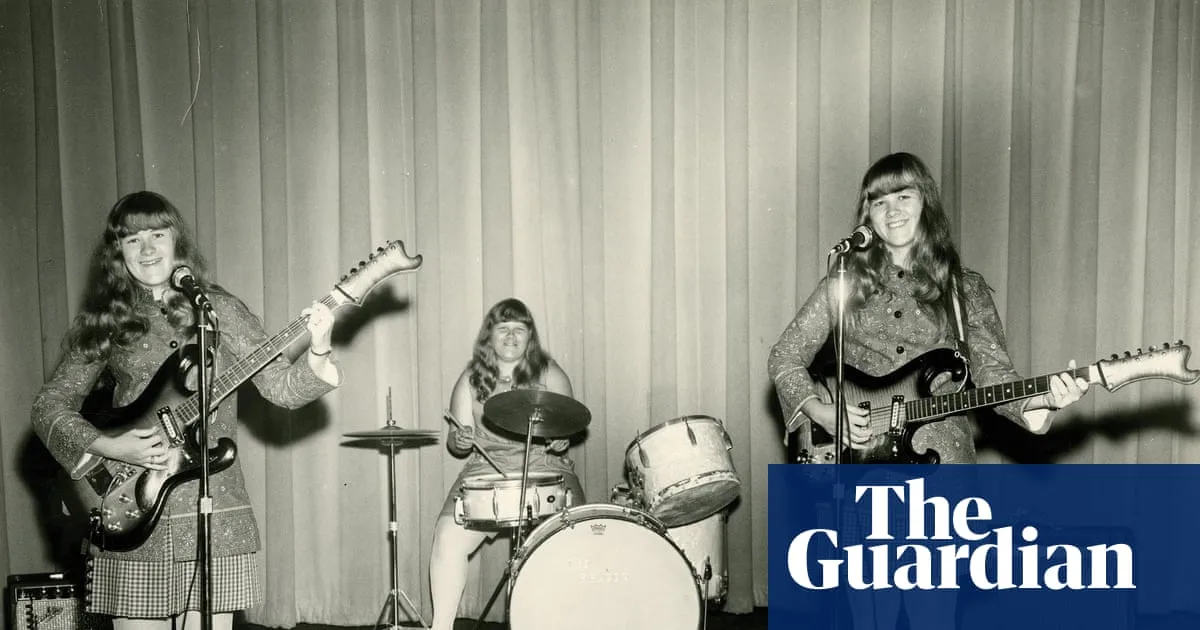
In 1968, a group of sisters from Fremont, New Hampshire, known as the Shaggs, began a musical journey that would defy all conventions. Often completely out of tune and rarely in time, they were propelled into the spotlight not by choice, but by the domineering will of their father, Austin Wiggin Jr. A new documentary, We Are the Shaggs, delves into their extraordinary story, celebrating how they became one of rock's most polarising and beloved cult bands.

A Prophecy Forced into Reality

Austin Wiggin Jr's life was shaped by a palm reading from his mother, who predicted he would have two sons, marry a strawberry blonde, and see his daughters form a popular band. By 1965, the first two predictions had come true, leading Austin to withdraw his daughters—Dorothy, Betty, and Helen—from school to pursue musical superstardom. He imposed a strict daily regime of mail-order homework, calisthenics, and relentless band practice, effectively barring them from any other life. The sisters were rarely allowed to leave home, except for church, shopping, and weekly gigs at the Fremont town hall, where they played to peers they never got to know.

Betty Wiggin, now 75, reflects on the isolation: "We missed out on a lot. I grieve that a little bit. When you hear people talk about high school—'You know how it was in gym class'—well, I have no idea." Their mother, Dot, supported their father's wishes without expressing her own feelings, adding to the family's complex dynamic.

Wide Pickt banner — collaborative shopping lists app for Telegram, phone mockup with grocery list

An Accidental Avant-Garde Legacy

The Shaggs' sole studio album, Philosophy of the World, released in 1969, became a landmark of unintentional avant-garde music. Packed with perplexing beats and motifs, it sounds as if the sisters are playing different songs simultaneously. Dorothy 'Dot' Wiggin, 77, admits, "We thought our guitars were in tune. I guess that shows how much we didn't know." Despite this, the album garnered a cult following, with critics and fans divided over its raw, unconventional style.

Musician Jesse Krakow, a self-proclaimed "Shaggs purist," notes that the album features complex musical forms like hemiola and ritardandos, reminiscent of artists such as Frank Zappa and Stravinsky. The Shaggs' naivety about basic music rules created a unique sound that provoked both wonder and horror. A critic from LA's Album Network compared it to "a mass murder, too horrible to comprehend," yet Kurt Cobain listed it among his five favourite albums.

Freedom and Rediscovery

When Austin died of a heart attack in 1975, the Shaggs immediately disbanded. Helen had already been kicked out for marrying behind his back at age 28. Betty recalls, "She was stronger than most of us because she's the one that went out and found a boyfriend." The sisters sold most of their gear and rarely discussed their band days, taking on cleaning and caretaker jobs while building families. "It was different, trying to start without music," Betty says, "but we did go to work and meet people, got married."

Fate intervened when Frank Zappa discovered a copy of Philosophy of the World at a Boston radio station and declared the Shaggs "better than the Beatles." The album gained wider recognition after saxophonist Keith Spring of NRBQ found it in a record store, leading to a reissue in 1980. This sparked a resurgence, with publications like The Village Voice hailing it as a rock'n'roll landmark and Rolling Stone calling it "the most stunningly awful wonderful record."

Legacy and Reflection

Today, the Shaggs' songs have millions of listens on Spotify, and their story has inspired an off-Broadway play. Dot and Betty reunited for gigs in 1999 and 2017, surprising themselves with mobs of fans. Director Ken Kwapis aims to "humanise and dignify" the sisters in We Are the Shaggs, encouraging viewers to set aside prejudices. "Making the film taught me to check my prejudices at the door," he says.

Pickt after-article banner — collaborative shopping lists app with family illustration

Despite their cult status, Betty admits, "Truthfully, I don't think I would have done any of it." She believes they would have had a normal life without their father's coercion. Dot adds, "I might have still wrote lyrics but I'm not sure I would have wrote music. We probably would have gone to high school and socialised. But I feel proud as to what it's become and all the followers and fans that we have."

The Shaggs' journey from forced performers to rock icons underscores the unpredictable nature of art and fame, leaving a lasting impact on music history.