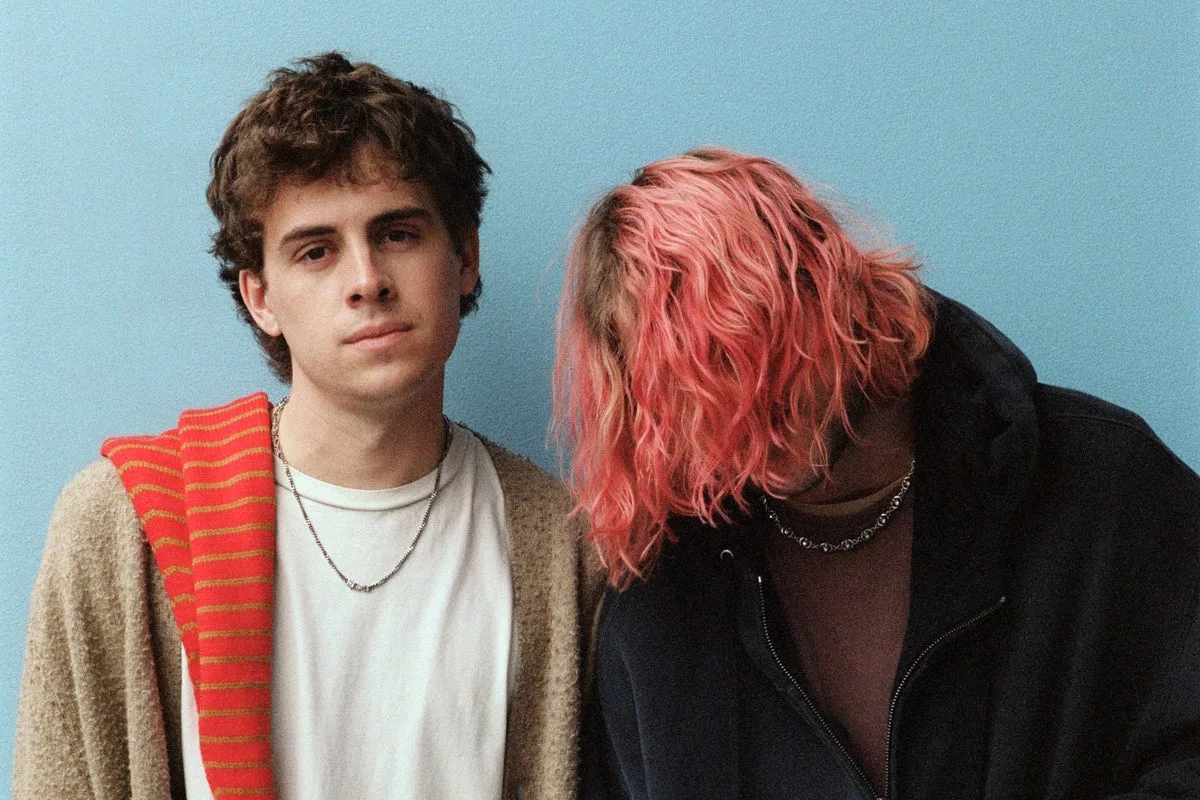
A year ago, Royel Otis were celebrated as indie-pop's most lovable boys-next-door, with their buoyant debut Pratts & Pain and viral covers of hits by Sophie Ellis-Bextor and The Cranberries. Their second album, Hickey, however, arrives amid controversy surrounding its lead single, “Moody”. The track, a slacker-strum indebted to Nirvana, features vocalist Otis Pavlovic complaining about a girlfriend who is “a bitch when she’s moody”, with lines about her “loaded” questions and “cryptically coded” accusations.
Critics have pointed to the lyrics as perpetuating old sexist stereotypes of women as irrational nags. In response, the band issued a statement in May saying the song is “written from a specific perspective, it is not intended to convey a broader view or standpoint about women in general”. Notably, “Moody” was co-written by Amy Allen, known for her work with Sabrina Carpenter and Harry Styles. A visualiser for the song, which referenced the 1997 adaptation of Nabokov’s Lolita, did little to quell the backlash.
Despite the furore, “Moody” is something of an outlier on an album that largely skews towards pop, with Eighties synths and guitar work reminiscent of The Cure. The record is packed with songs about the aftermath of love-hate romances, often casting the duo as problematic exes. Opener “I Hate This Tune” sees Pavlovic pleading with a former lover to start again, while “Good Times” borrows a beat from Hall & Oates and touches on apologies and distrust.

Other tracks continue the theme: “Who’s Your Boyfriend” demands the name of a new partner, “Car” references the album’s title with “cruisin’ through the streets all night / Still bruisin’ from your chalk skin bites”, and “She’s Got A Gun” carries a Fifties shoo-wop menace. The album closes with the quirkily titled “Jazz Burger”, on which Pavlovic is still asking questions: “What do you want me to say? What do you want me to be now?”
Listeners can relish these songs as outpourings of vulnerability, confusion and anger, ideal for dancing away the pain of messy breakups. But they are equally open to interpretation as music for the incel playlist. Hickey, indeed, is a tricky one.