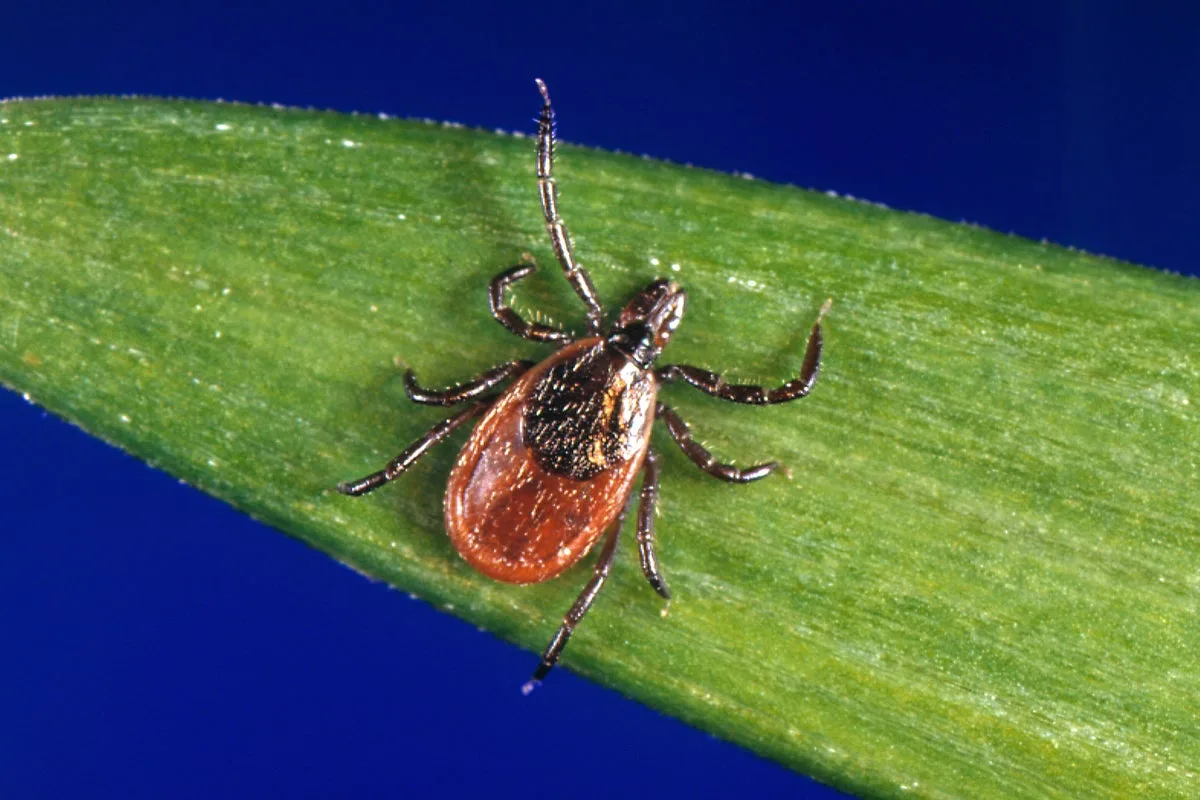
Lyme disease can cause serious harm, but so can bogus tests and treatments, experts warn. The complexity of diagnosing the tick-borne illness has given rise to an industry of unapproved tests and unproven alternative treatments, including lasers, herbal remedies and electromagnets.
“It really is a buyer-beware situation,” said Dr. Robert Smith, a Lyme specialist at MaineHealth Institute for Research. There is no one-size-fits-all approach to diagnosing Lyme. Doctors use a combination of visual clues, patient-reported symptoms and the standard medical test, which has limitations.
When patients show classic symptoms — including a bull’s eye rash, fever and fatigue — a short course of antibiotics usually resolves them. But a subset of patients experience months or years of arthritis, pain and fatigue, poorly understood symptoms that overlap with other conditions. This has left an opening for nonstandard tests and treatments, amplified by influencers and celebrities.

Patients may spend hundreds or thousands of dollars on bogus tests, not covered by insurance, followed by unapproved treatments that may cause harm. Some may not have had Lyme at all. In a recent consensus report from the National Academies of Sciences, Engineering, and Medicine, Smith and other experts called for more funding and research into chronic Lyme symptoms.
“The key thing is that these people are suffering and we need to come up with strategies to alleviate that suffering, whatever the trigger was,” Smith said. He and his colleagues warn that “profiteering entities” are pushing costly Lyme products that may not work and may cause harm.