The Resurgence of Dutch Ludiek: A Playful Pop Rebellion
In the Netherlands, a cheeky and rebellious cultural phenomenon known as 'ludiek'—meaning playfulness—is experiencing a vibrant revival through the New Dutch Naivety movement. This initiative, spearheaded by compilation albums titled 'Nieuwe Nederlandse Naiviteit', showcases a diverse array of contemporary Dutch-language pop artists who embrace lo-fi aesthetics and whimsical themes, from songs about chocolate to critiques of no-smoking policies.
Rediscovering Playfulness in Modern Music
The movement traces its roots to the 1960s protest era, where ludiek first gained prominence through anarchist groups like Provo. Today, artists such as Thor Kissing, with his track 'Amsterdam is opeens van chocolade', exemplify this revival by blending absurd narratives with social commentary. Kissing's song imagines Amsterdam's noisy centre transforming into chocolate, only to melt away upon taking a train, highlighting themes of urban life and imagination.
Compilation volumes feature an eclectic mix of genres, from glitchy electro pop to postpunk, with contributions from Flemish voice artist Lila Maria de Coninck, who praises the music's 'playfulness and imagination'. She notes that these works often challenge conventional sounds and language, creating autodidact worlds on pop's margins.

Cultural Roots and Contemporary Expressions
Historically, ludiek draws from Johan Huizinga's 1938 work 'Homo Ludens', which posits play as central to human development. In the 1960s, it manifested in provocative art, such as Wim T Schippers' public sculptures, and absurdist television shows. Unlike similar European movements like dada, Dutch ludiek tends to focus on inclusive, agreeable living rather than overt political critique.
Joost Weemhoff, the organiser behind New Dutch Naivety, describes the project as a break from 'masculine pretentiousness' in the Dutch music industry. A teacher working with teenagers, Weemhoff aims to foster autonomy and freedom through music, emphasising a 'modest and democratic' approach rooted in Dutch Protestant values.
Challenging Norms and Nostalgia
Many songs in the compilations address everyday Dutch life, from drab weather to public allotments, often reflecting a subtle nostalgia. However, Weemhoff clarifies that this isn't reactionary but rather a critique of modern homogenisation. He points to the loss of broad education in schools, replaced by grade-focused curricula, as an example of societal decline.
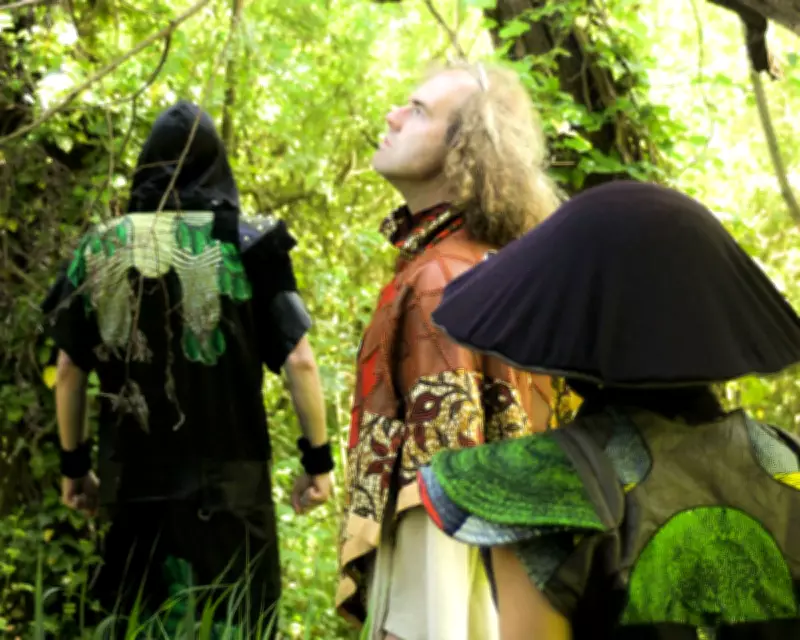
Artists like Jacco Weener, known for his 'magic robe', and Kwartet Niek Hilkmann, singing about allotment struggles, embody this spirit. Their work repurposes Dutch rebelliousness for progressive ends, echoing past provocations like Robert Jasper Grootveld's Provo actions.
Looking Ahead: The Future of Ludiek
As New Dutch Naivety Volume Two prepares for release in March, the movement continues to champion expressive individualism. With its blend of daftness and daring, ludiek offers a touchstone for questioning norms and fostering inclusivity in a rapidly changing society. This revival not only honours Dutch cultural heritage but also injects fresh energy into the global pop landscape, proving that 'uncool rules' can indeed inspire meaningful change.