Seth Meyers Takes Aim at Pete Hegseth Over Iran War Stance
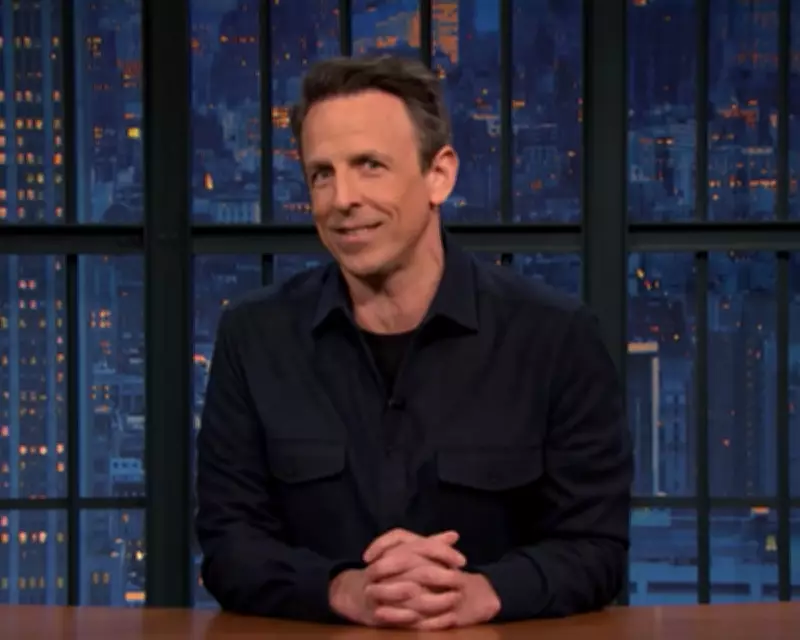
In a recent episode of his late-night show, Seth Meyers launched a scathing critique of Fox News commentator Pete Hegseth, focusing on Hegseth's public calls for military intervention in Iran. Meyers, known for his satirical and politically charged monologues, used his platform to question the rhetoric surrounding potential conflict with Iran, highlighting what he described as irresponsible commentary from media figures.
Media Responsibility Under Scrutiny
During the segment, Meyers played clips of Hegseth advocating for aggressive action against Iran, arguing that such statements could escalate tensions and influence public opinion without proper context. Meyers emphasised the role of media personalities in shaping foreign policy debates, suggesting that calls for war should be grounded in factual analysis rather than sensationalism.
He pointed out that Iran has been a contentious topic in U.S. politics, with discussions often veering into hawkish territory without considering diplomatic alternatives. Meyers' critique extended beyond Hegseth, touching on broader issues of media ethics and the impact of partisan commentary on national security discourse.

Audience Reaction and Broader Implications
The segment resonated with viewers, sparking discussions on social media about the boundaries of free speech and the responsibilities of news commentators. Some praised Meyers for challenging what they see as dangerous rhetoric, while others defended Hegseth's right to express his views, reflecting the polarised nature of contemporary media.
This incident underscores the ongoing tension between entertainment and journalism in late-night television, where hosts like Meyers blend comedy with political analysis. It also raises questions about how such platforms can influence public perception on critical issues like war and peace.
As debates over Iran policy continue, Meyers' remarks serve as a reminder of the power of media voices in framing international conflicts. The episode highlights the need for nuanced discourse in an era where soundbites often dominate headlines.